 SafeBOT

Boat Insurance and Storage: How Cover Care Can Support Insurability
Boat Insurance and Storage: How Cover Care Can Support Insurability Boat insurance, surveys, and resale conversations often come back to a practical questi

Boat Insurance and Storage: How Cover Care Can Support Insurability
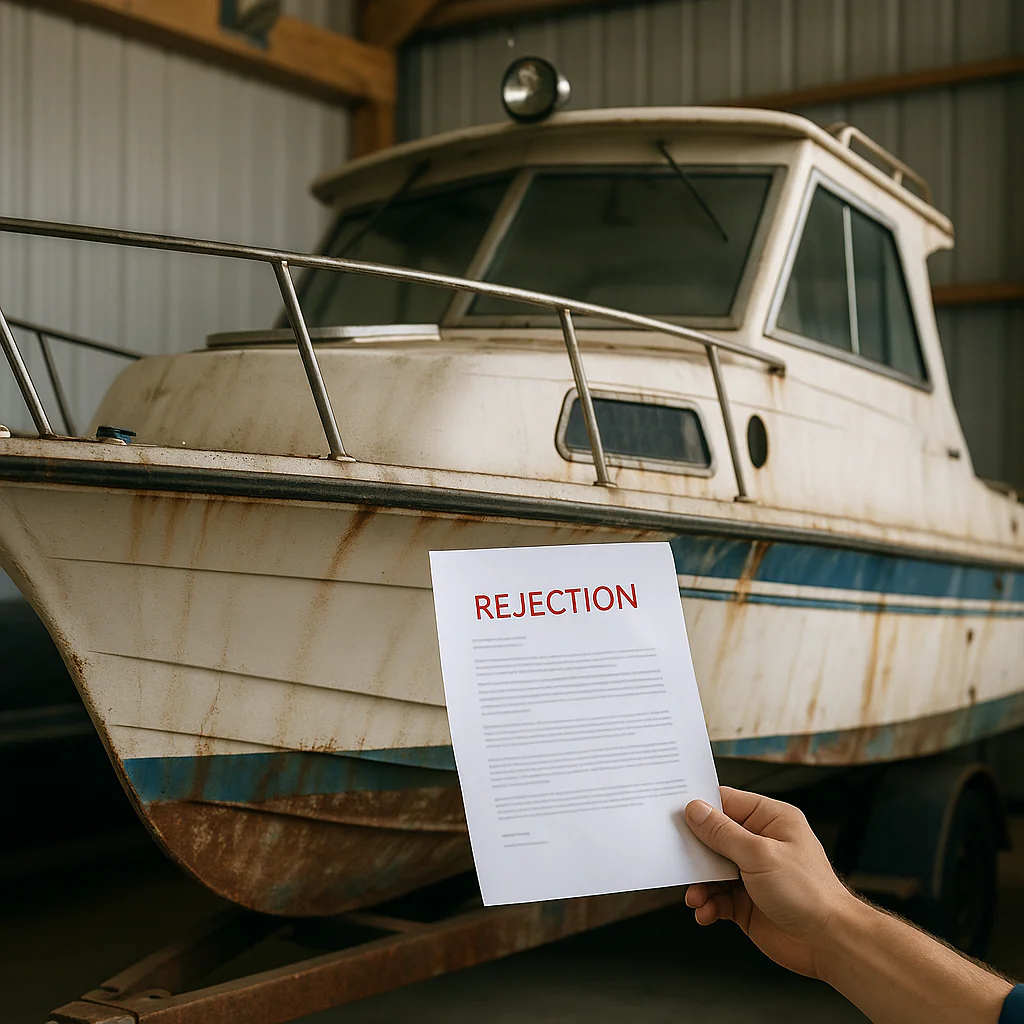
Boat insurance, surveys, and resale conversations often come back to a practical question: can you show that the boat was stored, covered, ventilated, and maintained responsibly? A cover cannot guarantee insurance approval, and every insurer uses its own underwriting rules. What it can do is support a broader care record by reducing avoidable moisture, UV exposure, debris, and visible neglect.
This guide focuses on safe, verifiable steps: storage photos, inspection notes, ventilation, cover fit, maintenance records, and questions to ask your agent or surveyor. It avoids making promises about premiums or approval because those decisions depend on the boat, location, carrier, claims history, survey findings, and policy terms.
What Storage Documentation Can Actually Show
Good documentation does not prove that a boat is perfect. It shows that the owner had a repeatable care routine and noticed problems early. For older boats, used-boat sales, renewals, or storm-prone storage locations, that paper trail can make conversations with buyers, surveyors, marinas, and agents more concrete.
- Photos of the boat before it was covered, after the cover was installed, and after major weather events.
- Receipts or notes for winterization, battery care, fuel treatment, cleaning, and mechanical service.
- Inspection notes for cover tension, pooled water, mildew odor, leaks, rodent signs, and strap wear.
- Ventilation and support details, including poles, vents, bows, or framing used to create slope.
- Repair records that show when moisture, corrosion, wiring, upholstery, or hull issues were addressed.
Storage Damage Patterns to Watch For
Storage issues often begin quietly. Moisture collects in low cover pockets, air stops moving through the cockpit, or a loose edge lets leaves and debris settle against upholstery. Over time, owners may see mildew odor, staining, light corrosion, stiff hoses, electrical oxidation, chafe marks, or rodent evidence.
A well-fitted, ventilated cover helps reduce those conditions, but it does not replace maintenance. Pair cover care with routine checks and site cleanup. The boat cover ventilation guide explains why airflow matters, and the breathable vs waterproof cover guide helps compare rain protection with moisture control.
Practical Photo Log Framework
Create a simple folder for each storage season. The goal is not to build a legal brief; it is to make your maintenance history easy to understand later. Take clear photos in daylight, label them with the date, and include enough distance that someone can see the full storage setup.
Before storage
Photograph the clean cockpit, dry compartments, battery area, bilge, upholstery, and exposed hardware. Save receipts for cleaning, winterization, and service work.
After covering
Photograph the cover from the bow, stern, both sides, and above if possible. Show the support pole or frame, strap routing, vents, trailer clearance, and any padding used around sharp hardware.
During storage
After storms or every few weeks during long storage, note whether water pooled, straps loosened, fabric shifted, or new odors appeared. If you adjust the cover, photograph the corrected setup.
Cover Fit and Ventilation Checklist
- Measure the boat before buying a cover; use the Safeboatz measuring guide if your length or beam is uncertain.
- Create slope so rain and snow do not sit in flat cockpit areas.
- Keep vents open and avoid sealing damp gear inside the boat.
- Pad windshield corners, cleats, rails, trolling motor brackets, and sharp trailer contact points.
- Recheck the cover after the first rain because straps and fabric can settle under load.
- Remove leaves, food, paper, cardboard, and soft nesting material before long storage.
Questions to Ask Before Renewal, Purchase, or Storage
Insurance requirements vary, so ask direct questions instead of relying on generic advice. If you are renewing coverage, buying a used boat, or changing storage location, ask what photos, surveys, maintenance records, or storage details the carrier wants to see. If a surveyor is involved, ask which storage-related findings commonly raise follow-up questions.
Useful questions include: does the policy have storage-location requirements, storm-plan requirements, haul-out rules, layup conditions, or exclusions for gradual deterioration? Are photos helpful during renewal? Should maintenance invoices be kept in a specific format? These answers are more reliable than broad internet claims.
Where Safeboatz Fits
Safeboatz focuses on practical cover fit, trailering stability, moisture control, and repeatable owner checklists. If your boat is in the current Storm Series size range, compare the 17–19 ft trailerable cover or the 20–22 ft trailerable cover. For a non-product checklist you can keep with your records, download the free Safeboatz Boat Protection Guide.
Seasonal Record-Keeping Template
A simple record is easier to maintain than a complex spreadsheet. Use one line per inspection: date, weather since last check, cover condition, moisture signs, pests, and action taken. If nothing changed, write that down too. “Checked after heavy rain; no pooling; tightened port-side stern strap” is more useful six months later than relying on memory.
Keep the photos and notes with service receipts, not scattered across text messages. If you later sell the boat or answer an insurance question, you can show a clear timeline of care without making unsupported claims about what the records guarantee.
Minimum useful fields
- Date and storage location.
- Cover status: dry, wet, shifted, pooled, loose, or corrected.
- Ventilation status: vents open, damp gear removed, compartments dry.
- Maintenance status: battery, bilge, fuel, winterization, cleaning, or repairs.
- Next action: inspect again, clean, dry, adjust, repair, or call a professional.
Related Storage Guides and Trusted Resources
Insurance and resale conversations are easier when storage care is documented. For practical prevention steps, use the rodent damage storage guide, the ventilation guide, and the winter cover checklist.
For broader boating safety and ownership resources, consult the U.S. Coast Guard boating safety resources and the NOAA marine weather forecasts.
Related Storage and Inspection Resources
For fewer preventable storage problems, cross-check the tight-cover rodent prevention guide, the winter cover damage inspection guide, and the snow-load boat cover guide.
For general owner-maintenance context, use the BoatUS expert boating advice archive.
FAQ
Can a boat cover guarantee insurance approval?
No. A cover is one part of care and storage. Approval depends on the insurer, boat condition, survey results, location, policy rules, and other underwriting factors.
What photos should I keep?
Keep photos of the clean boat, covered setup, support system, vents, straps, storage location, and any corrections after storms or inspections.
Does waterproof always mean better for storage?
No. Rain resistance matters, but trapped moisture can create its own problems. Look for a balance of water shedding, ventilation, support, and inspection access.
How often should I inspect a stored boat?
For long storage, inspect after severe weather and periodically during the season. Look for pooling, shifted fabric, loose straps, odors, mildew, pests, and chafe points.
Boating Enthusiasts — Join the Crew!
Free Boat Protection Guide Download Yours Now
Get your free copy of The Complete Boat Protection Guide — expert tips, real-world strategies, and exclusive insights from the Safeboatz team.