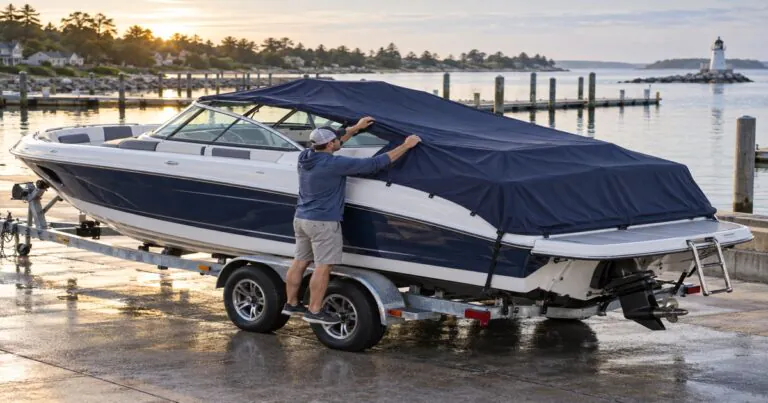
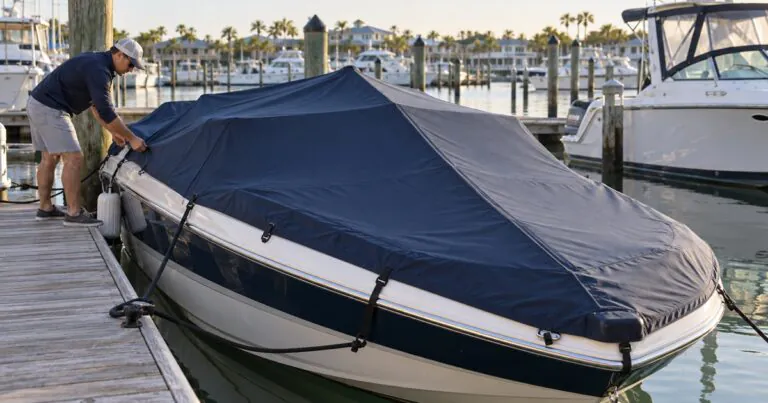
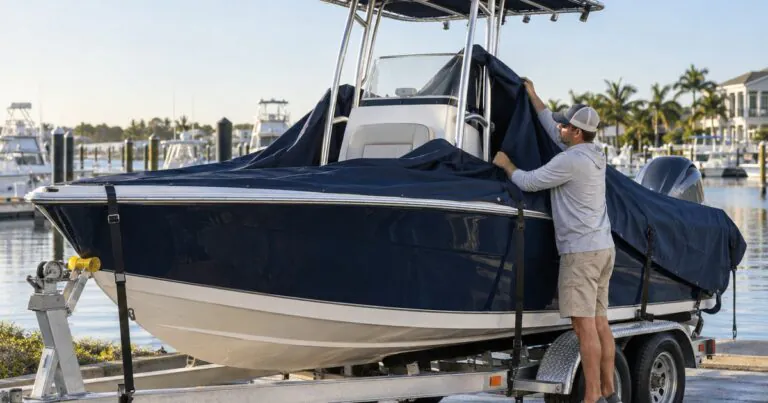
 SafeBOT

Boat Cover Vents: How to Control Moisture Under a Cover
Boat cover vents help trapped warm air and moisture escape. Use them with a tight cover, support pole, clean fabric, and periodic checks to reduce condensation, mildew risk, and fabric stress.

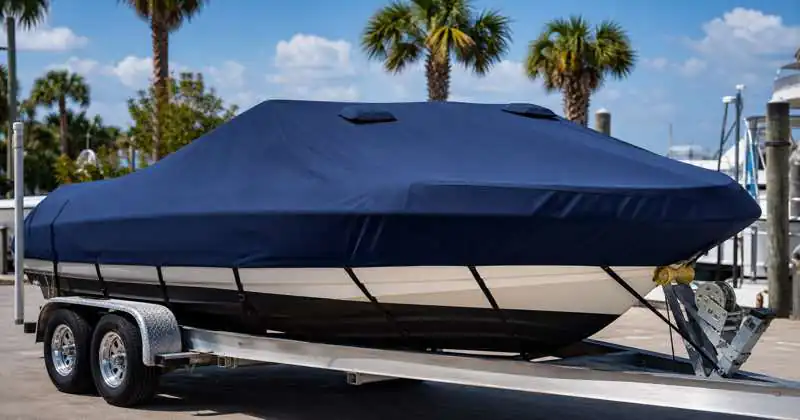
A tight boat cover keeps rain, sun, leaves, and road grime off the boat. But if the cover traps damp air for weeks at a time, the space underneath can start to feel like a sealed locker. That is where boat cover vents help. They give warm, humid air a controlled path out of the cover instead of letting moisture sit against upholstery, canvas, hardware, and storage compartments.
Vents are not a cure-all. They work best as part of a simple moisture-control system: a properly fitted cover, enough pitch to shed water, support where the cover wants to sag, clean and dry surfaces before storage, and quick checks after heavy rain or trailering. Get those basics right and vents can make the covered boat breathe instead of sweat.
Quick answer: do boat cover vents help?
Yes, boat cover vents can help reduce trapped humidity under a cover, especially during warm weather, damp storage, and seasonal layups. They are most useful when the cover is already tight enough to avoid water pooling and has enough support to keep the vent area raised. If the cover sags, leaks, or sits directly on damp gear, vents alone will not solve the moisture problem.
Think of a vent as the exhaust point in a larger system. Moist air needs a way out, but it also needs space to move. A cover pressed flat against seats or carpet will still hold damp pockets even if a vent is installed nearby.
Why moisture builds up under a covered boat
Moisture usually comes from three places: rain or wash water left on the boat, damp air trapped under the cover, and condensation when the temperature swings between warm days and cool nights. A boat that looks dry at sunset can still collect moisture inside the cover by morning.
The U.S. EPA’s mold guidance for buildings is not written for boat covers, but the same basic principle applies: moisture problems get worse when ventilation is poor and damp air cannot escape. On a boat, that can show up as a musty smell, mildew spots on vinyl, damp carpet, cloudy compartments, or a cover that feels wet on the underside after a temperature swing. Source: EPA guidance on moisture and ventilation.
What boat cover vents actually do
A boat cover vent creates a raised exit point for air under the cover. Many vent caps are designed to shed rain while allowing air movement. Some are paired with a support pole, which gives the cover pitch and holds the vent high enough to work.
- They release warm air. Heat under a dark cover can build quickly in sun. A vent helps that air move out.
- They reduce stagnant pockets. Better airflow makes it harder for damp air to sit in one place.
- They support cover shape. When used with a pole, the vent point can help create a roof-like peak.
- They can reduce underside condensation. They will not stop every temperature swing, but they help the cover breathe.
The important detail is height. A vent buried in a sagging low spot cannot move air well and may end up near the very place where water collects. The highest supported section of the cover is usually the best place for moisture to escape.
Vents work best with a tight, sloped cover
Before adding or relying on vents, look at the shape of the covered boat. Water should run off instead of sitting in puddles. Straps should hold the cover steady without pulling it into sharp stress points. The cover should follow the boat closely, with enough pitch over the cockpit or bow to keep air space open.
If pooling is your main problem, start with our boat cover support pole guide. If the cover shifts or balloons on the road, read the trailering flapping guide before you assume the vent is the issue. Moisture control and fabric control are connected. A loose cover can flap, stretch, leak, and trap damp air in the same season.
Where to place boat cover vents
The best vent location depends on the boat shape and cover design. In general, a vent should sit near a supported high point, not in a low valley. For many trailerable boats, that means the cockpit peak, center section, or another area where a pole or frame lifts the fabric.
- Find the high point. Install or position the vent where air naturally rises.
- Keep it away from pooling zones. Do not place a vent where rainwater already sits.
- Protect traffic points. Avoid spots that rub against a tower, windshield edge, cleat, or trailer guide.
- Respect the cover design. If the cover already has vented sections, use them as designed instead of cutting new holes.
For a new cover, fit comes first. A cover that is too loose will make vent placement feel like guesswork. Start with length, beam, and cockpit shape, then choose the cover architecture. Our boat cover measuring guide walks through the fit checks before you buy.
Moisture-control checklist before storage
Vents help most when the boat is stored clean and dry. Before you cover the boat for more than a few days, use this quick routine.
- Remove wet towels, life jackets, ropes, bait containers, and damp storage bags.
- Open compartments long enough to let trapped moisture escape before covering.
- Wipe standing water from seats, deck surfaces, and the inside of lockers.
- Let the boat air out after washing, rain, or a humid day on the water.
- Set the support pole or frame so the cover creates pitch, not a flat tarp shape.
- Check that vents are not blocked by fabric folds, cushions, or stored gear.
- After a major rain, walk around the boat and clear any puddles before they stretch the fabric.
For seasonal layup, add a few periodic checks. One good inspection after a storm can catch a loose strap, a shifted pole, or a low spot before it becomes a bigger problem.
Do vents make a cover waterproof?
No. Ventilation and waterproofing are separate jobs. A vent lets air move; the fabric, seams, fit, and pitch manage water. A good marine cover should shed rain while still allowing some moisture to escape. If water is entering around a seam, pooled area, or worn fabric, adding a vent will not fix the leak.
Fabric weight and construction still matter. If you are comparing cover fabrics, our 900D vs 1200D boat cover guide explains where heavier material can help and where fit matters more than a number on the label. For a broader view of water resistance and care, see the waterproof boat cover guide.
When vents are not enough
If the boat smells musty every time you uncover it, vents may be only one part of the fix. Look for the root cause. The cover may be loose, the boat may be stored wet, the fabric may be leaking, or the cockpit may have deep enclosed areas with no air path. In that case, the answer may be better support, a better fit, more drying time, or a cover built for trailering and storage rather than a light dust cover.
Safeboatz Storm Series covers are built around a secure trailerable fit, with a ratchet-secured design for the current 17-19 ft and 20-22 ft cover paths. If you are choosing a cover for highway use and outdoor storage, start with the current Storm Series size that matches your boat: 17-19 ft trailerable boat cover or 20-22 ft trailerable boat cover.
A simple setup for covered storage
For most trailerable boats, a practical storage setup looks like this: dry the boat, remove wet gear, install the support pole, pull the cover evenly over the hull, tighten the straps and ratchet system, confirm the vent is raised, then check the cover after the first rain. That first rain check is useful. It shows you where water wants to collect and whether the cover needs a small adjustment.
If your boat is stored outdoors in a storm-prone area, keep an eye on the forecast too. The National Weather Service has practical thunderstorm safety information at weather.gov/safety/thunderstorm. A cover can protect the boat from everyday exposure, but it is not a replacement for safe storm preparation.
FAQ
How many vents does a boat cover need?
Many small and mid-size trailerable boats use one or two vent points, depending on cover shape and support. The goal is not to add as many vents as possible. The goal is to place ventilation near supported high points where warm, damp air can escape.
Can boat cover vents stop mildew?
Vents can reduce the conditions that encourage mildew, but they cannot guarantee a mildew-free boat. You still need to store the boat dry, remove damp gear, keep the cover pitched, and clean the cover and upholstery when needed.
Should I leave compartments open under the cover?
For short drying periods, opening compartments before covering can help trapped moisture escape. For storage, avoid leaving anything open in a way that distorts the cover or creates pressure points. Let compartments air out first, then cover the boat with the fabric properly supported.
Do I need vents if my cover is breathable?
A breathable fabric can help, but venting still matters when warm, damp air collects under the cover. Fabric, vents, support, and fit all work together. If the cover lies flat on the boat, even breathable material can trap damp pockets.
Can I tow with a vented boat cover?
Only tow with a cover that is designed and secured for trailering. A vent does not make a storage cover road-ready. Before towing, check the straps, ratchet tension, windshield area, and any vent cap or pole system so nothing can lift, flap, or rub at highway speed.
Bottom line
Boat cover vents are worth paying attention to if your boat sits covered for days or weeks at a time. They help air move, reduce stagnant damp pockets, and work especially well with a support pole or raised cover structure. But vents are only part of the system. A dry boat, a tight fit, good pitch, and regular checks do more for moisture control than any single accessory.
If you are upgrading your cover for outdoor storage or trailering, start with the fit and support. Then use ventilation as the finishing detail that helps the cover breathe.
Boating Enthusiasts — Join the Crew!
Free Boat Protection Guide Download Yours Now
Get your free copy of The Complete Boat Protection Guide — expert tips, real-world strategies, and exclusive insights from the Safeboatz team.