 SafeBOT

Waterproof Boat Covers: Water Resistance, Fit & Ventilation Guide
A practical guide to waterproof boat covers, water-resistant fabrics, fit, ventilation, support, storage mistakes, trailering use, and maintenance.

What “Waterproof Boat Cover” Really Means
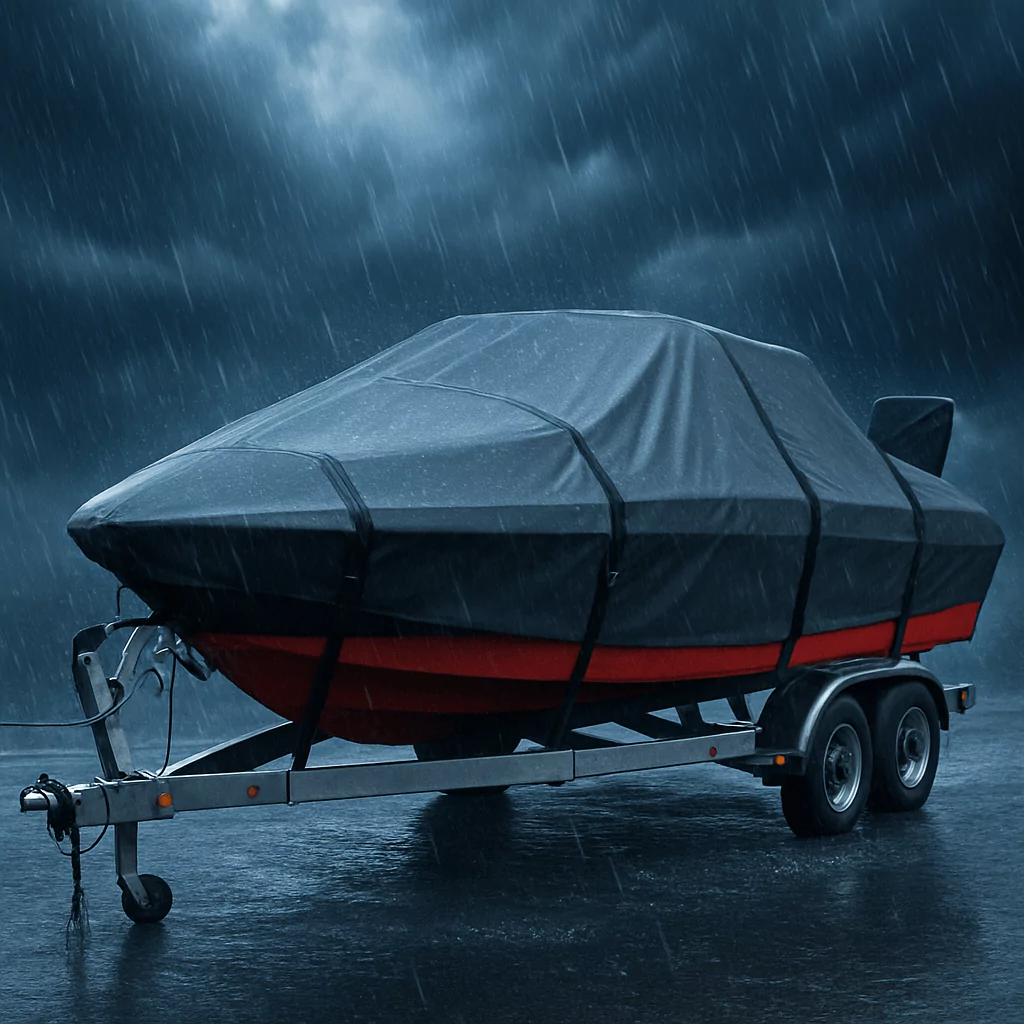
Boat owners often search for waterproof boat covers because they want a simple promise: keep rain off the boat. In practice, cover performance depends on more than one word. Fabric, coating, seams, fit, slope, ventilation, and storage habits all determine whether the boat stays protected during real weather.
A good cover should shed rain and reduce exposure to UV, dirt, leaves, and bird droppings. It should also avoid trapping damp air for weeks. That is why the best buying decision is not “waterproof at any cost,” but “water-resistant enough for my storage conditions, fitted well enough to shed water, and ventilated enough to reduce moisture buildup.”
Waterproof vs. Water-Resistant vs. Breathable
Waterproof language
“Waterproof” is often used in marketing, but seams, vents, strap openings, and pressure points can still matter. A cover that sheds rain in normal conditions can still have problems if water pools for days or if wind drives rain into a low area.
Water-resistant marine fabric
Many marine covers use coated or treated fabrics that resist water while remaining usable for handling, folding, and storage. This can be a practical balance for trailerable and seasonal covers.
Breathability and ventilation
Breathability helps manage trapped moisture. It does not replace water resistance, but it matters for boats stored outside or covered for long periods. For the full comparison, see breathable vs waterproof boat covers.
Why Fit Matters as Much as Fabric
A premium fabric can fail to protect if the cover fits poorly. Loose areas can flap, collect water, and expose corners. Over-tight areas can stress seams or pull against hardware. The ideal fit creates slope, holds position, and allows the cover to work with its strap system.
- Measure centerline length from bow to stern.
- Measure beam width at the widest point.
- Account for consoles, rails, trolling motors, towers, or raised accessories.
- Use support poles where the cover would otherwise sag.
Before buying, confirm measurements with the boat cover measuring guide.
Water Pooling Is the Enemy
Most cover problems get worse when water sits in one place. Pooling adds weight, pushes fabric against seats or carpet, and can stress seams. It can also block airflow under the cover, making condensation and mildew risk harder to manage.
Use poles, straps, and correct tension to create runoff. After a heavy rain, check the boat before the problem becomes a habit. If winter storage includes snow, pair this guide with the snow-load boat cover guide.
Moisture Control Under a Waterproof Cover
Keeping rain out is only part of the job. Moisture can also come from wet carpet, damp gear, bilge areas, condensation, or a boat covered too soon after use. A cover that blocks rain but traps damp air can still leave the cockpit musty.
- Remove wet towels, ropes, and life jackets before storage.
- Open compartments to dry before final covering.
- Clean leaves and food residue that can feed mildew.
- Keep vents clear of folds and stored items.
- Inspect after major storms or temperature swings.
Read the ventilated boat covers guide if mold, odor, or condensation is already showing up.
Choosing a Waterproof Boat Cover by Use Case
Outdoor driveway or marina storage
Prioritize water shedding, UV resistance, fit, and easy installation. If the cover is frustrating to install, it is more likely to be used incorrectly.
Winter storage
Prioritize slope, support, inspection, and moisture management. A winter setup is about the system, not just fabric. See the winter boat cover guide for a seasonal checklist.
Trailering
Only use a cover for towing if it is designed for trailering. Road wind can punish loose fabric and weak strap layouts. If towing matters, start with the trailerable boat cover guide.
Buying Checklist
- Correct boat length and beam range.
- Fabric with water-resistant treatment suitable for marine use.
- Secure strap system with reinforced stress points.
- Enough support to create slope and prevent pooling.
- Ventilation plan for long storage.
- Use-case match: storage, winter, marina, or trailering.
- Care instructions for cleaning and drying the cover.
Maintenance Tips for Water-Resistant Covers
Clean the cover with mild soap and water according to the manufacturer’s instructions. Avoid harsh chemicals unless the cover maker specifically allows them. Let the cover dry fully before folding it away, and inspect seams, straps, and reinforced areas at least once per season.
If water stops beading or the cover begins absorbing moisture differently, follow the manufacturer’s care guidance before applying any aftermarket treatment. The wrong product can reduce breathability or affect the fabric finish.
FAQ: Waterproof Boat Covers
Can a waterproof cover stop condensation?
No cover can remove all condensation risk. Dry storage habits, ventilation, and periodic checks are still important.
Is a tarp good enough for a boat?
A tarp may block rain temporarily, but it usually fits poorly, traps moisture, and can abrade surfaces. A boat cover is built around shape, straps, and marine use.
Can I tow with a waterproof boat cover?
Only if the cover is designed and fitted for trailering. Storage covers should not be assumed safe for road use.
Final Take
The best waterproof boat cover is the one that sheds water, fits the boat, avoids pooling, manages airflow, and matches your storage or trailering routine. Focus on the full system rather than a single marketing claim.
Use the free Safeboatz Boat Protection Guide to check your storage setup. For active Safeboatz Storm Series ranges, compare the 17–19 ft trailerable cover and 20–22 ft trailerable cover.
Where Safeboatz Storm Series Fits
Safeboatz Storm Series covers are positioned for boat owners who want a practical water-shedding, trailerable cover in the active 17–19 ft and 20–22 ft ranges. They are not a substitute for a measured fit check, and they should not be treated as a promise that moisture can never appear under a cover.
Use the product pages after you know your boat dimensions and use case. If you need long outdoor storage, pair the cover with support, ventilation, and inspection. If you need towing, confirm the cover is intended for trailering and secure every strap before leaving the driveway.
Simple Rain-Readiness Test
- Install the cover on a dry day and check that the bow, cockpit, and stern all create runoff.
- Spray or observe light rain and look for low pockets before a major storm arrives.
- Check vents, seams, and strap points after the first weather event.
- Dry the interior before long storage instead of trapping damp gear underneath.
- Re-check the setup after towing or strong wind because straps can settle.
Related waterproofing and storage resources
Water resistance depends on fabric, seams, pitch, ventilation, and storage habits. Continue with Safeboatz guides to heavy-duty cover fabric, 900D marine-grade polyester, cover ventilation, and snow-load support.
For neutral weather and maintenance context, see NOAA/National Weather Service marine weather resources and the BoatUS expert advice archive.
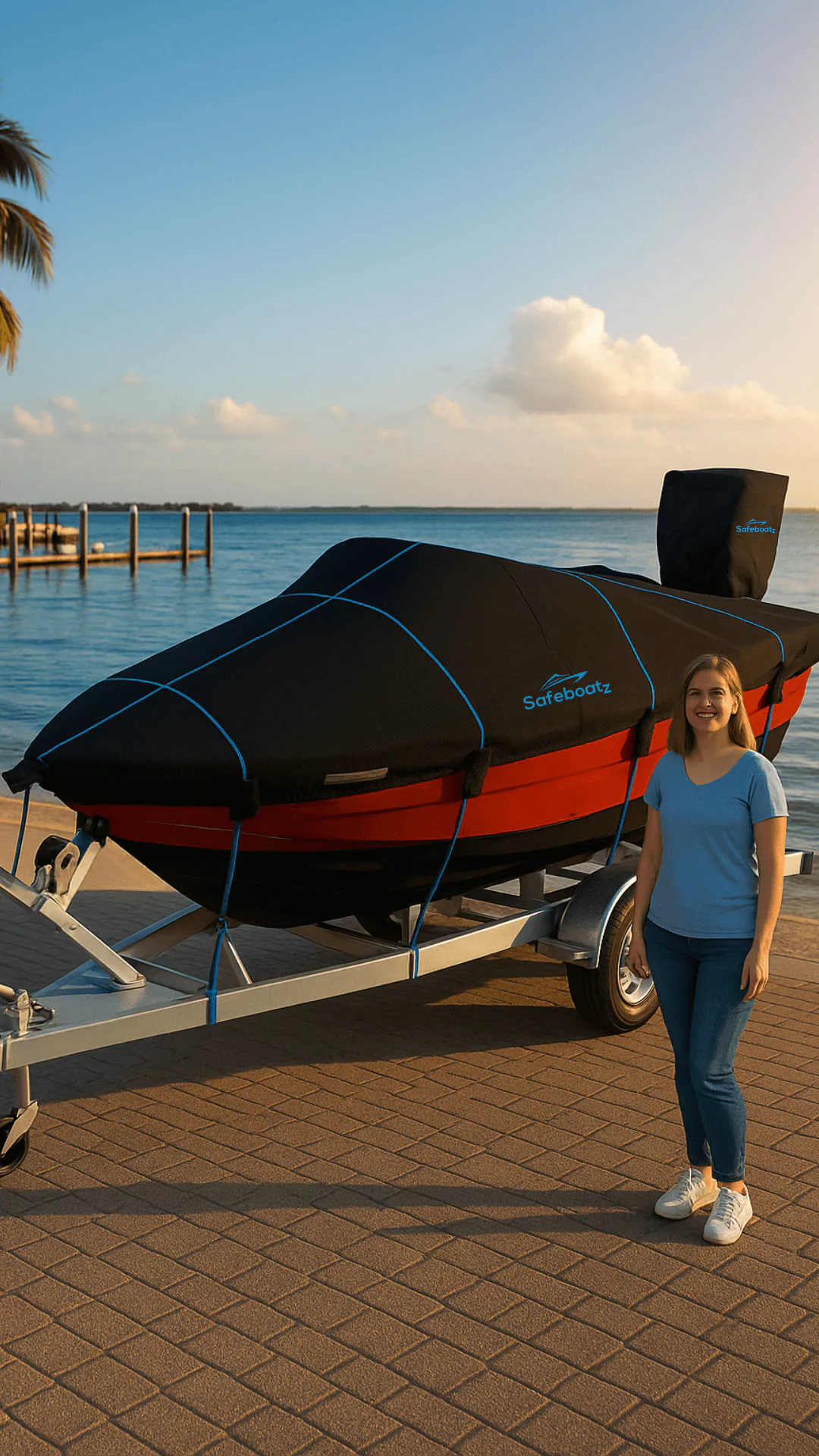
Trailerable Boat Cover 17-19ft
Fits 17–19ft boats – 102” beam. Heavy-duty 900D fabric, waterproof & UV-resistant. Reinforced for trailering. Built to protect, wherever you go.
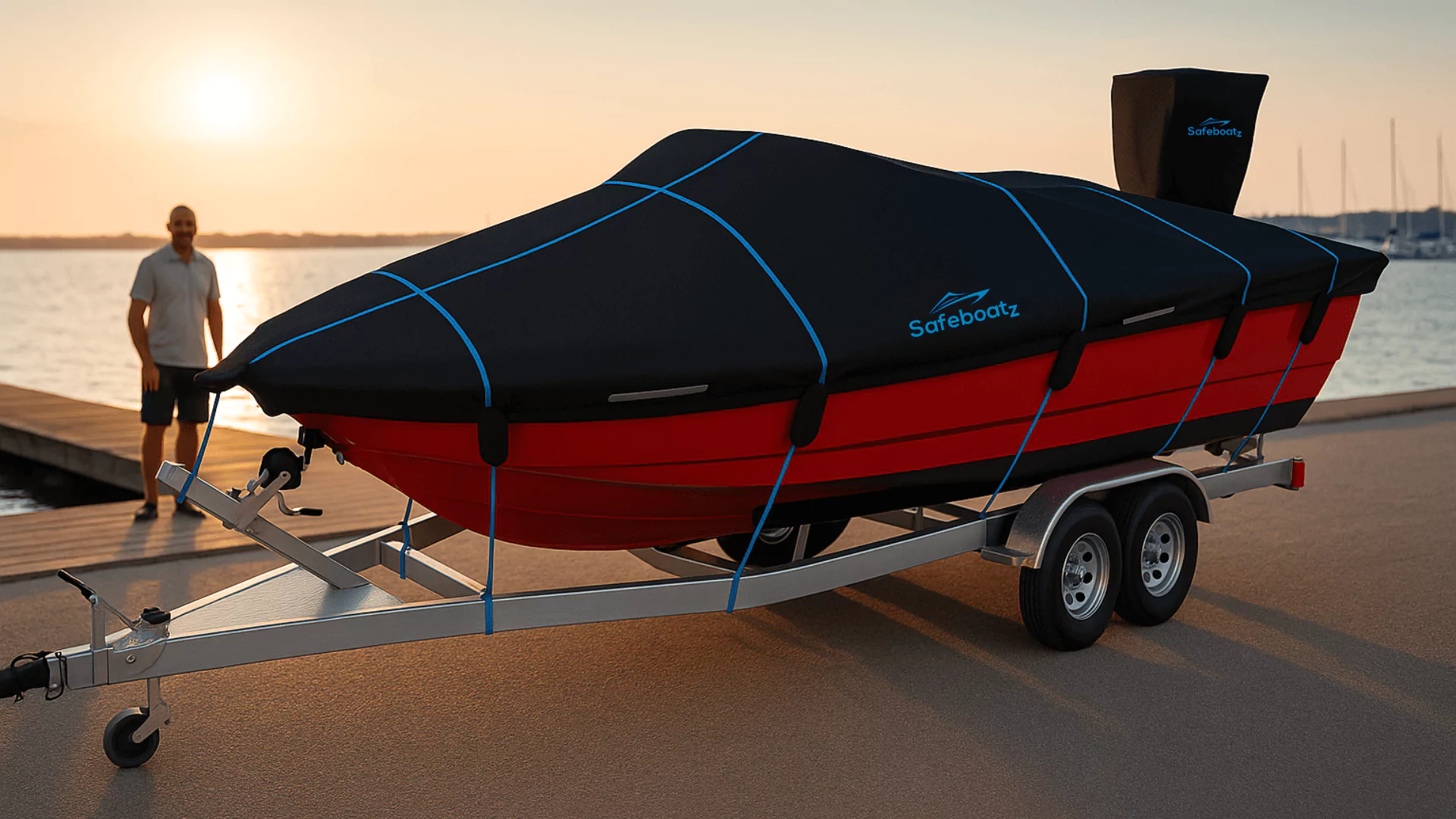
Trailerable Boat Cover 20-22ft
Fits 20–22ft boats – 106” beam. Heavy-duty 900D marine fabric, waterproof & UV-resistant. Secure fit for trailering and winter storage.