 SafeBOT

Tight Boat Covers and Rodent Prevention During Storage
Complete guide to how tight boat cover fit can reduce rodent entry points during storage, plus cleaning, gap control, ventilation, inspection, traps, and seasonal prevention habits.

Can a Tight Boat Cover Help With Rodent Prevention?
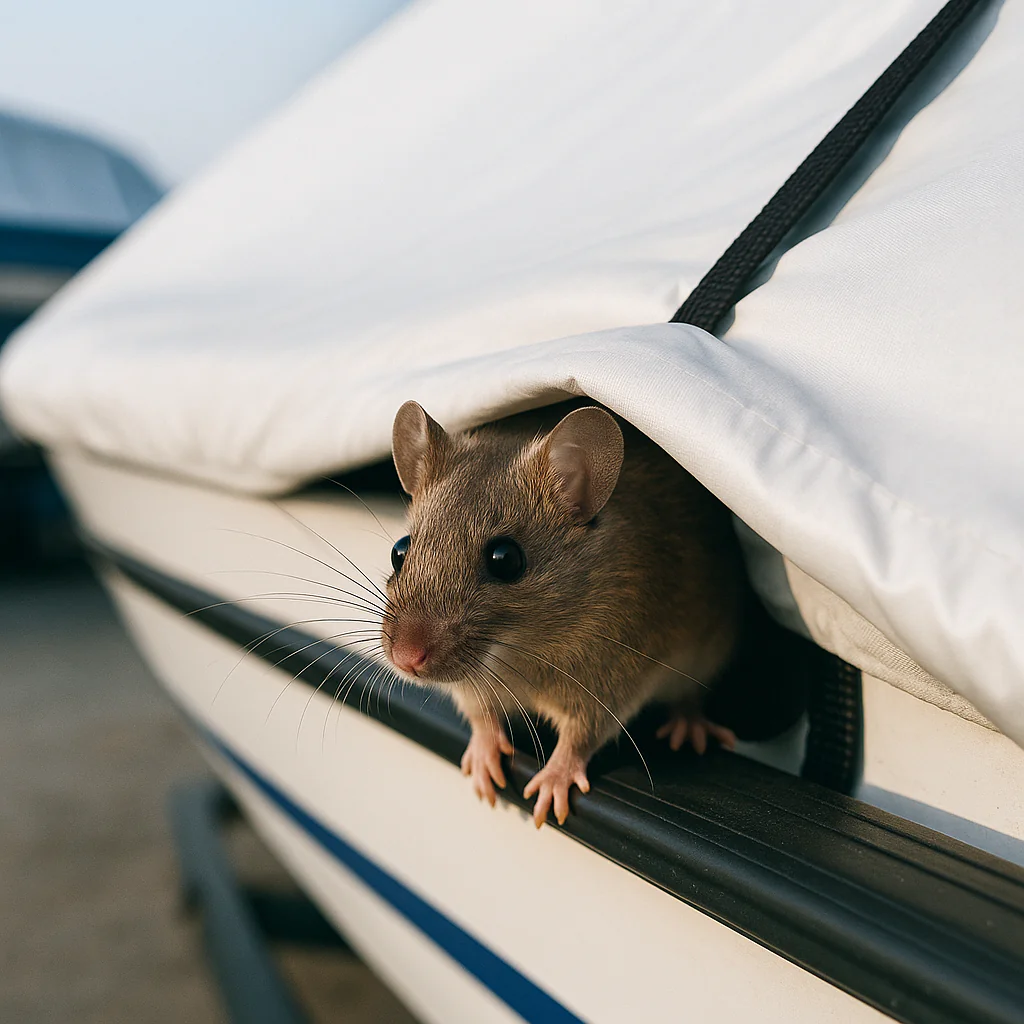
A tight boat cover cannot guarantee that rodents will never enter a stored boat. Mice and other pests can find tiny openings, climb trailers, and enter through gaps that have nothing to do with the cover. But cover fit still matters. A loose cover can create sheltered folds, easy entry points, nesting pockets, and hidden spaces where damage is harder to notice.
The right goal is not to “seal” the boat completely. The goal is to reduce easy access, remove attractants, keep the cover stable, and make inspections simple. Rodent prevention works best when cover fit is combined with cleaning, gap control, storage discipline, and regular checks.
Why Loose Covers Create Problems
Loose fabric can hang below the rub rail, flap in wind, and create folds around the stern, cockpit, or trailer frame. Those folds can trap leaves, food residue, and moisture. They can also hide small gaps that make the boat easier to enter.
- Loose corners can become sheltered entry points.
- Fabric touching the ground or trailer can create a climbing path.
- Deep folds can hold nesting material.
- Pooled water and debris can make inspections harder.
- Hidden gaps around the stern and motor area can go unnoticed.
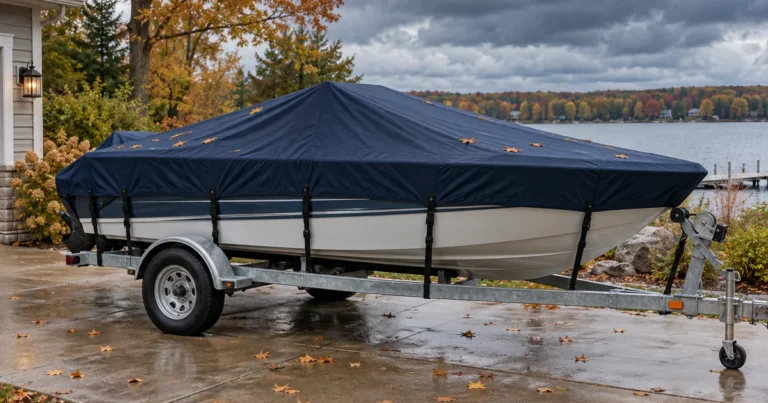
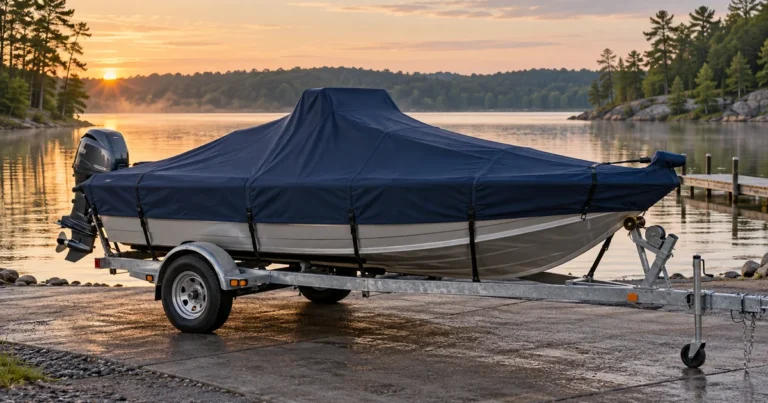
A cover that fits the measured boat and tensions evenly leaves fewer soft pockets and makes it easier to see what is happening.
Cover Fit Features That Help
- Correct length and beam: the cover should match the actual boat, not just the model name.
- Even tension: straps should pull the cover consistently instead of leaving one side loose.
- Clear edge control: fabric should not drag on the ground or create hanging folds.
- Support poles: slope helps reduce pooling and debris accumulation.
- Ventilation: airflow helps reduce damp conditions that can make storage areas worse.
If you are unsure about sizing, start with the Safeboatz measuring guide. Fit problems often begin with length-only buying decisions.
Clean the Boat Before Storage
Rodent prevention starts before the cover goes on. Remove food, bait, trash, wrappers, towels, life jackets, paper products, and anything with scent. Vacuum storage compartments, clean cup holders, and remove organic debris like leaves or grass. Even small crumbs can matter during long storage.
Pay special attention to compartments, under-seat storage, bilge areas, and the cockpit floor. If the boat has been used for fishing, clean bait residue and fish scent thoroughly. A cover can protect from weather, but it cannot compensate for a dirty boat.
Control Access Points Around the Boat
Rodents may enter from the trailer, ground, dock, or nearby storage items. Keep the area around the boat clean. Avoid stacking boxes, wood, cushions, or gear against the hull or trailer. Trim vegetation near outdoor storage areas where practical.
- Keep cover edges above the ground where possible.
- Do not leave ropes, straps, or loose material hanging as easy paths.
- Inspect around the motor, transom, and stern corners.
- Store cushions and soft goods indoors if you can.
- Use pest-control products only according to label directions and local rules.
Ventilation Still Matters
Some owners try to make the boat airtight to block pests. That can create moisture problems. A better approach is controlled fit plus airflow. A dry, clean, ventilated boat is less inviting and easier to inspect than a sealed damp space.
For moisture strategy, see the boat cover ventilation guide.
Inspection Schedule During Storage
Check the boat shortly after storage begins, then after storms, wind events, or major temperature swings. Look for droppings, shredded material, chewing marks, loose cover edges, pooled water, and new gaps. Early signs are much easier to handle than spring damage.
Take photos of the cover after installation. If the cover shifts later, you can compare against the original setup and see what changed.
FAQ: Boat Covers and Rodent Prevention
Will a tight cover stop mice completely?
No. It can reduce easy access and hiding spots, but cleaning, storage discipline, inspection, and pest control are also needed.
Should I seal every vent?
No. Blocking ventilation can create moisture problems. Keep airflow while reducing loose fabric and easy entry points.
What is the most important first step?
Clean the boat thoroughly. Food residue, soft goods, and nesting material attract problems before the cover even matters.
Final Take
A tight boat cover is one part of rodent prevention. It helps by reducing loose folds, hidden pockets, and easy access points. But the full system is cleaning, fit, ventilation, storage-area control, and inspection. Do all of those together and you reduce the chance of discovering avoidable damage in spring.
Helpful next step: download the free Safeboatz Boat Protection Guide and review your storage checklist before the boat sits for the season.
Related storage and pest-prevention resources
Rodent prevention starts with fit, storage location, and regular checks. Use the Safeboatz boat measuring guide, the elastic hem and fit guide, and the winter storage guide together. If your boat sits outdoors, the free Boat Protection Guide gives you a quick inspection checklist.
For non-product context, see the CDC rodent resources and EPA mold resources.
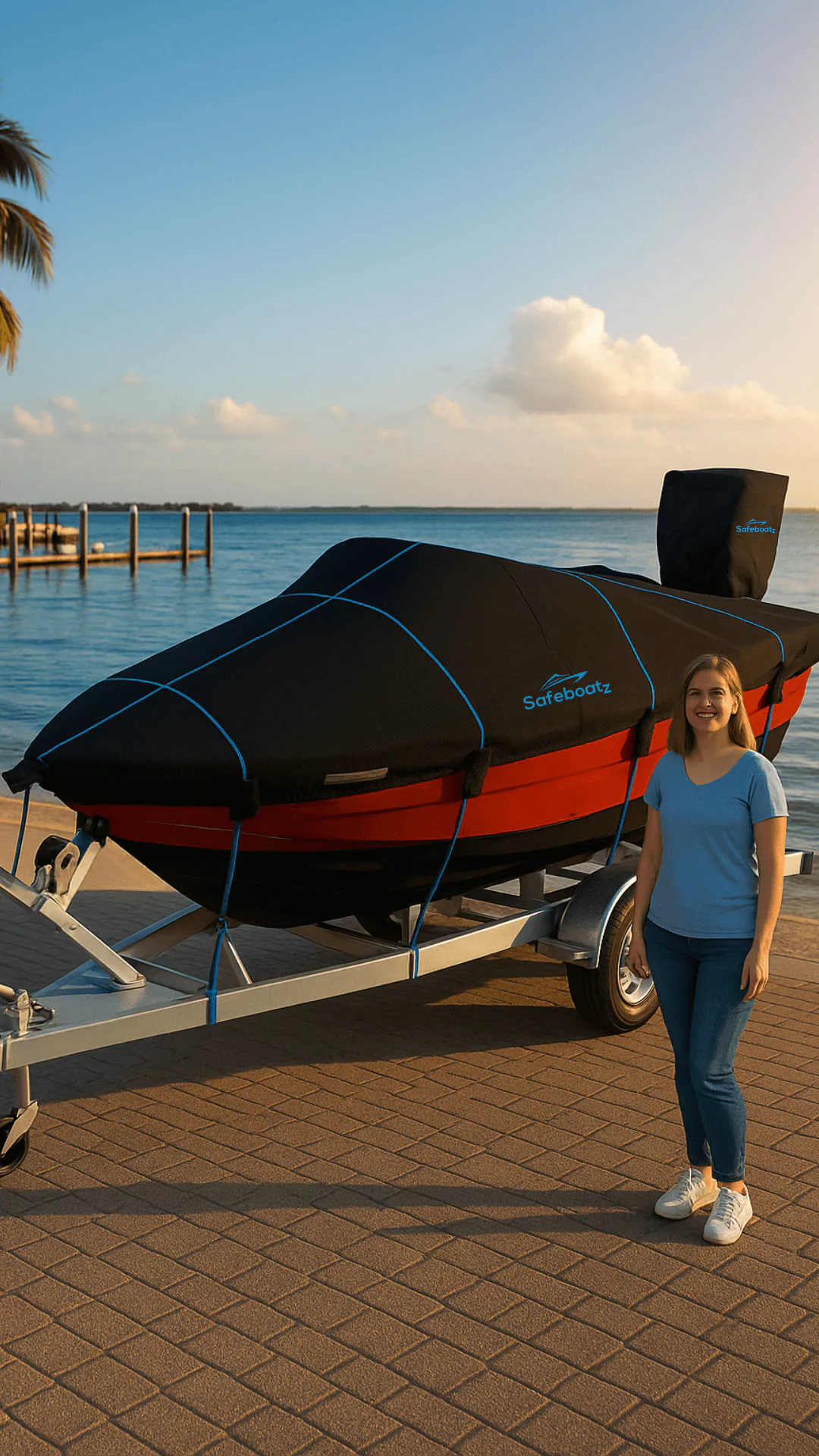
Trailerable Boat Cover 17-19ft
Fits 17–19ft boats – 102” beam. Heavy-duty 900D fabric, waterproof & UV-resistant. Reinforced for trailering. Built to protect, wherever you go.
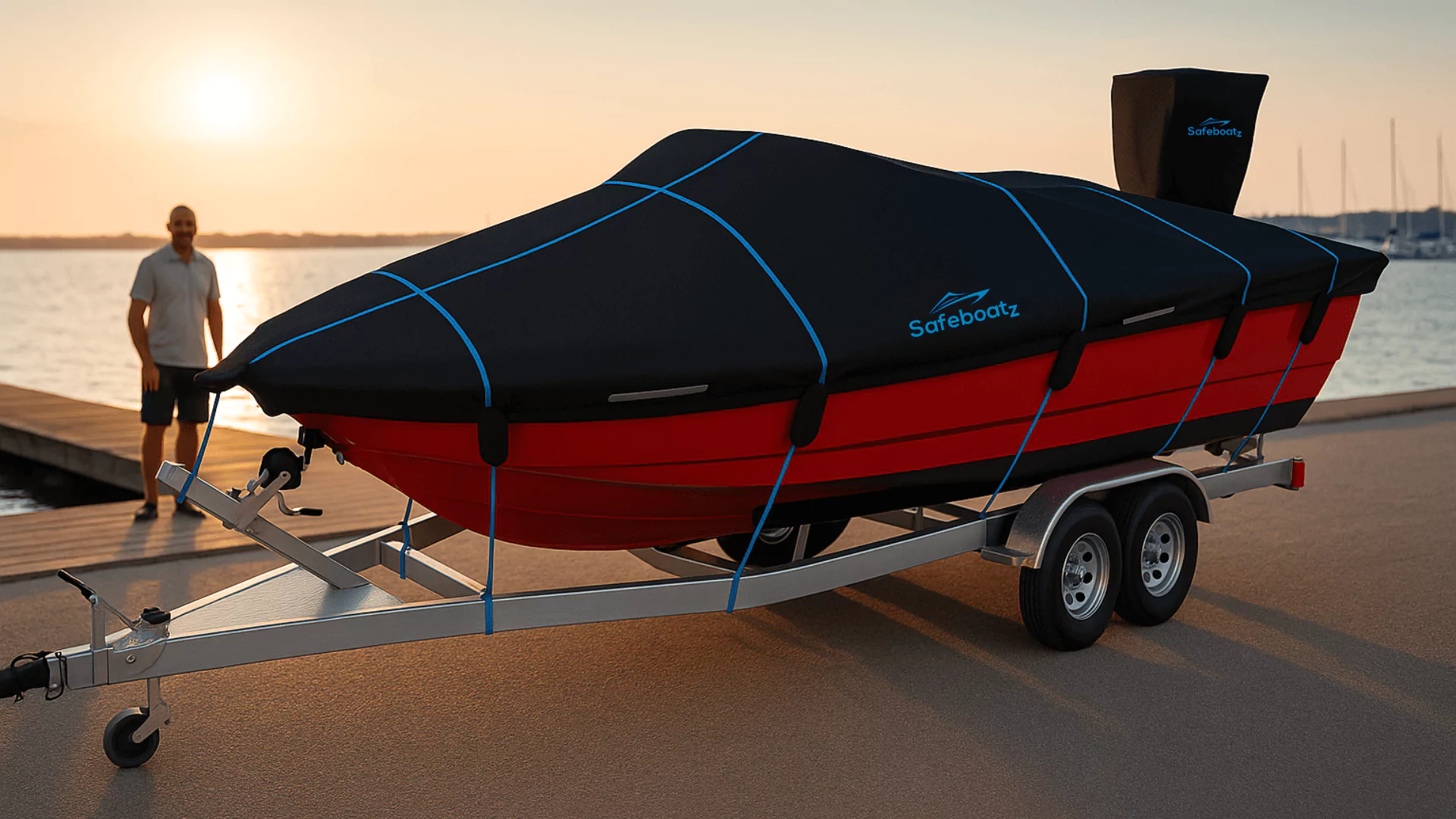
Trailerable Boat Cover 20-22ft
Fits 20–22ft boats – 106” beam. Heavy-duty 900D marine fabric, waterproof & UV-resistant. Secure fit for trailering and winter storage.