 SafeBOT

Spring Boat Launch Damage: Cover Inspection Checklist
Complete spring boat launch damage checklist: inspect the cover, moisture, mildew, strap movement, pooling, fabric wear, hardware contact points, and next-season storage fixes.

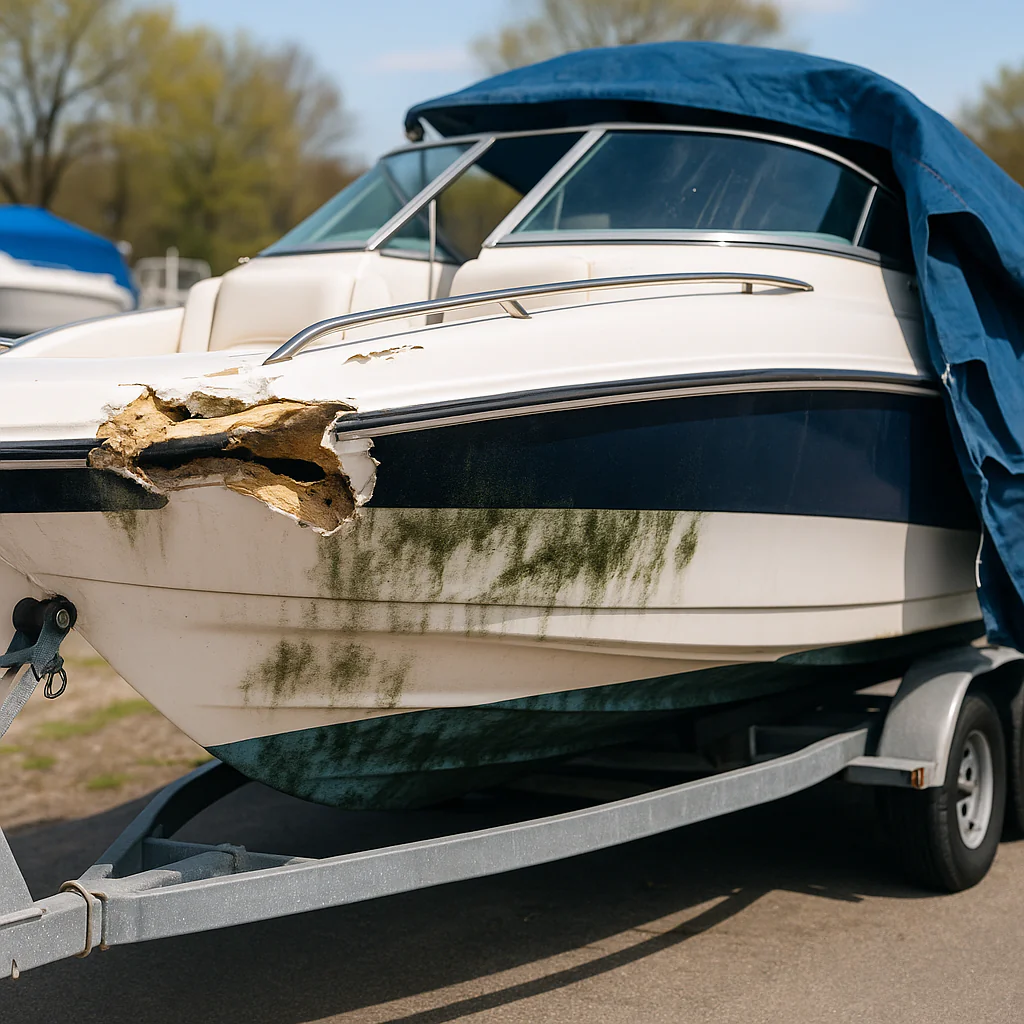
Spring Boat Launch Damage: What to Check Before the First Trip
Spring launch problems often start during winter storage. A cover that sagged, trapped moisture, rubbed against hardware, or allowed debris inside can leave clues long before the boat reaches the ramp. The goal of a spring inspection is to find those issues early, while there is still time to clean, dry, adjust, or repair.
This checklist focuses on the cover-related problems boat owners commonly notice during spring prep: water pooling, mildew, corrosion, fabric wear, strap movement, debris, and storage habits that need to change before next season.
Start With the Cover Before Removing It
Before pulling the cover off, walk around the boat and inspect the outside. Look for low pockets, stretched fabric, loose straps, torn seams, blocked vents, and areas where the cover shifted. Take photos if you see damage. Those photos help you understand what failed and what to change next time.
- Check whether water or debris collected in the same area repeatedly.
- Look for straps that loosened or rubbed against the trailer.
- Inspect bow and stern corners for exposed areas.
- Check vents to see whether they stayed clear.
- Look for fabric wear over windshields, rails, or electronics.
Remove the Cover Carefully
Do not drag a dirty cover across gelcoat, upholstery, or electronics. Clear loose debris first. If the cover is wet, let it dry when practical before folding. If you must remove it wet, spread it out later so it does not sit folded with moisture trapped inside.
As you remove it, check the underside for mildew, condensation marks, abrasion, and signs that the cover was rubbing on hardware. Those marks can be more useful than the outside surface because they show where the boat and cover were in contact.
Inspect for Moisture and Mildew
Open compartments, lift cushions, check under seats, and inspect carpeted areas. Musty odor, damp upholstery, or mildew spots usually mean the boat was stored with too much moisture and not enough airflow. A cover can shed rain and still allow condensation to build underneath if ventilation and drying habits are poor.
If moisture is the issue, review the boat cover ventilation guide before the next storage season.
Check Hardware, Electronics, and Contact Points
Look at windshields, rails, trolling motor mounts, fish finders, cleats, and console edges. Any place where the cover pressed or rubbed should be checked for marks. If the cover wore at those points, pad them next time or adjust support so the fabric does not carry all the stress.
- Check screws and brackets for corrosion.
- Look for water marks around electronics.
- Inspect rub rails and sharp edges.
- Check trailer contact points where straps passed underneath.
Look for Water Pooling Evidence
Pooling does not always leave obvious water by spring. It may leave stretched fabric, dirt rings, mildew spots, or a low area in the cover. If one area sagged all winter, fix the support plan before the next storage season.
Support poles, a better frame, more even strap tension, or a cover with a better fit can help. For snow and winter weight, read the snow-load boat cover guide.
Review Straps and Tie-Down Habits
Straps can tell you whether the cover moved. Look for frayed webbing, bent hooks, stretched elastic, and areas where straps cut into the cover or trailer. If one side was much tighter than the other, the cover may have shifted during storms.
For trailered boats, tension matters even more. A cover that sits well in the driveway may behave differently after road wind or repeated weather. The trailerable boat cover guide covers pre-trip and post-trip checks.
Spring Cleaning and Drying Checklist
- Remove all debris before washing.
- Dry compartments before closing them again.
- Clean mildew early with products appropriate for the surface.
- Inspect seams, straps, vents, and support poles.
- Let the cover dry fully before storage.
- Record what failed so next winter’s setup improves.
What to Change Before Next Winter
If spring inspection reveals moisture, pooling, or fabric wear, do not simply reinstall the same setup next winter. Change the system. That may mean better measurements, more support, clearer vents, padding sharp contact points, or choosing a cover designed for your storage and trailering conditions.
If you are unsure whether your current cover still fits properly, start with the boat measuring guide and compare your boat against the cover’s stated size range.
FAQ: Spring Boat Launch Damage
Should I inspect the cover before removing it?
Yes. The outside condition shows where water pooled, straps moved, or fabric rubbed during storage.
What if I find mildew?
Clean it early using products safe for the surface, then improve drying and ventilation before the next storage period.
Does cover damage mean the cover was bad?
Not always. Damage can come from poor support, sharp hardware, uneven tension, blocked vents, or a cover that was the wrong size.
Final Take
Spring launch prep is the best time to learn what your winter cover did well and what failed. Inspect the cover before removal, check moisture and contact points, review strap tension, and update the storage plan before next season. The goal is not just to clean up this spring — it is to prevent the same problem next year.
Helpful next step: download the free Safeboatz Boat Protection Guide and use it as a spring inspection checklist.
Related spring inspection resources
Spring launch checks work best when they connect winter storage, fit, and moisture control. Pair this article with the Safeboatz winter trailered-boat cover guide, snow-load cover checklist, and boat cover ventilation guide. For a quick printable path, use the free Boat Protection Guide.
For neutral seasonal context, review National Weather Service winter safety guidance and the BoatUS expert advice archive.
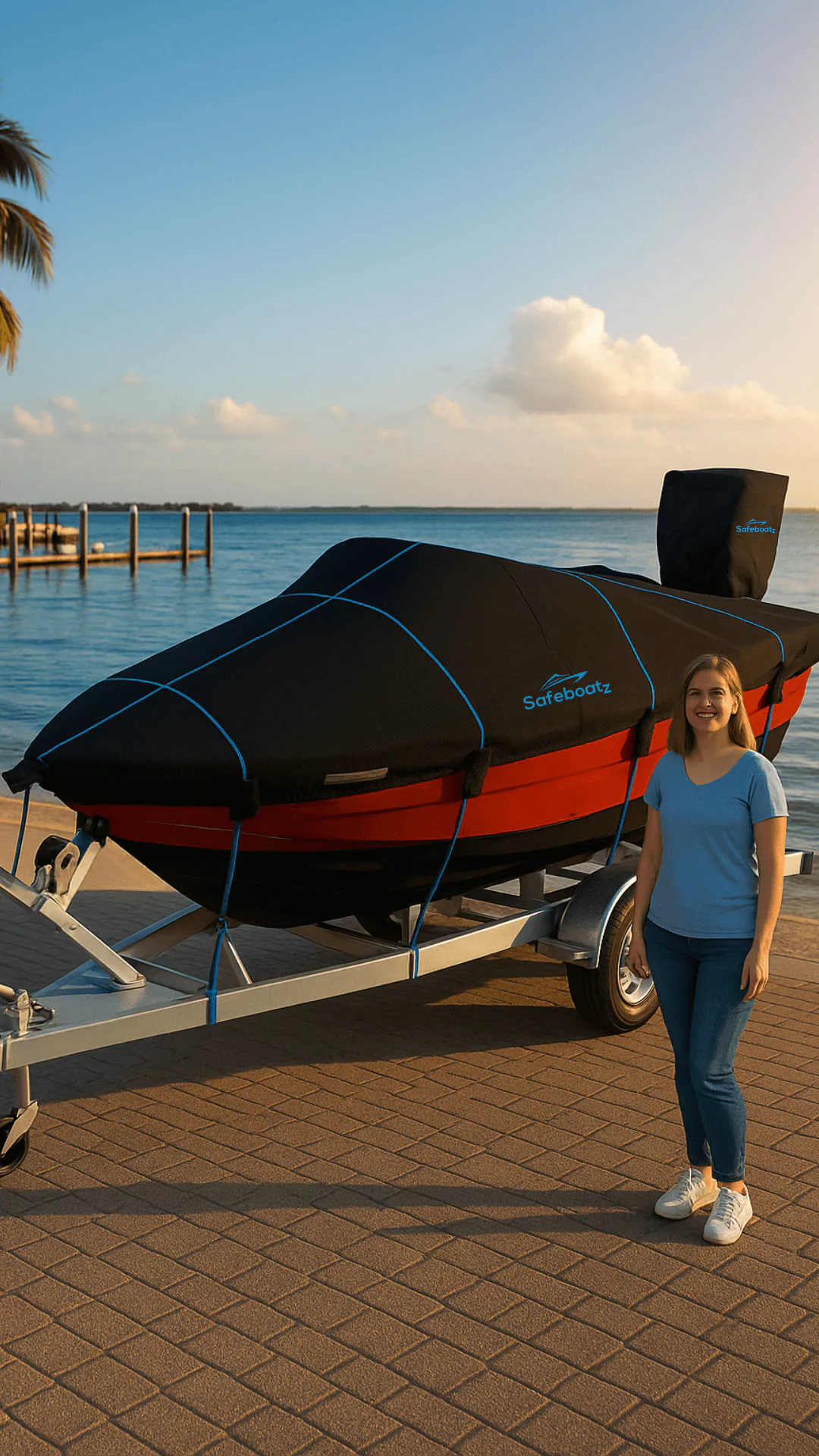
Trailerable Boat Cover 17-19ft
Fits 17–19ft boats – 102” beam. Heavy-duty 900D fabric, waterproof & UV-resistant. Reinforced for trailering. Built to protect, wherever you go.
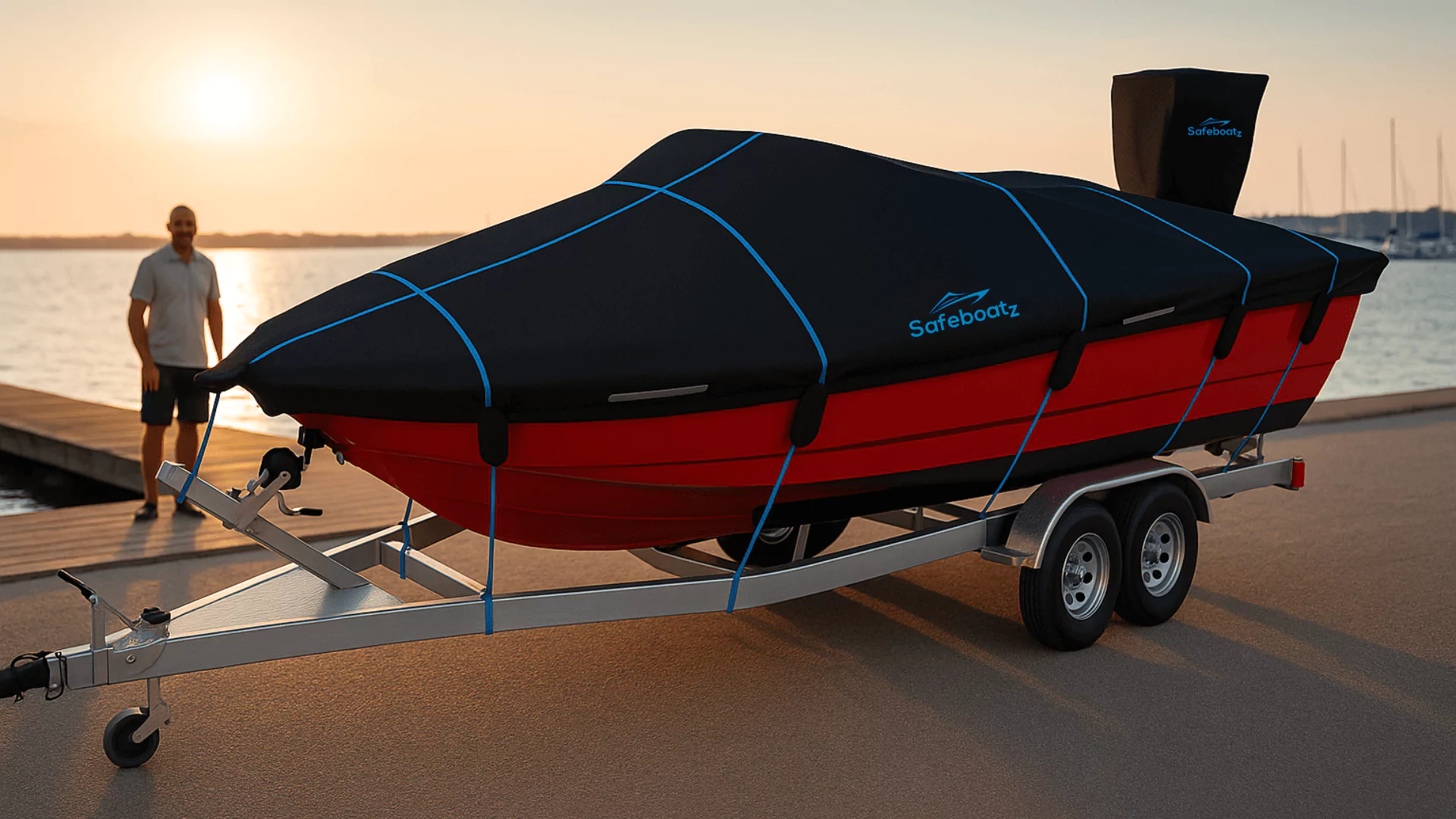
Trailerable Boat Cover 20-22ft
Fits 20–22ft boats – 106” beam. Heavy-duty 900D marine fabric, waterproof & UV-resistant. Secure fit for trailering and winter storage.