 SafeBOT

Reusable Boat Covers vs Shrinkwrap: Cost, Fit & Storage Tradeoffs
Reusable boat covers and shrinkwrap solve different storage problems. Compare cost, access, ventilation, trailering, waste, fit, storage inspections, and multi-season tradeoffs.

Reusable Boat Covers vs Shrinkwrap: What Changes in Real Use
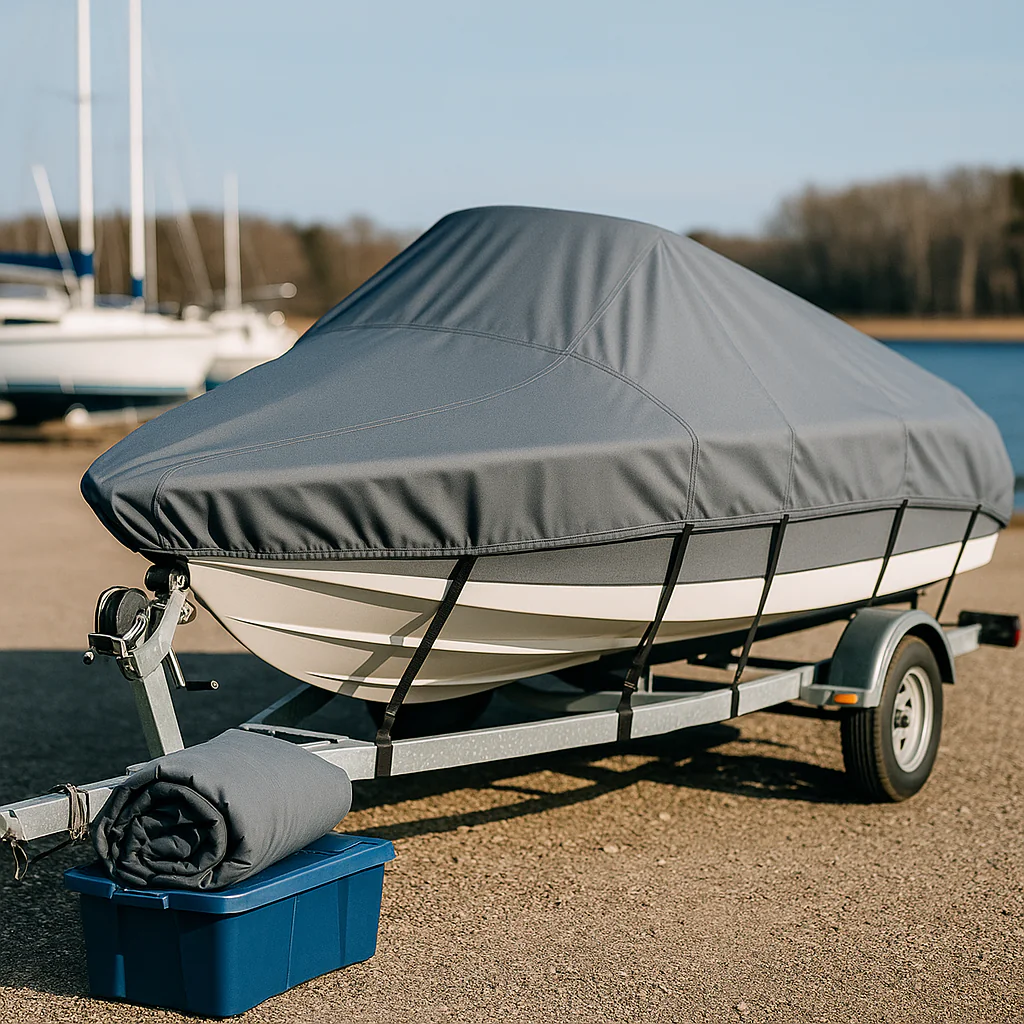
Reusable boat covers and shrinkwrap both protect boats during storage, but they solve the problem in different ways. Shrinkwrap creates a temporary sealed layer for one season, usually installed by a yard or service provider. A reusable cover is a piece of gear you own, install, maintain, remove, dry, and store over multiple seasons.
The better choice depends on where the boat is stored, whether you need access during storage, how often you trailer, your climate, your budget, and whether you prefer annual service or a reusable system you control.
Where Shrinkwrap Can Make Sense
- You want a one-season storage solution installed by a marina or yard.
- The boat will stay in one location all winter.
- You do not need frequent access to the boat.
- You do not want to clean, fold, dry, or store a reusable cover.
- Your local yard has a reliable support and venting process.
Shrinkwrap can look clean and tight when installed well. The tradeoff is that it is normally single-use, must be removed and disposed of, and still needs proper support and ventilation. A tight wrap without airflow can trap moisture just like a poorly installed cover.
Where a Reusable Boat Cover Is Stronger
- You trailer the boat and need a cover that can be removed and reinstalled.
- You want to inspect the boat during storage without cutting plastic away.
- You prefer a multi-season investment instead of paying every year.
- You want adjustable straps, support, and ventilation.
- You want to reduce single-use plastic waste.
- You store the boat at home and need practical access.
A reusable cover still has to fit correctly. A cheap loose cover can pool water, flap in wind, and trap moisture. The advantage comes from measured fit, support, fabric quality, strap tension, ventilation, and the ability to inspect and adjust over time.
Cost Comparison: Upfront vs Seasonal
Shrinkwrap usually spreads the cost season by season. A reusable cover costs more upfront, but it can make sense over multiple seasons if you maintain it properly. The true cost comparison should include installation, removal, disposal, storage access, repairs, and how many seasons the reusable cover realistically lasts in your conditions.
Do not compare only the first invoice. Compare the total ownership pattern. If you store outdoors every year and want access to the boat, a good reusable cover can be more flexible. If you rely on a marina and do not want to handle the cover yourself, shrinkwrap may feel simpler.
Ventilation and Moisture
Moisture control is one of the biggest differences. Shrinkwrap can protect well from above, but it needs vents and support. A reusable cover also needs airflow and shape. Neither option works well if the boat is put away wet, filled with damp gear, or left with low spots that collect water.
Before storage, clean the boat, remove wet items, open compartments long enough to dry, and check bilge areas according to your normal process. For more detail, read the Safeboatz guide to boat cover ventilation.
Access During Storage
If you need to inspect the boat, charge batteries, check moisture, remove gear, or adjust support during the season, a reusable cover is usually easier. Shrinkwrap can limit access unless a zipper door or access point is installed. Even then, owners may be less likely to inspect regularly because the wrap feels like a sealed package.
For boats stored in changeable winter conditions, inspection access matters. You may need to remove snow load, adjust support, or check whether condensation is building inside.
Trailering and Repeated Use
Shrinkwrap is generally a storage solution, not a regular trailering solution. If you need a cover for towing, short trips, or repeated seasonal use, a reusable trailerable cover is usually the relevant category. Always confirm that the cover is intended for trailering and that the strap system is installed correctly.
If trailering matters, compare the trailerable boat cover guide and confirm your measurements before choosing a size.
Environmental and Practical Tradeoffs
Shrinkwrap creates waste after removal unless it is recycled through a local program. A reusable cover requires storage space and maintenance, but it avoids buying and discarding plastic each season. The practical answer depends on your local recycling options, storage habits, and how long you can keep a reusable cover in service.
Decision Checklist
- Will you need access to the boat during storage?
- Will the boat stay in one place all season?
- Do you trailer the boat with a cover installed?
- Is moisture control a major concern in your climate?
- Do you have room to dry and store a reusable cover?
- Does your marina require or prefer a specific storage method?
- Are you comparing one-season cost or multi-season cost?
FAQ: Reusable Covers vs Shrinkwrap
Is shrinkwrap always more waterproof?
Not automatically. A well-installed wrap can shed water, but support, vents, and installation quality matter. A poor setup can still trap moisture.
Can a reusable cover replace shrinkwrap?
For many storage situations, yes, if it fits well and is supported correctly. Some owners still prefer shrinkwrap for marina-managed winter storage.
Which is better for trailering?
A reusable cover designed for trailering is the relevant option. Shrinkwrap is normally used for storage, not repeated towing.
Final Take
Shrinkwrap can be convenient for one-season storage, especially when handled by a professional yard. A reusable boat cover can be the better long-term choice when you want access, adjustability, less waste, and a cover that also supports repeated seasonal use. The right decision depends on fit, storage conditions, inspection needs, and total cost over multiple seasons.
Before you choose, measure the boat carefully and decide whether your priority is one-season convenience or multi-season control. Start with the free Safeboatz Boat Protection Guide, then compare trailerable cover fit and care.
Related reusable-cover resources
If you are comparing reusable covers with seasonal wrap, start with the Safeboatz measuring checklist, the boat tarp vs cover guide, and the heavy-duty cover guide. For current Safeboatz sizes, compare the 17–19 ft trailerable cover and 20–22 ft trailerable cover.
For broader sustainability and disposal context, review the EPA recycling resources and the BoatUS expert advice archive.
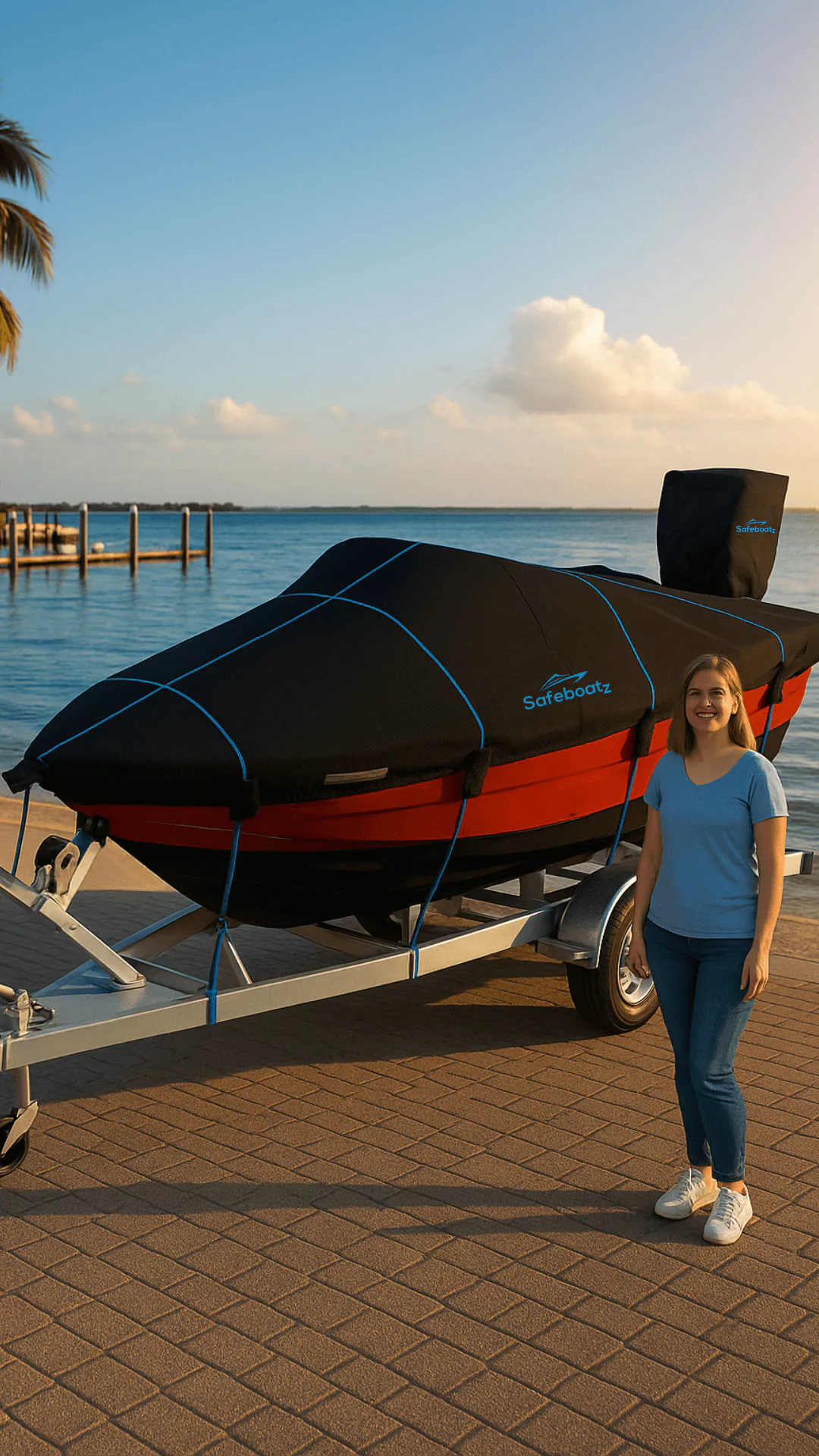
Trailerable Boat Cover 17-19ft
Fits 17–19ft boats – 102” beam. Heavy-duty 900D fabric, waterproof & UV-resistant. Reinforced for trailering. Built to protect, wherever you go.
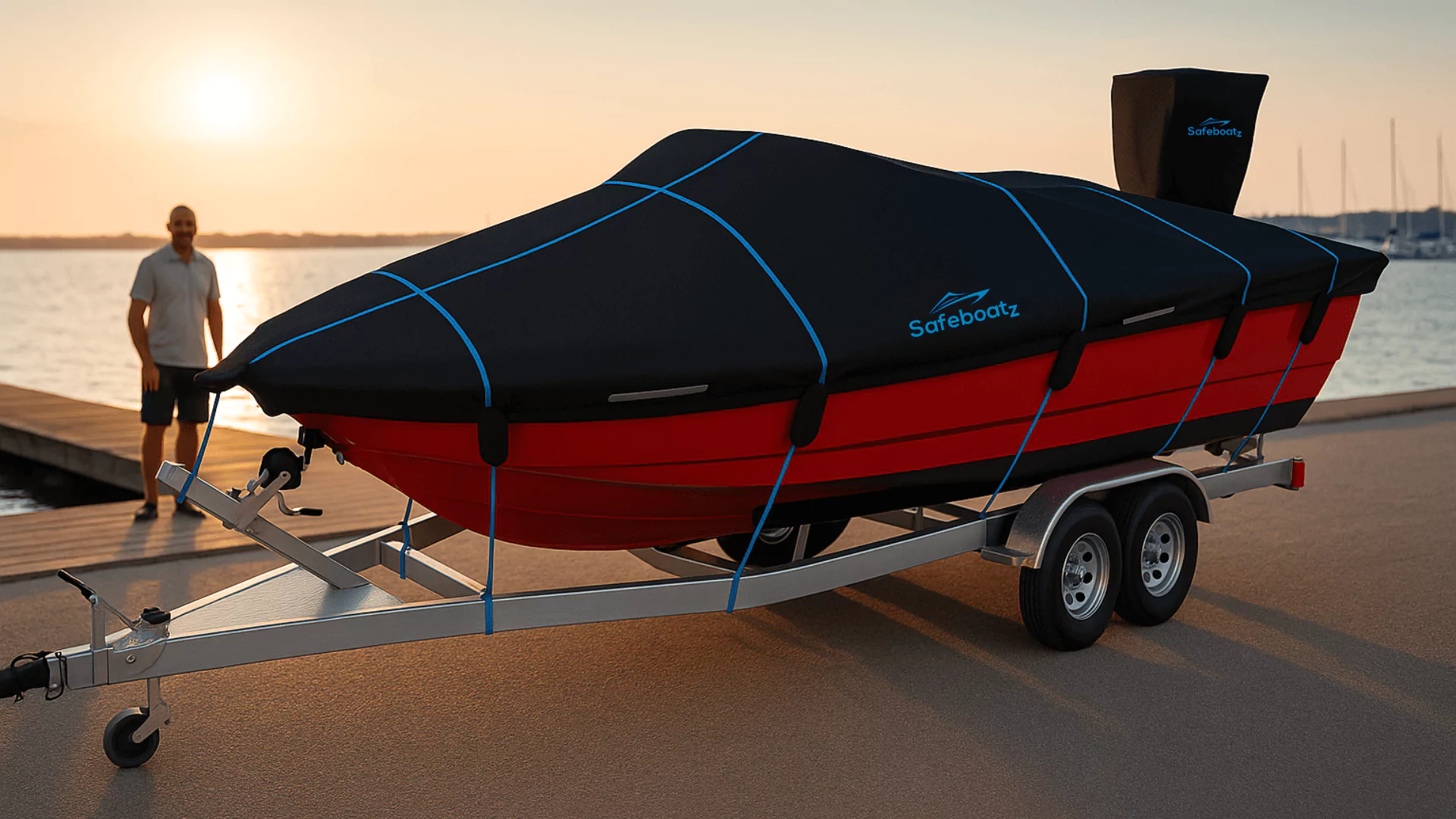
Trailerable Boat Cover 20-22ft
Fits 20–22ft boats – 106” beam. Heavy-duty 900D marine fabric, waterproof & UV-resistant. Secure fit for trailering and winter storage.