 SafeBOT

Boat Covers 17–19 ft: Fit, Fabric & Care Guide
A complete 17–19 ft boat cover guide for centerline length, beam, hardware clearance, trailering, storage support, ventilation, care, and Storm Series fit checks.

Boat Covers 17–19 ft: What Owners Need to Check
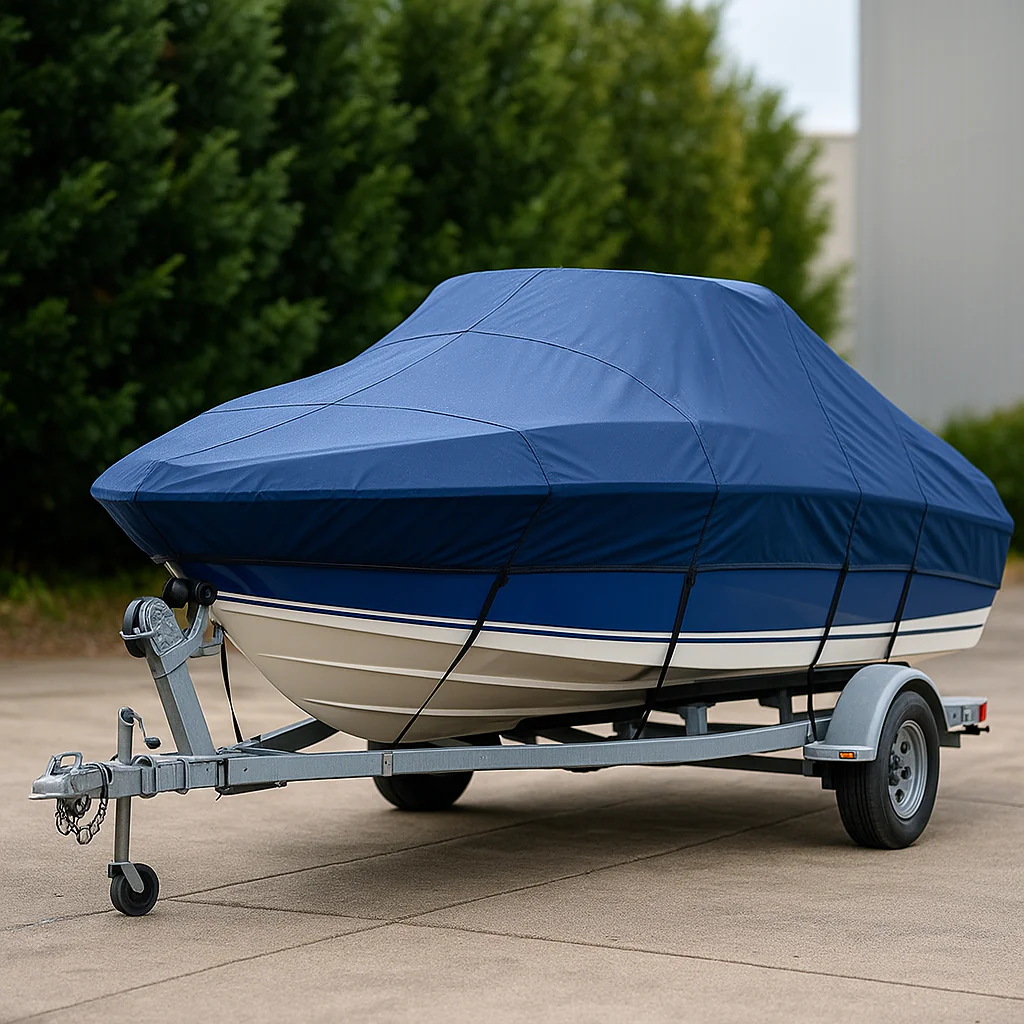
A 17–19 ft boat cover sounds like a simple size range, but fit still depends on more than length. Beam width, console height, outboard position, trolling motor, rails, electronics, bow shape, and storage use all change how the cover sits. A cover can be in the right length range and still be too loose, too narrow, or too tight around hardware.
The goal is a cover that tensions evenly, sheds water, avoids rubbing at pressure points, and gives the boat enough airflow during storage. This guide gives US boat owners a practical checklist before buying, reinstalling, or comparing a 17–19 ft trailerable cover.
Start With Measurements, Not Model Names
Measure centerline length from the bow tip to the farthest point at the stern. Then measure beam width at the widest point. Do not rely only on model name, registration paperwork, or an old cover bag. Accessories and model-year changes can change the real fit.
If your boat is near either edge of the range, beam and hardware clearance matter even more. Use the Safeboatz measuring guide before choosing a size.
17–19 ft Fit Checklist
- Centerline length measured straight, not around the curve.
- Beam confirmed at the widest point.
- Console, windshield, rails, trolling motor, and electronics noted.
- Outboard position checked so the stern does not pull incorrectly.
- Storage use defined: driveway, marina, winter, or trailering.
- Support poles considered if the cockpit creates low spots.
- Strap paths checked against trailer bunks, fenders, and sharp edges.
Common Boats in This Range
Many bass boats, fishing boats, aluminum boats, center consoles, and runabouts fall near the 17–19 ft range. That does not mean they use the same cover shape. A low-profile aluminum boat and a higher windshield runabout can both measure 18 ft but need different clearance.
If your boat has a tall console, ski tower, aftermarket electronics, or a trolling motor left installed, measure those features instead of assuming the cover will stretch around them.
Fabric, Seams, and Weather Protection
Fabric matters, but it is not the whole answer. A stronger marine fabric performs better when the fit is correct and the cover is supported. Look for abrasion resistance, water-shedding treatment, seam quality, and reinforced areas around predictable stress points.
Avoid judging by “waterproof” language alone. Ventilation, slope, and support matter too. For fabric background, see the 900D marine-grade polyester guide and the waterproof boat cover guide.
Trailering With a 17–19 ft Cover
If you plan to tow with the cover installed, confirm that the cover is intended for trailering. Road wind stresses loose fabric, straps, and contact points. Before towing, check that straps are straight, tension is even, and fabric is not rubbing against hardware.
Stop early in a trip to inspect movement. A cover that looked stable in the driveway can shift once exposed to road wind. The trailerable boat cover guide explains the pre-trip checks in more detail.
Storage Support and Water Runoff
Outdoor storage requires a shape that sheds water. If the cover forms a low pocket over the cockpit, add support according to the cover instructions. A low pocket collects water, adds weight, and pulls the cover lower, which can stress seams and straps.
For winter use, support is even more important because snow and freezing rain can sit longer than summer rain. Read the snow-load boat cover guide if your boat stays outside through cold weather.
Ventilation and Moisture Control
A good cover blocks rain, but moisture can still come from inside the boat. Wet life jackets, damp carpet, bilge water, and temperature swings can create condensation. Remove wet gear, dry compartments, and keep vents clear before storage.
For a more detailed moisture checklist, use the boat cover ventilation guide.
Storm Series 17–19 ft Fit Context
The Safeboatz Storm Series 17–19 ft cover is the active premium option for boats that fit this measured range. Before comparing it, confirm centerline length, beam, and hardware clearance. If your boat is larger or has unusual accessories, check a larger fit range rather than forcing a smaller cover.
Active 17–19 ft Storm Series Option
For boats in this measured range, review the Safeboatz Storm Series 17–19 ft cover after checking length, beam, console height, trolling motor clearance, and trailering use. If your boat is closer to the upper edge or has unusual hardware, compare the 20–22 ft Storm Series page instead of forcing a tight fit.
Buying Decision Framework
When two covers both claim to fit 17–19 ft boats, compare them in this order: measured fit range, beam allowance, hardware clearance, strap layout, fabric durability, ventilation, support options, and whether trailering is part of the intended use. Price matters, but a cheap cover that flaps, pools water, or rubs at the windshield can cost more in repairs and frustration.
If your boat is used often, prioritize repeatable installation and strap access. If it sits outside for weeks, prioritize support, water runoff, and ventilation. If it is towed covered, prioritize edge control, strap routing, and early-trip inspection.
Installation and Care Checklist
- Clean the boat before installing the cover.
- Pad sharp contact points around rails or electronics.
- Align the cover before tightening straps.
- Check straps after storms or towing.
- Remove leaves and debris before they sit on the fabric.
- Let the cover dry before folding or storing it.
- Inspect seams, vents, corners, and strap attachment points regularly.
FAQ: 17–19 ft Boat Covers
Does every 18 ft boat fit the same cover?
No. Beam, console height, motor position, and accessories can change fit even when length is similar.
Should I choose a bigger cover if I am between sizes?
Check the manufacturer’s fit guidance. Too small can strain seams; too large can flap and pool water. Beam and hardware clearance matter.
Can I use a 17–19 ft cover for winter storage?
Yes if the cover fits properly and is supported for water or snow shedding. Ventilation and inspections still matter.
What if my boat has a trolling motor?
Measure with the trolling motor in its stored position and check whether the cover design allows that clearance without sharp rubbing.
Final Take
Seasonal Inspection Notes
At the start of the season, check whether the cover still matches the boat setup. New electronics, a changed trolling motor position, a different trailer setup, or a repaired windshield can alter contact points. During fall storage, photograph the strap routing and support-pole locations so reinstalling is easier after winter.
After the first heavy rain, look for low pockets and wet areas inside the boat. Correcting support early is easier than waiting until fabric has stretched around a sagging point.
Final Take
A 17–19 ft boat cover should be chosen by measurement, use case, support, and fit — not length alone. Measure the boat, confirm hardware clearance, choose a cover built for your storage or trailering needs, and inspect the setup after weather.
Helpful next step: compare the Safeboatz Storm Series 17–19 ft cover or download the free Boat Protection Guide.
Related 17–19 ft cover resources
For 17–19 ft boats, fit quality comes from measuring the hull, checking hardware clearance, and keeping tension even during storage or towing. Use Safeboatz follow-up guides on 18 ft waterproof cover fit, bass boat covers in this size range, trailering setup, and ventilation during storage.
For neutral safety and weather context, review U.S. Coast Guard boating safety resources and NOAA/National Weather Service marine weather resources.
Boating Enthusiasts — Join the Crew!
Free Boat Protection Guide Download Yours Now
Get your free copy of The Complete Boat Protection Guide — expert tips, real-world strategies, and exclusive insights from the Safeboatz team.