 SafeBOT

High-Quality Boat Covers: Fit, Fabric, Protection & Buying Checklist
Learn what separates a high-quality boat cover from a basic tarp: fit, fabric, seams, ventilation, trailerability, storage use, and a practical buying checklist.

What Makes a Boat Cover “High Quality”?
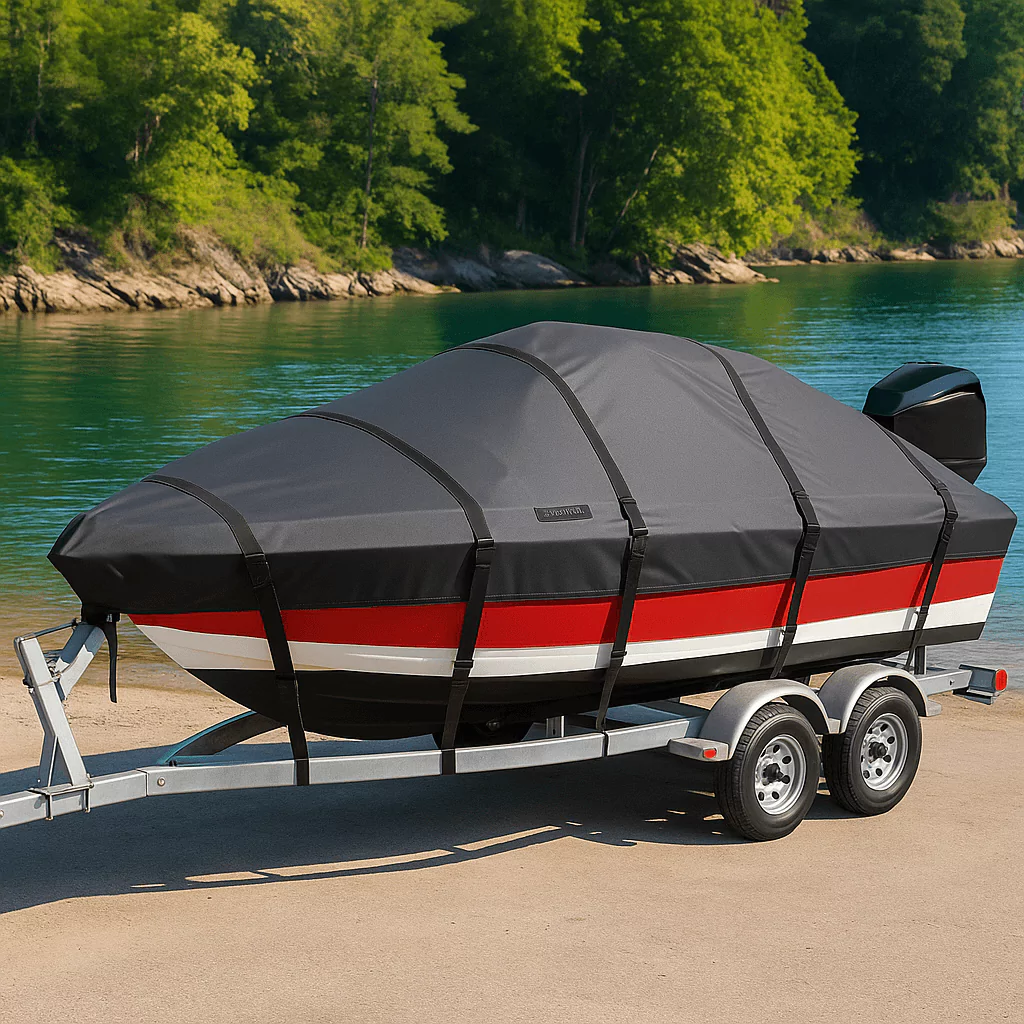
A high-quality boat cover is not just a thicker version of a cheap tarp. It is a cover system that fits the boat, sheds water, resists UV exposure, supports airflow, and stays secure during the type of use you actually need: driveway storage, marina storage, winter layup, or trailering.
The right cover helps reduce sun fading, dirt buildup, bird droppings, leaf stains, and repeated moisture exposure. It cannot remove the need for cleaning, inspections, or proper storage habits, but it can make routine protection easier and more consistent.
Quality Starts With Fit
Fit controls almost everything a cover does. If the cover is too loose, wind can lift it, fabric can flap, and rain can settle into pockets. If it is too tight, seams and stress points can be overloaded. A strong fabric still performs poorly when the fit is wrong.
Measure before comparing covers
- Measure centerline length from bow to stern, not just the model year.
- Check beam width at the widest point.
- Account for rails, consoles, trolling motors, towers, or raised accessories.
- Compare the measurements to the cover range instead of guessing from the boat name.
If you are unsure about sizing, start with the boat cover measuring guide before choosing between 17–19 ft, 20–22 ft, or another range.
Fabric, Coating, and UV Resistance
Marine cover fabric needs to balance water resistance, tear resistance, weight, and flexibility. Polyester is common because it can provide strength without becoming overly heavy. Coatings and treatments help the fabric shed water and resist UV exposure, but no cover should be treated as maintenance-free forever.
For product-adjacent research, compare the 900D marine-grade polyester guide. It explains where fabric weight helps and where fit, seams, and support still matter.
Seams, Straps, and Stress Points
Many cover failures begin at the edges, seams, strap points, or corners. When shopping, look beyond the top fabric and check how the cover handles stress.
- Reinforced corners where the cover rubs against hardware.
- Secure strap points that distribute load instead of tearing fabric.
- Stitching that looks even and protected from direct wear.
- A tension system that lets you snug the cover without over-tightening one area.
For towing use, strap layout matters even more because road wind can punish loose fabric quickly. See the trailerable boat cover guide before assuming any storage cover is suitable for road use.
Water Resistance vs. Breathability
Boat owners often look for the most waterproof-sounding claim, but protection is more nuanced. A cover should shed rain, yet trapped damp air can contribute to odor, mildew, and damp upholstery during long storage. The best setup balances water resistance with ventilation and proper slope.
If your boat sits outside for weeks, do not cover it wet and walk away. Dry the cockpit, remove damp gear, use support poles where needed, and inspect after storms. The ventilated boat cover guide explains how airflow reduces moisture risk.
Match the Cover to the Use Case
Short-term marina or driveway storage
Prioritize fit, water shedding, UV protection, and easy installation. A cover that is hard to install correctly may be left off when it is needed most.
Winter storage
Prioritize slope, support, snow and rain runoff, and inspection access. Read the winter boat cover guide if your boat will sit through freeze-thaw weather.
Trailering
Prioritize a cover designed for towing, secure straps, reduced flapping, and correct tension. A cover intended only for storage should not be used on the highway unless the manufacturer says it is suitable.
High-Quality Boat Cover Buying Checklist
- Correct length and beam range for your boat.
- Enough shape or support to prevent water pockets.
- Fabric that balances strength, water resistance, and manageable weight.
- Ventilation or airflow strategy for long storage.
- Reinforced stress points near corners, straps, and hardware.
- Clear use-case fit: storage only, trailerable, winter, or all-season storage.
- Care instructions you are willing to follow.
- Internal next step: sizing guide, product range, or free checklist.
Common Mistakes to Avoid
- Buying by boat length alone and ignoring beam or accessories.
- Using a loose tarp for long-term outdoor storage.
- Letting rain pool on a flat cover.
- Storing the cover while damp or dirty.
- Assuming “waterproof” means moisture can never build up underneath.
- Using a non-trailerable cover for road towing.
FAQ: High-Quality Boat Covers
Is a custom cover always better?
A custom cover can fit very precisely, but a well-designed semi-custom cover may be more practical and affordable for common boat ranges. The key is matching the cover range to measured boat dimensions.
How long should a good boat cover last?
Lifespan depends on UV exposure, weather, storage habits, cleaning, fabric quality, and fit. Inspect seams, strap points, and water-shedding ability each season instead of relying on a fixed number of years.
Should I cover a boat stored indoors?
Often yes. Indoor storage still exposes boats to dust, pests, and accidental scratches. The cover requirements may be lighter, but fit and dry storage still matter.
Final Take
A high-quality boat cover earns its value through fit, fabric, seam strength, ventilation, and the way it matches your real boating routine. Start with measurements, decide whether you need storage or trailering performance, then compare cover features against that use case.
Use the free Safeboatz Boat Protection Guide to build your seasonal protection checklist. If your boat falls in the active Safeboatz Storm Series ranges, compare the 17–19 ft trailerable cover and 20–22 ft trailerable cover.
Where Safeboatz Storm Series Fits
Safeboatz currently centers its active product range on Storm Series trailerable covers for 17–19 ft and 20–22 ft boats. That makes the brand most relevant for owners who need a stronger everyday cover for storage and transport, not for owners looking for a disposable tarp or a custom canvas shop build.
If your boat is in one of those ranges, compare the product page against your measurements, accessories, and use case. If it is outside the range, use this guide as a buying checklist rather than forcing a poor fit. A high-quality cover is only high quality for your boat if the size and use case match.
Pre-Purchase Fit Notes to Write Down
- Boat length and beam as measured, not guessed from the model name.
- Whether the boat will be covered while trailering, stored outdoors, or both.
- Raised hardware that may affect fit: rails, console, windshield, trolling motor, tower, or bimini frame.
- Storage season: summer UV, fall leaves, winter snow, or year-round exposure.
- Your realistic care routine: how often you will inspect, clean, and dry the cover.
Related quality and material resources
A high-quality cover combines fabric, stitching, fit, ventilation, and predictable tie-down behavior. Pair this checklist with Safeboatz guides to heavy-duty cover materials, water resistance and waterproofing, 900D marine-grade polyester, and elastic hem fit.
For neutral maintenance and safety context, use the BoatUS expert advice archive and U.S. Coast Guard boating safety resources.
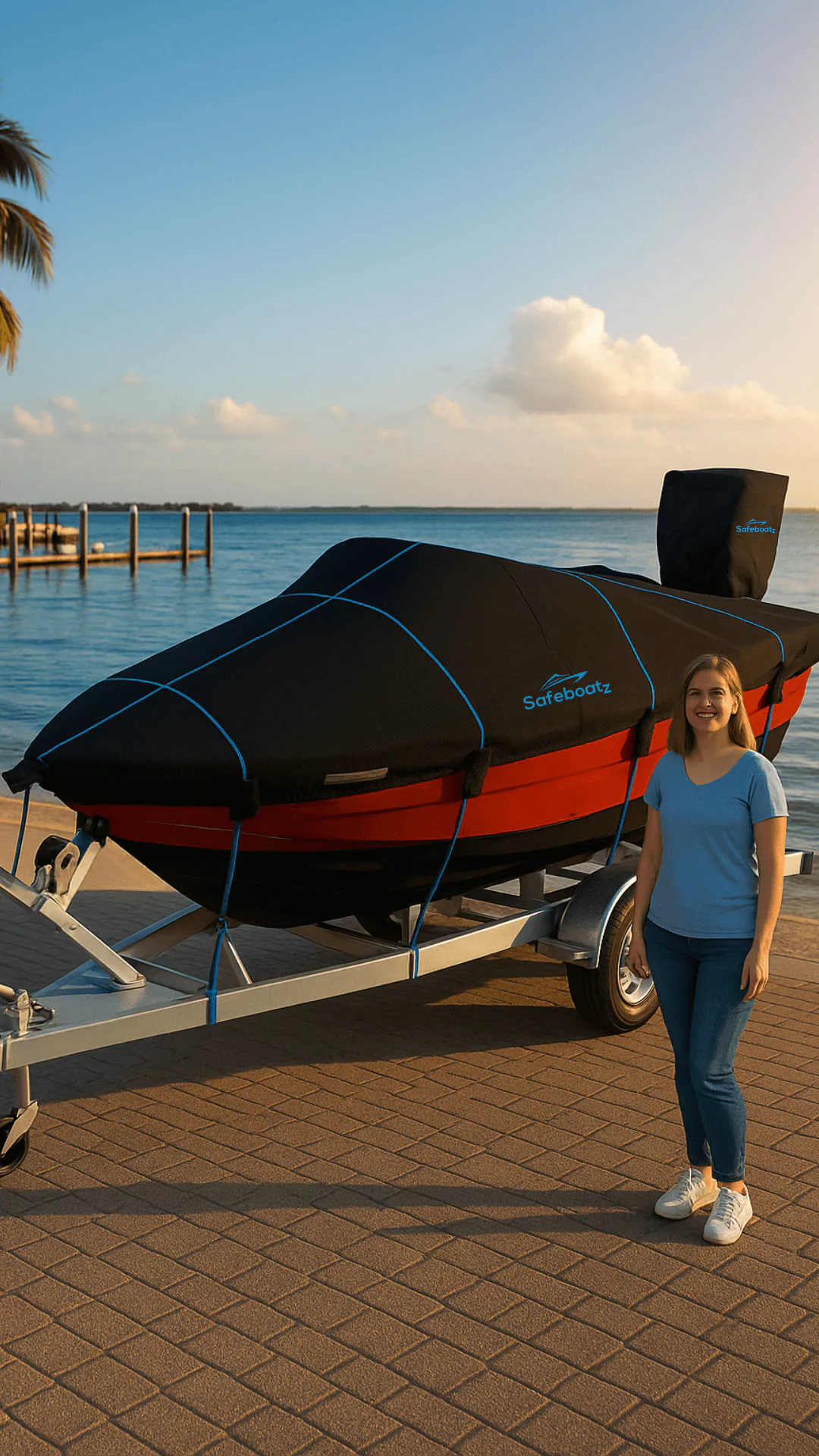
Trailerable Boat Cover 17-19ft
Fits 17–19ft boats – 102” beam. Heavy-duty 900D fabric, waterproof & UV-resistant. Reinforced for trailering. Built to protect, wherever you go.
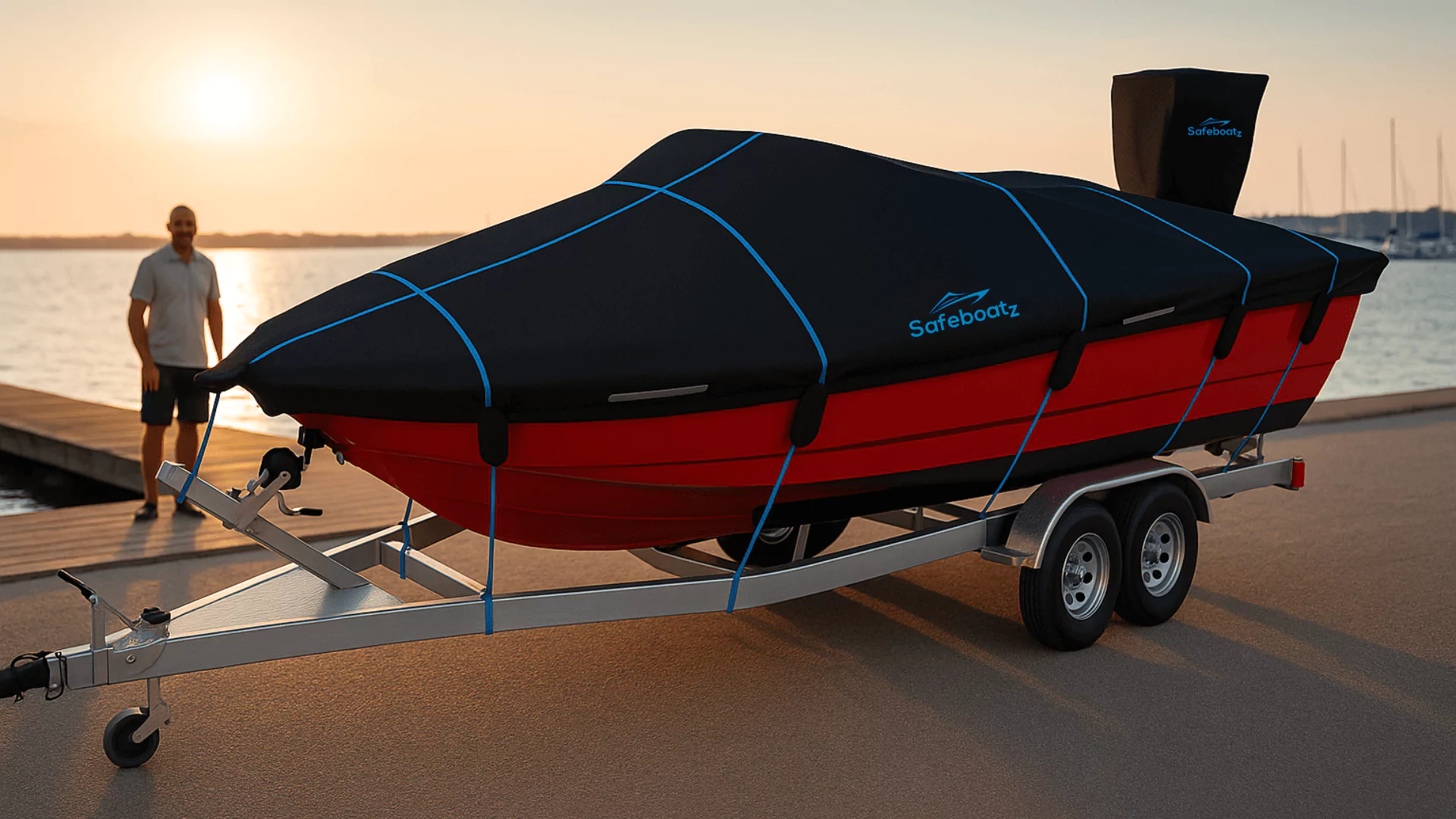
Trailerable Boat Cover 20-22ft
Fits 20–22ft boats – 106” beam. Heavy-duty 900D marine fabric, waterproof & UV-resistant. Secure fit for trailering and winter storage.