 SafeBOT

boat covers amazon: Practical Buying, Fit & Care Guide

boat covers amazon: Practical Buying, Fit, and Care Advice
boat covers amazon is the search that brought you here, and in this introduction you’ll get clear guidance on buying, measuring, and caring for a cover bought through Amazon. If you shop online you need to know how to read listings, check fit details, and verify materials before checkout. Start with the measuring guide to capture exact LOA and beam measurements. For safety and transport rules consult official sources like the USCG guidelines. This article explains common listing traps, shows three real examples of product descriptions, and gives practical steps you can follow today. You’ll learn how to interpret denier ratings, what waterproof claims really mean, and why fit matters more than fashion. Use the checklists below to avoid returns and wasted money. By the end you’ll know how to choose a cover that fits, protects, and lasts on the road and in storage. Strong fit and simple installation keep your boat ready for launch and reduce damage risks.
What to expect when buying boat covers on Amazon
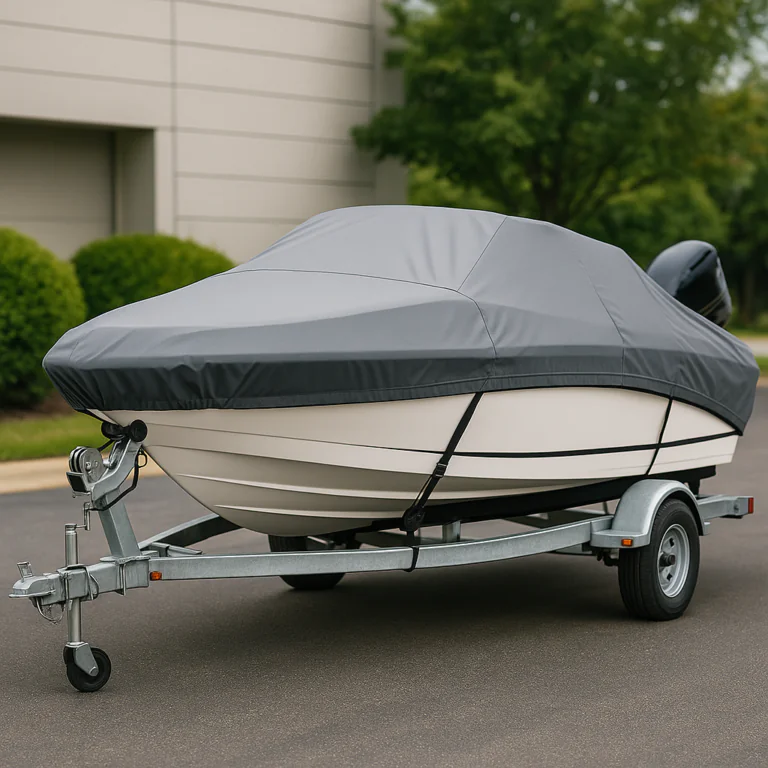
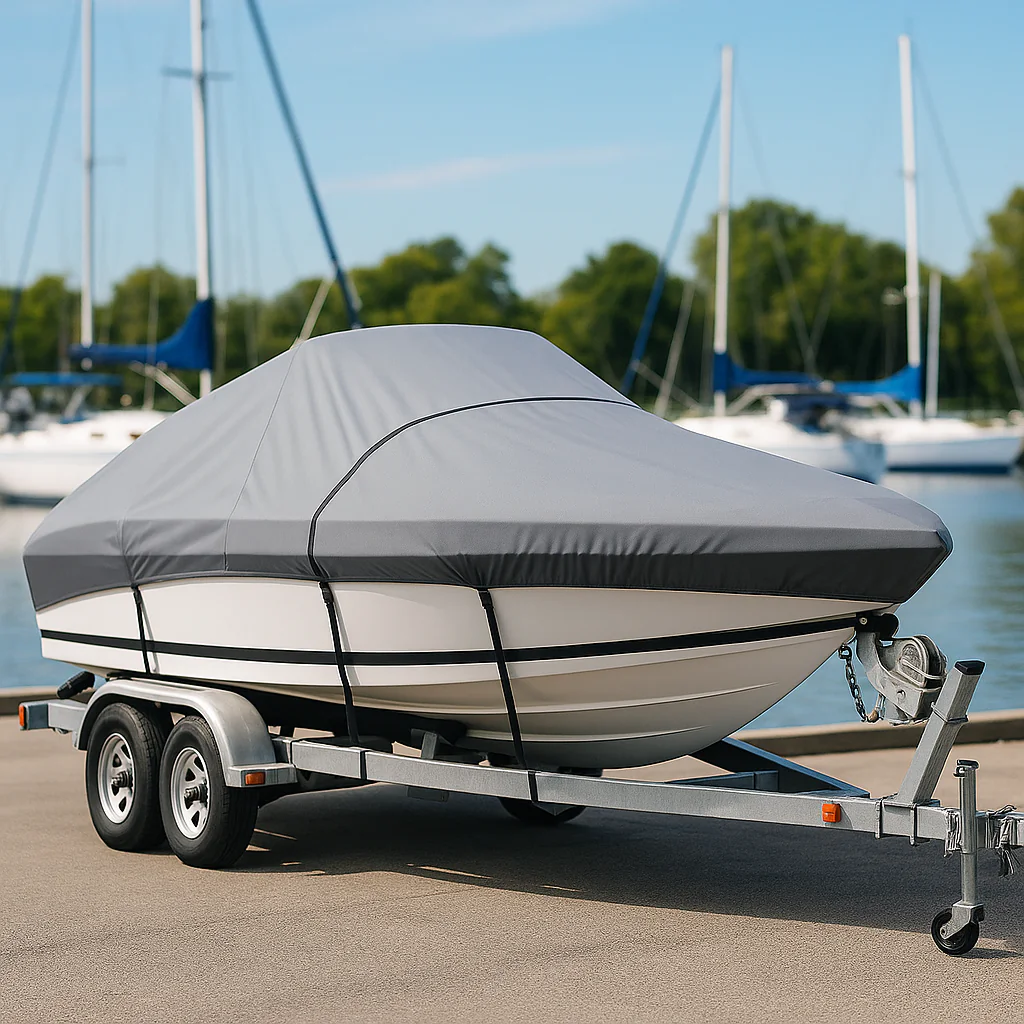
Buying boat covers amazon can save time, but it also creates new decisions. You must check seller details, read reviews with context, and confirm sizing tables. Listings vary between universal and model-specific fits. A universal cover may fit many boats but often sacrifices tension and ventilation. A model-specific listing promises an exact fit, but you still must confirm LOA and beam. Look for photos showing covers on trailers, not just on studio hulls. Pay attention to listed fabric, seam construction, and hardware descriptions. When a listing mentions 900D, PU coating, or 3000PA, those are real indicators of durability. If the description leaves out seams or hardware type, ask the seller a quick question before you buy.
- Check measurements against your own tape measure.
- Confirm fabric and coating details in the text.
- Verify return policy and shipping times.
Example 1: A listing that states exact LOA and beam and shows the cover fitted to a trailer is more trustworthy. Example 2: A listing that only lists « fits 17-19 ft » without beam is risky. Example 3: A listing that shows rust-resistant hardware and dual vents usually performs better in winter storage. Use these criteria when you compare options.
Checklist before you buy
Follow this quick checklist to avoid returns. First, measure your boat accurately. Second, compare the listed fabric and seams to product photos. Third, read recent reviews and filter by verified purchases. Fourth, check expected delivery and return windows. If any of these steps fail, pause the purchase. A measured, informed buy reduces the chance you’ll be wrestling with a baggy, sagging cover on a rainy day.
- Measure LOA and beam with a tape measure at two points.
- Match those numbers to the listing’s size chart.
- Confirm material and hardware descriptions with the seller.
Choosing the right fit and material for long-term protection
Fit and material determine whether a cover protects or damages your boat. A tight fit stops water pooling and protects gelcoat. Material choices matter: heavy-duty 900D polyester with a PU coating resists UV and abrasion. Breathable materials prevent trapped moisture. If a listing emphasizes « waterproof » but lacks vents, it may trap condensation. Prioritize covers that list reinforced seams, elastic hems, and ratchet hardware. These features deliver consistent tension during trailering and storage. When you see product specs mention denier ratings or seam hydrostatic ratings, weigh those details carefully. Also consider climate: high-sun regions need stronger UV resistance. Cold climates need breathable designs to avoid freeze-thaw damage.
- Fit: exact LOA and beam match is essential.
- Material: look for marine-grade claims and coatings.
- Ventilation: ports or vents reduce mold risk.
Material comparison and real scenarios
If you store in a dry Southern climate, UV resistance matters most. Choose a cover with strong UV coating and reinforced seams. In humid or cold climates a breathable option with vents and a water-shedding outer layer prevents mold. For frequent trailering choose a cover with steel ratchets and secure straps. Scenario A: Trailering weekly along coastal salt air — pick rust-proof hardware and 900D fabric. Scenario B: Winter yard storage under snow — choose strong elastic hems and removable vents. Scenario C: Year-round mooring — prioritize UV and mildew resistance. These scenarios show how material and features should match your use.
- Match cover features to your primary use case.
- Pick materials and hardware designed for that exposure.
How to install and secure covers for trailering and storage
Proper installation keeps the cover in place and extends service life. Use firm ratchets, secure straps, and double-check tension points before you hit the highway. A single loose corner creates flap damage in minutes. Learn to tension evenly, route straps away from moving parts, and secure excess webbing. If your cover has plastic clips, inspect them for stress points; steel ratchets are a more reliable choice for heavy use. Follow a consistent sequence every time you install so nothing gets missed.
Pro tip: Tension slowly and evenly. Tighten one side a little, then the opposite, and repeat until the hem sits snugly against the hull.
Use these step-by-step installation steps to get it right on the first try. Measure twice, align vents, secure bow and stern, then tension side ratchets. For trailering, check mirror view and test at low speed before long trips. If you plan to trail frequently, invest in covers rated for highway speeds and reinforced at strap points. For more details on trailering-friendly designs see the trailerable guide for best practices.
Installation steps
These short steps keep installation simple. Start with a clean, dry hull. Drape the cover and align vents. Fasten bow and stern first. Work around the hull tightening ratchets evenly. Tuck straps and tape loose ends so nothing flaps. Inspect all hardware after your first short trip. Small corrections now prevent major damage later.
Common mistakes to avoid: leaving slack in one side, failing to route straps away from propellers, and neglecting to check vents. For weather planning, check the National Weather Service before long storage periods so you can prepare for heavy precipitation or wind events.
- Secure bow and stern first to set anchor points.
- Tension ratchets evenly to prevent one-sided stress.
- Inspect hardware before every trip.
Care, maintenance, and storage advice that extends cover life
Maintaining a cover keeps it protective and saves money. Clean the cover after mud or salt exposure using mild soap and a soft brush. Avoid harsh detergents and power washers that weaken coatings. Store rolled or folded loosely in a dry place out of UV. Repair small seam rips early with marine-grade seam tape. If your cover will sit unused for months, open vents periodically to let moisture escape. When buying on Amazon, keep the receipt and photos of the cover condition at arrival. That helps with returns or warranty claims.
Seasonal checklist and examples
Winter storage examples: If heavy snow is expected, add a support pole to prevent pooling. For spring commissioning, lift covers several times to air out damp interiors. For summer UV, move covers under shade when possible and inspect for fading. These small steps prevent mold and gelcoat damage. For detailed care steps and fabric specifics consult the waterproof guide which outlines cleaning and repair techniques.
- Clean regularly after salt or mud exposure.
- Store dry and away from direct sun.
- Repair promptly to prevent bigger failures.
- Rinse with fresh water after saltwater use.
- Use mild soap and soft brush for stains.
- Air dry completely before folding or storing.
Key takeaway: Regular care and the right material choice keep a cover serviceable for years. Small investments in maintenance yield large savings in repair costs.
For a quick refresher on general cover selection and fit patterns see the cover selection guide. That article summarizes fit checks and common feature trade-offs so you can compare listings confidently.
Conclusion: Quick actions you can take today
To summarize, start every purchase of boat covers amazon with exact measurements and feature checks. Use the measuring guide and compare material specs carefully. Prioritize fit, ventilation, and hardware over price alone. Install covers with even tension and inspect them after your first short tow. Clean and store properly to extend life. If you want third-party guidance on marine safety and storage practices, consult the expert resources at the BoatUS Foundation. Take one small action now: measure your hull, save the numbers, and use them when you evaluate listings. That single step prevents most common buying mistakes and gets you a cover that truly protects your boat.
Frequently Asked Questions
How do I reset my password?
You can reset your password by clicking the Forgot password link on the sign-in page and following the instructions. Start by entering the email or username associated with your account, then check your inbox (and spam folder) for a reset link. Click the link and create a new password that you haven’t used before; choose a mix of letters, numbers, and symbols. If you use two-factor authentication, be prepared to confirm the reset with your second factor. If the reset email doesn’t arrive, contact support and provide your account email and any recent transaction or order info.
How can I contact customer support?
You can contact customer support through the Help Center, live chat, or by sending an email from the contact page. Start with the Help Center to find common answers and troubleshooting steps, then use live chat for real-time help during support hours or send a detailed email if your issue needs attachments. When you reach out, include your account email, order number, and a clear description of the problem; attach screenshots if relevant. Note the ticket number you receive for follow-up and escalate if you don’t get a timely reply.
What is the refund and return policy?
Refunds and returns depend on the item and the date of purchase, so check the return window shown in your order details and the seller’s policy page first. To start a return, gather your receipt or order confirmation and any original packaging, then submit a request through your account or contact support. You may need to ship the item back or provide photos of damage; refunds are typically issued to the original payment method after the item is received and inspected. Keep records of shipping and ask about the expected processing time so you know when to expect the refund.
Boating Enthusiasts — Join the Crew!
Free Boat Protection Guide Download Yours Now
Get your free copy of The Complete Boat Protection Guide — expert tips, real-world strategies, and exclusive insights from the Safeboatz team.