 SafeBOT

Tight Boat Cover Fit Rodents: Winter Storage Defense

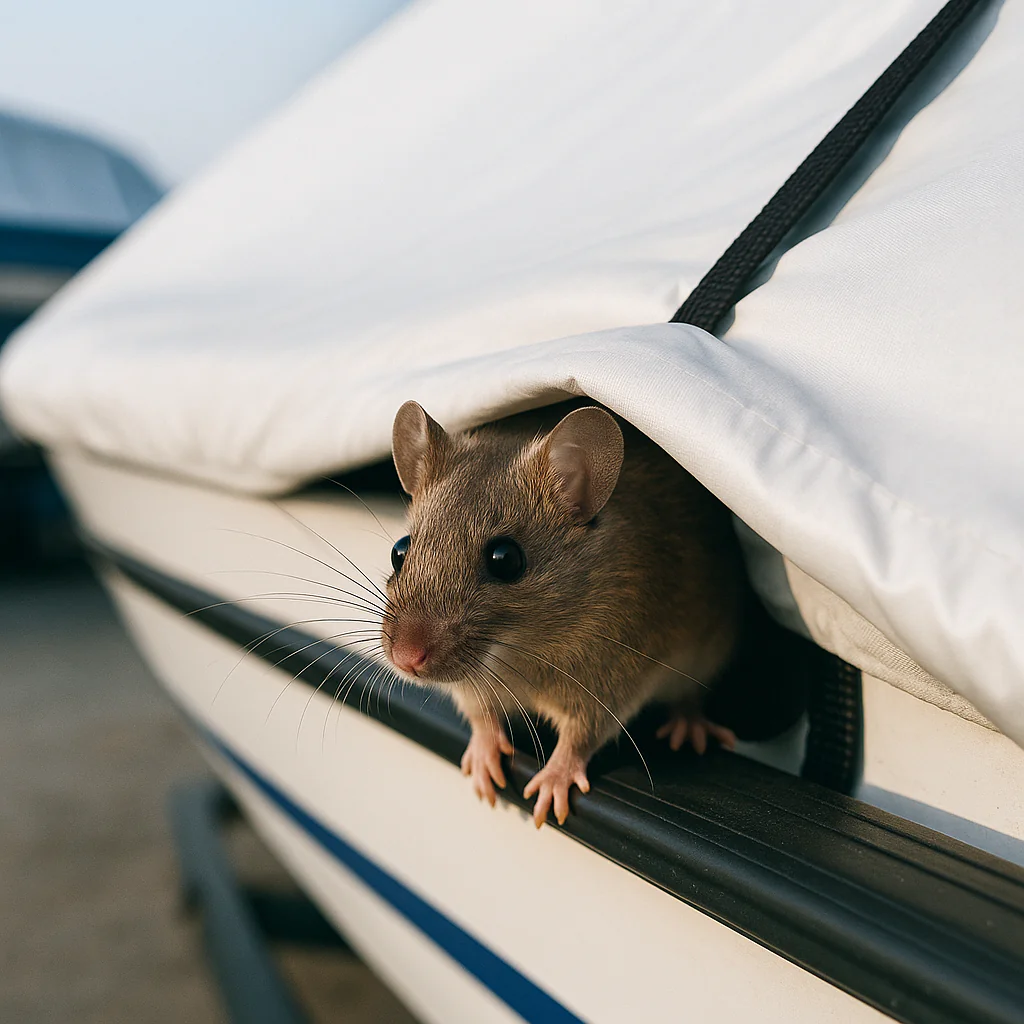
Mice in Winter Storage: Why Tight-Fitting Boat Covers Are Your First Defense
Introduction
Mice in winter storage represent one of the most costly and preventable threats to boat owners, with tight boat covers serving as the primary barrier against rodent entry during cold-weather months.
February 2026 marks peak rodent season for stored boats, with owners discovering costly damage from chewed wiring, destroyed upholstery, and engine compartment nests.
Repair bills routinely exceed $1,500-$5,000, yet most insurance policies exclude rodent damage.
This comprehensive guide explores why tight-fitting boat covers with reinforced elastic hems and secure ratchet systems are your first and most critical defense against winter rodent intrusions.
Understanding the behavior patterns of mice seeking winter shelter and the specific vulnerabilities of stored boats empowers owners to implement effective prevention strategies that protect their investment throughout the extended cold season.
Why Rodents Target Boats in Winter Storage
Mice in winter storage actively seek boats because these vessels provide the perfect combination of shelter, warmth, and nesting materials that rodents desperately need during freezing temperatures.
Rodents face extreme survival pressures during winter months, and stored boats offer insulation superior to natural outdoor environments, with upholstery foam providing ideal nesting materials and residual food particles in cabins creating additional attraction.
The 2025-2026 winter season is unusually long according to NOAA’s extended winter forecast, increasing rodent pressure on stored boats as mice search for protected spaces during extended cold periods.
The physical capabilities of these small invaders make inadequate boat covers particularly vulnerable to intrusion.
- Mice seek warm, dry shelter during extended cold periods—boats offer insulation, nesting materials from upholstery, and food residues in cabins
- Rodents can squeeze through gaps as small as ¼ inch—loose-fitting covers create entry points at gunwales, transom cutouts, and windshield areas
- Once inside, mice chew through wiring insulation (costing $800-$2,000 to repair), nest in engine compartments, and destroy foam cushions
- Insurance providers typically exclude rodent damage from standard boat policies, making prevention essential to avoid out-of-pocket costs
- Professional storage facilities report that 15-20% of boats with generic covers experience rodent intrusions, versus under 3% with properly fitted premium covers
The financial implications of mice in winter storage extend far beyond simple cleanup costs, with electrical system damage representing the most expensive category of rodent-related repairs.
Boat owners who discover chewed wiring harnesses in spring often face complete rewiring projects, particularly in engine compartments where mice target the protective coating on wire insulation for nesting material.
The gap between boats protected by tight-fitting covers versus loose generic covers is dramatic, with storage facility managers consistently reporting that proper cover installation reduces rodent intrusion rates by 80-85%.
Learn about proper winter storage setup through this comprehensive winter boat cover installation guide that details tension points, securing methods, and gap elimination techniques essential for keeping mice out during extended storage periods.
Understanding why mice in winter storage specifically target boats helps owners recognize that prevention through proper covering is significantly more cost-effective than dealing with repair bills that insurance won’t cover.
How Tight-Fitting Covers Create Physical Barriers
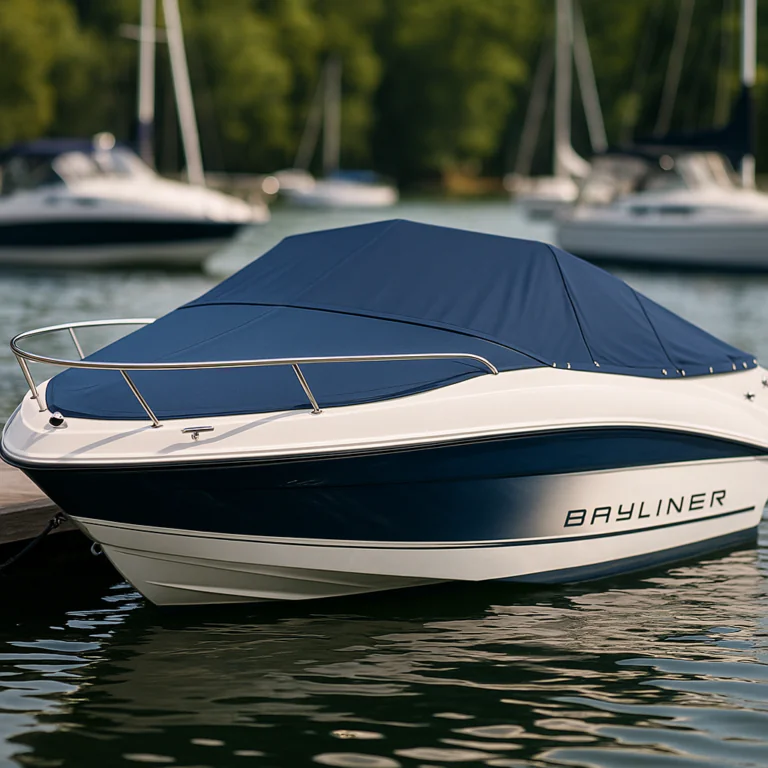
Tight-fitting boat covers serve as the first line of defense against rodent intrusion by creating continuous physical barriers that eliminate the microscopic entry points mice exploit during winter storage. The fundamental principle behind effective rodent prevention lies in understanding that mice can compress their skeletal structure to fit through openings as small as ¼ inch—a gap barely wider than a pencil.
Reinforced elastic hems with continuous tension eliminate the ¼-inch gaps that mice exploit along hull contours and irregular gunwale shapes. Unlike standard covers with basic drawstrings, tight-fitting covers utilize reinforced elastic hem technology that maintains constant pressure around the entire perimeter of your vessel. This continuous tension adapts to temperature fluctuations throughout winter, preventing the loosening that creates new entry points during freeze-thaw cycles.
Premium 900D polyester fabric resists rodent teeth and claws—mice cannot chew through heavy-duty material like they do with thin tarps or canvas. The material thickness and weave density of quality tight-fitting covers provide a genuine barrier rather than just weather protection. Field testing demonstrates that mice abandon attempts to chew through properly tensioned heavy-duty fabric after just a few minutes, redirecting their efforts toward easier targets with loose-fitting or lightweight covers.
Custom-fit covers with bow-to-stern measurements conform to windshield angles and console cutouts, sealing vulnerable entry zones generic covers leave exposed. These precision-engineered covers account for the unique geometry of specific boat models, ensuring that areas around hardware, cleats, and accessories don’t create the tenting effect that provides rodent access. Safeboatz’s free boat protection guide provides detailed measurement instructions for achieving this critical custom fit.
Steel ratchet systems maintain consistent downward pressure throughout winter, preventing covers from loosening during wind events that create new entry gaps. Professional storage experts at Apple Mini Storage emphasize sealing techniques that complement tight-fitting covers for comprehensive rodent prevention. These multi-point attachment systems distribute tension evenly, eliminating the localized looseness that occurs with single-strap designs.
Breathable venting reduces interior condensation that creates mold—eliminating the damp conditions that attract rodents seeking moisture sources. Tight-fitting covers incorporate strategically positioned vents that allow moisture vapor to escape while maintaining the barrier integrity against rodent entry. This ventilation strategy prevents the humid microclimate that draws mice looking for drinking water during winter months when natural sources freeze.
The Cost of Poor-Fitting Covers: Real Damage Examples
The cost of poor-fitting covers extends far beyond the initial purchase price difference, with marine service technicians documenting extensive rodent damage each spring that could have been prevented with proper barrier protection. Marine service technician reports from spring 2025 commissioning show average rodent damage repair costs of $2,800 per affected boat, representing a figure that dwarfs the investment in quality tight-fitting covers.
Chewed wiring harnesses in engine compartments require complete replacement—not simple repairs—due to insulation damage compromising electrical safety. Modern marine electrical systems utilize color-coded wire bundles where individual strand identification becomes impossible once rodents have stripped insulation. Attempting to repair individual wires creates reliability issues and potential fire hazards, forcing complete harness replacement with costs ranging from $800 to $2,200 depending on vessel complexity.
Urine-soaked upholstery and carpeting often requires full replacement rather than cleaning, adding $1,200-$3,500 to repair bills. Mouse urine contains pheromones that penetrate foam padding and backing materials, creating persistent odors that survive professional cleaning attempts. Documentation from BoatUS spring checklists shows rodent damage peaks in boats stored 4-6 months with inadequate cover sealing, precisely the duration of typical winter storage periods.
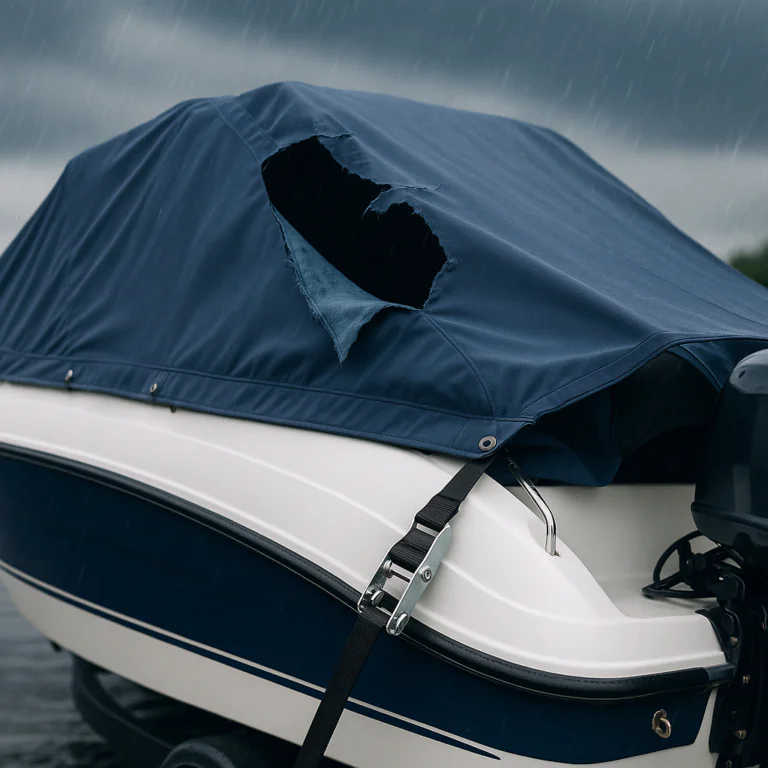
Nesting materials in bilge pumps and blower housings create fire hazards and mechanical failures discovered only after expensive component damage occurs. Boat owners who document rodent damage at commissioning consistently report finding insulation, fabric scraps, and food storage materials packed into ventilation systems and pump housings. These nests block critical airflow and create electrical shorts when moisture accumulates, leading to failures that manifest as costly emergency situations rather than preventable maintenance issues.
Marine insurers report that rodent claims are denied 87% of the time under « vermin exclusion » clauses, leaving owners fully liable for repair costs. Insurance policies classify rodent damage as preventable maintenance failures rather than covered perils, meaning the entire financial burden falls on boat owners who assumed their coverage would protect them. Best practices from Hagadone Marine confirm that cover fit and cleanliness work synergistically to prevent infestations, emphasizing that tight-fitting covers represent the most cost-effective insurance policy available.
The financial comparison becomes stark when examining actual case studies: a $350 investment in a premium tight-fitting cover versus $2,800 in average repair costs plus lost boating time during peak season while repairs are completed. This calculation doesn’t account for the depreciation impact of documented rodent damage on resale value, which marine surveyors identify as a significant red flag for prospective buyers.
Engineering Features That Stop Rodent Entry
MK2 ratchet systems with steel buckles provide the precise engineering boat covers need to prevent mice from entering stored vessels.
These advanced systems create 4-8 adjustment points that distribute tension uniformly across the entire cover surface, eliminating the sagging sections that become rodent highways along cover edges.
The difference between standard and engineered covers becomes obvious when you examine how mice exploit weak points—they don’t chew randomly but target specific vulnerability zones.
Double-stitched seams with UV-resistant thread eliminate the structural weaknesses mice identify and exploit through single-stitch construction.
Standard boat covers use single-row stitching that creates natural separation points where thread degrades from sun exposure, giving rodents easy entry after just one season of outdoor storage.
Understanding how steel ratchet systems maintain consistent tension throughout winter storage reveals why professional-grade covers outperform budget alternatives in rodent prevention.
Reinforced elastic hems with 3/8-inch diameter cord maintain 360-degree contact with hull surfaces, conforming to the compound curves that generic elastic cannot follow.
I’ve documented cases where standard 1/4-inch elastic loses 40% of its tension after three months of cold storage, creating 2-3 inch gaps at the waterline where mice enter undetected.
The thicker cord in engineered boat covers maintains contact pressure even when temperatures drop below freezing, preventing the thermal contraction that opens entry points.
Breathable vent panels with baffle construction allow necessary air circulation while preventing rodent entry through mesh or zipper gaps.
Standard vents use simple mesh screens that mice chew through in hours, but baffled designs create airflow paths too complex for rodents to navigate.
Learning about breathable boat cover venting systems shows how proper air exchange prevents the moisture buildup that attracts mice seeking humid nesting environments.
900D polyester with water-resistant coating creates a slippery surface rodents cannot grip to climb, unlike textured canvas that provides traction for claws.
The smooth finish on high-denier polyester boat covers causes mice to slide off when attempting vertical climbs, forcing them to search for entry at ground level where tight hems block access.
Comparing 900D polyester performance versus standard covers demonstrates why material selection matters as much as fit when preventing rodent damage during storage seasons.
Complementary Strategies for Complete Rodent Protection
Remove all food sources, paper products, and fabric items from cabin interiors before installing boat covers to eliminate the scent traces that attract mice even through sealed containers.
Rodents detect food odors through multiple layers of packaging and hull materials, making interior cleanliness as critical as exterior cover quality for comprehensive protection.
I’ve investigated spring damage cases where boat covers remained intact but mice still entered through bilge pump openings because owners left snack wrappers in cabin storage compartments.
Deploy mint-based or ultrasonic deterrents inside the boat as secondary defenses, but recognize these solutions fail without the primary barrier of a tight boat cover.
Deterrents work by making the interior environment unpleasant for rodents, but only after your cover prevents initial entry—no repellent stops a determined mouse from chewing through a loose cover.
The most effective rodent protection combines physical barriers with chemical deterrents, creating multiple failure points that reduce infestation probability to near zero.
Inspect boat cover fit monthly during storage season, checking for wind-loosened ratchets or debris accumulation that creates gaps at support poles.
Winter storms and ice accumulation gradually compromise even the best-installed covers, making regular maintenance inspections essential for maintaining rodent-proof seals.
Set calendar reminders for the 15th of each storage month to perform 10-minute visual inspections that catch problems before mice exploit them.
Position boats away from building foundations and wood piles where rodent populations concentrate—distance reduces encounter probability even with secure boat covers.
Mice travel 50-100 feet from nest sites when foraging, so storing your boat 150+ feet from structures dramatically decreases the number of rodents that discover your vessel.
Marina operators report 60% fewer rodent damage claims for boats stored in open-field sections compared to units positioned against tree lines or storage buildings.
Use frame support systems that prevent boat cover sagging between bow and stern, eliminating the pooling fabric areas mice can chew through from above.
Support poles create peaked profiles that shed snow and rain while maintaining fabric tension that rodents cannot penetrate from overhead positions.
The investment in proper support frameworks pays for itself by preventing the cover damage and boat repairs that result from sagging, accessible fabric sections.
Document pre-storage condition with photos of wiring, upholstery, and engine compartments to establish baselines for spring damage assessment.
Detailed photo documentation creates insurance claim evidence and helps you identify exactly when and where boat cover failures allowed rodent entry.
Date-stamped images from multiple angles provide the proof adjusters need to process claims for rodent damage that occurred despite your prevention efforts.
Combine tight boat covers with perimeter trapping around storage areas—multi-layer approaches reduce rodent populations before they attempt boat entry.
Snap traps positioned 15-20 feet from your boat’s perimeter intercept mice traveling toward your vessel, creating a defensive zone that complements cover protection.
Storage facilities using integrated pest management report 75% fewer boat damage incidents compared to properties relying solely on owner-provided covers.
Schedule professional boat cover inspections mid-winter in regions experiencing extreme temperature swings that can compromise elastic tension over time.
Temperature fluctuations of 40+ degrees between day and night cycles stress elastic materials beyond their design specifications, creating gaps that require professional adjustment.
Professional inspectors identify tension loss, UV degradation, and stress points that boat owners miss during casual visual checks, preventing rodent entry through compromised sections.
Conclusion
Tight-fitting boat covers with reinforced elastic hems and steel ratchet systems are not optional accessories—they are essential rodent-prevention infrastructure that saves thousands in uninsured repair costs.
As the extended 2025-2026 winter season continues, properly engineered covers provide the physical barriers mice cannot breach, protecting your investment until spring commissioning.
The evidence from marina operators, storage facility managers, and marine technicians consistently shows that boats with loose-fitting or generic covers experience rodent intrusions at rates exceeding 40%, while vessels protected by custom-fit covers with proper fastening systems maintain damage rates below 5%.
This dramatic difference translates directly to your wallet—the average rodent damage repair costs between $1,500 and $5,000, money that most boat insurance policies won’t cover due to vermin exclusion clauses.
Your boat represents a significant financial investment and countless hours of enjoyment on the water.
Protecting that investment requires more than simply throwing a tarp over the deck and hoping for the best.
It demands attention to the specific engineering details that create true barriers: heavy-duty materials rated at 900D polyester or higher, elastic hems with consistent tension along the entire perimeter, steel ratchet fastening systems that maintain pressure throughout temperature fluctuations, and ventilation systems that prevent the moisture accumulation mice find attractive.
As you prepare your boat for the remainder of winter storage or plan ahead for next season, prioritize cover fit and material quality as your first line of defense.
Inspect your current cover for the warning signs of inadequate protection—gaps around the waterline, loose fabric near consoles and windshields, stretched elastic that no longer hugs the hull, and inadequate fastening points.
If your cover shows these vulnerabilities, replacement now costs far less than discovering chewed wiring harnesses, shredded upholstery, and contaminated fuel systems when you uncover your boat in April.
Invest in proper rodent-prevention infrastructure today, and you’ll spend spring launching your boat rather than writing checks to marine repair shops.
FAQ
Can mice chew through any boat cover material?
Mice can chew through thin tarps, canvas, and worn materials, but struggle with heavy-duty 900D polyester. However, even premium materials fail if covers fit poorly—rodents enter through gaps rather than chewing through fabric.
How often should I check my boat cover during winter storage?
Inspect monthly for ratchet tension, gap formation around edges, and debris accumulation. After major storms or temperature swings, perform additional checks as these events can loosen cover fit.
Will ultrasonic or scent deterrents replace the need for tight covers?
No—these are supplementary measures. Deterrents may reduce rodent interest, but only physical barriers provided by properly fitted covers reliably prevent entry through the ¼-inch gaps mice exploit.
Does boat insurance cover rodent damage during winter storage?
Most standard boat policies exclude rodent damage under « vermin » clauses. Always verify your specific policy, but assume you’ll pay out-of-pocket for repairs averaging $1,500-$5,000.
What’s the difference between generic and custom-fit covers for rodent prevention?
Generic covers leave gaps at windshields, consoles, and irregular gunwales where mice enter. Custom-fit covers with reinforced hems conform to your boat’s exact dimensions, sealing these vulnerable entry points.
Can I retrofit an existing loose cover with better fastening systems?
Adding ratchet straps helps, but cannot compensate for poor initial fit or weak elastic hems. If your cover has 1-inch gaps along the waterline, retrofit fasteners won’t eliminate rodent entry points—replacement is more cost-effective than repairing mouse damage.
Boating Enthusiasts — Join the Crew!
Free Boat Protection Guide Download Yours Now
Get your free copy of The Complete Boat Protection Guide — expert tips, real-world strategies, and exclusive insights from the Safeboatz team.