 SafeBOT

Bass Boat Cover Guide: Fit, Fabric & Trailering Checklist
A complete bass boat cover guide covering measuring, trolling motor clearance, console height, fabric, straps, ventilation, trailering checks, storage, care, and common fit mistakes.


Bass Boat Cover Fit: What Matters Most
A bass boat cover has to solve a more specific problem than a generic storage tarp. Bass boats often have low profiles, wide beams, trolling motors, raised electronics, pedestal seat bases, outboards, and sharp hardware around the bow. A cover that is close in length but wrong in shape can flap, rub, pool water, or leave key areas exposed.
The best cover is not simply the thickest fabric or the cheapest listing. It is the cover that matches your measured boat, clears your fishing gear, tensions evenly, and supports how you use the boat: driveway storage, marina storage, winter layup, or trailering.
Measure the Boat Before Choosing a Cover
Start with centerline length and beam width. Measure from the bow tip to the farthest point of the stern along the centerline, not around the curve of the boat. Then measure the widest point of the beam. For bass boats, also note the trolling motor, bow electronics, console height, windshield, outboard position, rails, and seat bases.
If you need the detailed process, use the Safeboatz guide on how to measure a boat for a cover before buying. Guessing by model name alone is one of the fastest ways to end up with a loose or strained fit.
Bass Boat Cover Checklist
- Length range: confirm the cover range matches the measured boat, not just the model name.
- Beam width: check the widest point, including rub rails or permanent hardware.
- Bow gear: account for trolling motors, mounts, and raised fish finders.
- Console height: make sure the cover clears the windshield or console without excessive pressure.
- Fabric: choose a marine fabric with good abrasion resistance and water-shedding treatment.
- Vents: ventilation helps reduce trapped moisture during storage.
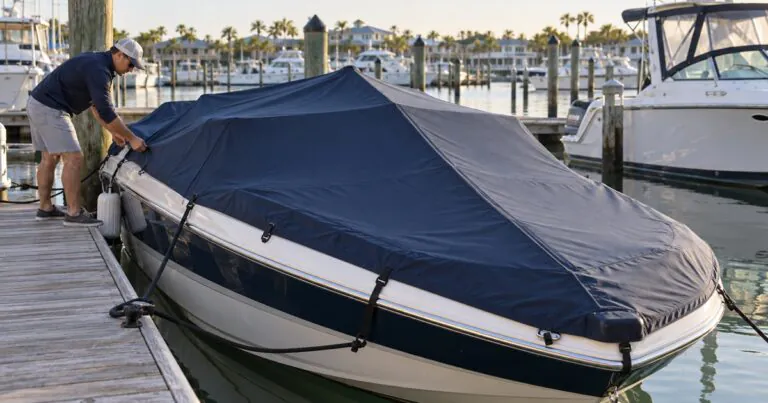
- Straps: outdoor storage and trailering need secure tie-down points and even tension.
Universal vs Semi-Custom vs Fit-Range Covers
Universal covers can work for basic indoor or short-term dust protection, but they often leave extra fabric. Extra fabric is not just cosmetic. It can flap in wind, collect water, and make the cover harder to tension. Semi-custom or fit-range covers usually work better for bass boats because they narrow the fit around common length and beam ranges.
If your boat is in the common 17–19 ft range, compare your measurements with the Safeboatz Storm Series 17–19 ft cover. If you run a larger bass or multi-species boat, compare the Storm Series 20–22 ft cover. The fit decision should come from measurements first, not brand name or guesswork.
Trailering Considerations
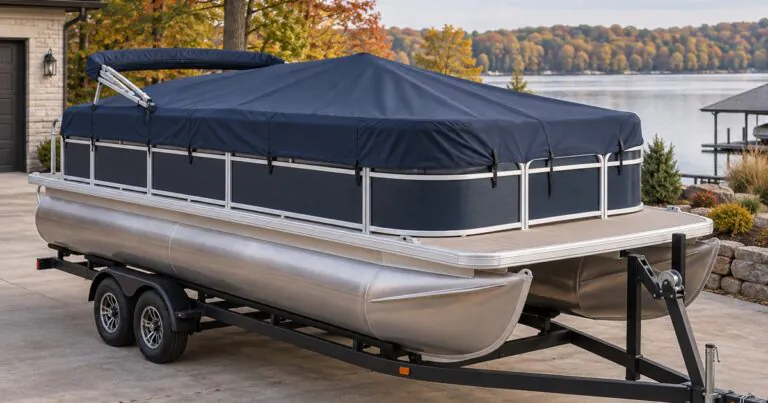
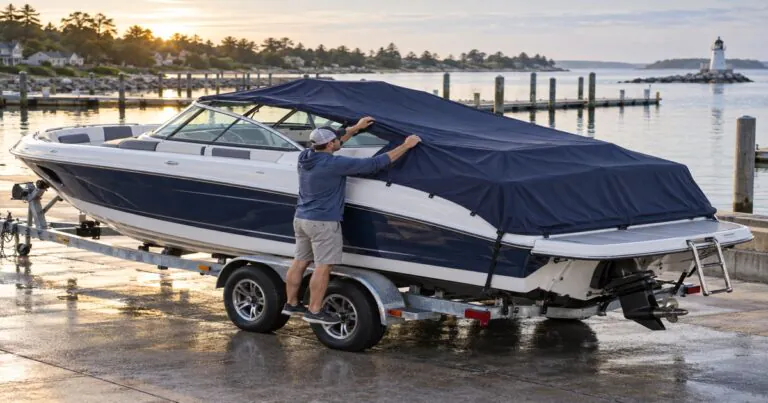
Not every cover should be used on the road. Before towing with any cover installed, confirm that the product is intended for trailering and that the strap system is properly tensioned. Loose fabric can move, rub, and stress seams. Pay close attention to the bow, windshield, console, and stern corners because those areas often see movement.
- Remove or secure loose gear before covering.
- Check that straps are straight, not twisted.
- Use even tension from side to side.
- Stop early in a trip to check whether the cover shifted.
- Do not let fabric rub directly against sharp hardware.
For deeper trailering guidance, see the trailerable boat cover guide.
Fabric, Water Shedding, and Ventilation
Fabric weight and coating matter, but they are only part of the system. A stronger fabric still needs the right fit, support, and airflow. If the cover collapses into a low pocket, water can collect. If the cover seals moisture inside with no ventilation, mildew and odor can become a problem.
Look for a cover that sheds water, resists abrasion at common contact points, and allows airflow through vents or proper cover shape. If the boat is stored outdoors, support poles can help create slope. If the boat is stored for winter, inspect the cover after storms and clear weight before it becomes a bigger problem.
Protecting Fishing Gear and Electronics
Bass boats often carry bow-mounted trolling motors, fish finders, transducers, pedestal seats, and tackle storage. Do not let the cover press hard against expensive electronics or sharp brackets. Lower or remove removable gear where practical. Pad contact points if the cover touches hardware.
Before leaving the boat covered, walk around it and look for obvious stress points. A small rub mark in week one can become a torn area later if wind keeps moving the fabric.
Care Tips That Extend Cover Life
- Clean the deck before installing the cover.
- Let the cover dry before folding it for storage.
- Use mild soap and water unless the manufacturer recommends otherwise.
- Check straps, seams, vents, and corners after storms or towing.
- Do not store the cover while it is wet and dirty.
- Keep sharp tools, hooks, and tackle away from fabric contact points.
Common Mistakes
- Buying by model name without measuring beam and accessories.
- Ignoring trolling motor clearance.
- Choosing a loose cover for trailering.
- Skipping ventilation during long storage.
- Leaving low pockets where water can collect.
- Overtightening one side while the other side remains loose.
FAQ: Bass Boat Covers
Can one cover fit every 18 ft bass boat?
No. Length helps, but beam, console height, trolling motor position, and accessories affect fit.
Is a waterproof cover always better?
Water shedding is important, but ventilation also matters. A cover that traps moisture can still create storage problems.
Should I cover the outboard motor too?
Only if the product is designed for that or you use a separate motor cover. Do not assume the main boat cover includes the motor.
What is the best next step before buying?
Measure the boat, photograph the gear that affects fit, then compare the numbers with the product’s stated range.
Final Take
A good bass boat cover protects by fit, not just by fabric. Measure the boat, account for fishing gear, choose the right range, tension the cover evenly, and inspect it after weather or towing. That combination is more reliable than buying the first cover that matches the model name.
Helpful next step: download the free Safeboatz Boat Protection Guide before you compare sizes, or start with the Storm Series 17–19 ft cover if your measurements match that range.
Related bass boat and trailering resources
Bass boats often have accessories that change cover fit, so use this guide with the Safeboatz measuring checklist, trailerable cover guide, and strap and wind-control guide. If your boat falls in the current product range, compare the 17–19 ft Storm Series cover.
For outside safety context, review NHTSA trailering and towing guidance and the BoatUS expert advice archive.
Boating Enthusiasts — Join the Crew!
Free Boat Protection Guide Download Yours Now
Get your free copy of The Complete Boat Protection Guide — expert tips, real-world strategies, and exclusive insights from the Safeboatz team.