 SafeBOT

Boat Covers 20-22ft: Complete Guide to Fit, Materials & Care

Boat Covers 20-22ft: Expert Guide to Fit, Materials & Care
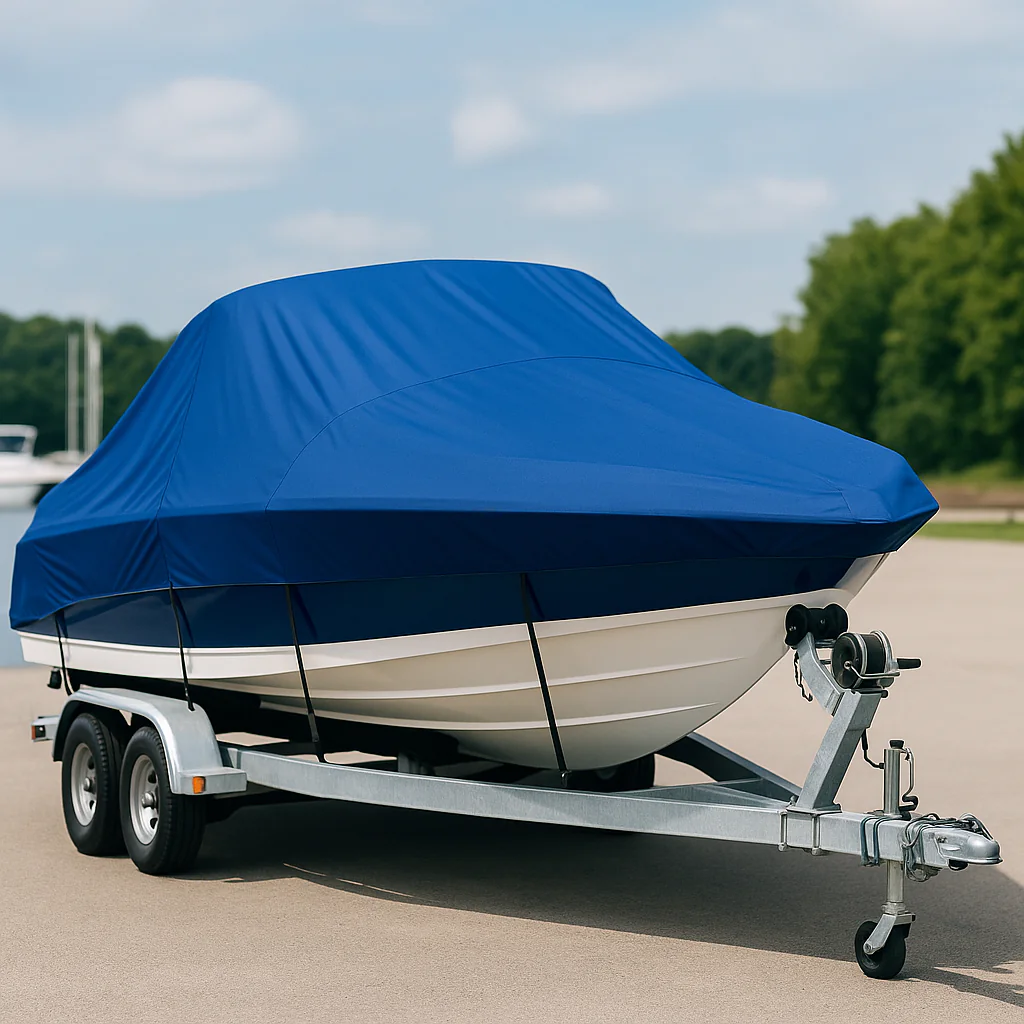
Boat covers 20-22ft should be your first line of defense whether you trailer, moor, or store your boat for months at a time, and this guide walks you through fit, materials, installation, and long-term care so you avoid common mistakes and protect your investment. In this article you’ll learn how to choose between universal and custom options, how to measure LOA and beam accurately, which fabrics and denier ratings matter, and step-by-step installation tips to prevent water pooling and wind damage. Before you buy, bring a tape measure and check our measuring guide so your measurements match the seller’s size chart, and review official seasonal advice from NOAA for storm and weather planning.
How to choose the right cover for 20–22ft boats
Choosing the right cover for boat covers 20-22ft starts with defining the primary use: trailerable, moored, or long-term storage. Each use case demands different features. For trailering you need reinforced tie-downs, abrasion-resistant fabric, and strong ratchets. For mooring you want breathable vents, UV-stable coatings, and corrosion-resistant hardware. For long-term storage select materials with proven UV and mildew resistance and consider a custom fit for full protection.
Types of covers (trailerable, mooring, shrink-wrap, custom)
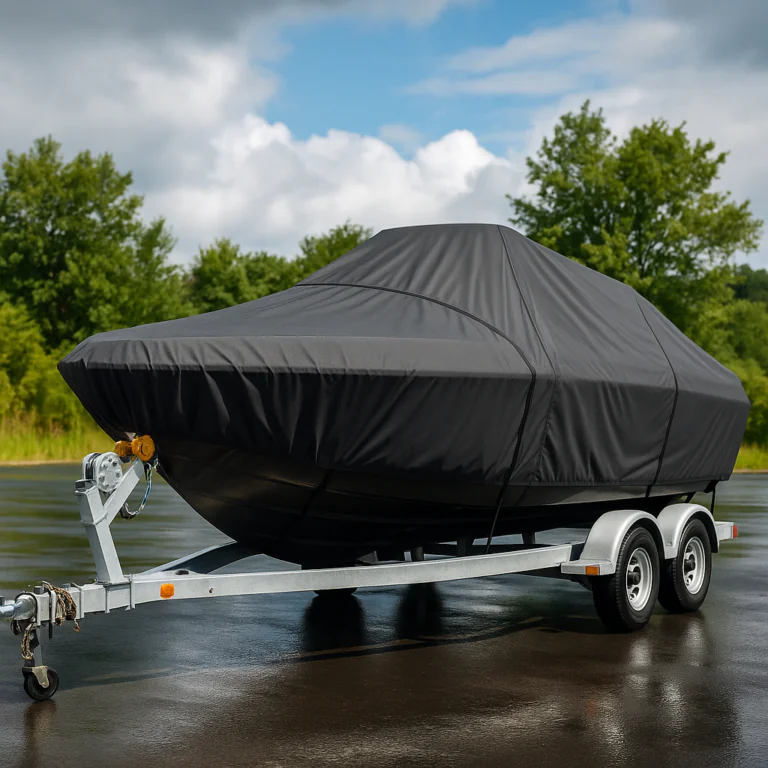
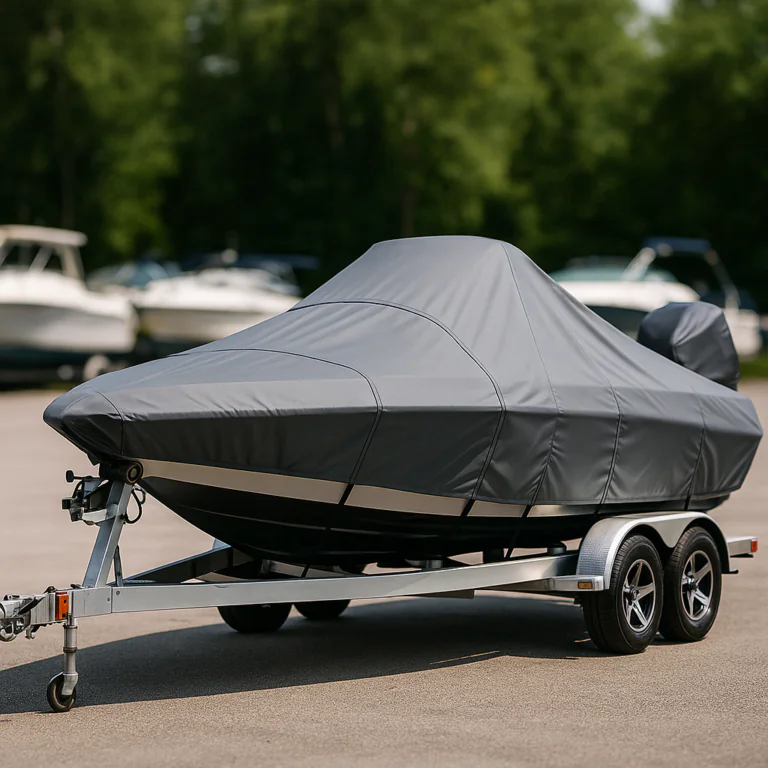
There are four common cover types and each serves a precise need. Trailerable covers are reinforced at stress points and use ratchets or reinforced straps to stay secure at highway speeds. Mooring covers focus on breathability and corrosion-resistant fittings to avoid trapped moisture. Shrink-wrap is excellent for long-term winter protection but requires professional application and ventilation planning. Custom covers give exact protection for unusual towers or platforms at a higher cost. Example scenarios: a bass boat that hits highways benefits from a 900D trailerable cover; a pontoon that sits tied at a dock needs a mooring cover with vents. Common buying mistakes include choosing shrink-wrap without planning vents and assuming universal covers will handle highway speeds.
Materials & denier explained (600D vs 1200D, 210D, PU/PVC coatings)
Material choice dictates lifespan and performance. 210D fabrics are lightweight and budget-friendly but less abrasion resistant. 600D is the balanced choice for many owners: affordable, durable for occasional trailering. 1200D and heavier marine-grade options provide superior abrasion resistance for frequent trailering or rough storage. Coatings matter: PU coatings are breathable and flexible, while PVC coatings can offer stronger waterproofing but may trap moisture without vents. Always check seam construction: double-stitched seams and taped or welded seams drastically affect real-world waterproofing.
Key features to look for (vents, seams, straps, reinforced areas)
Prioritize these features when shopping: breathable vents to reduce condensation; double-stitched seams and taped seam tape for waterproofing; reinforced tie-downs and strap routing to avoid hull chafe; motor pockets and elastic hems for fit. Also look for UV-resistant fabric, reflective strips for safety, and replaceable hardware. Use this quick checklist to compare models:
- Use case: trailer, moor, or storage
- Material & denier: 600D, 900D, 1200D
- Ventilation: number and placement
Price bands are practical: budget $50–$120 for light use, mid $120–$250 for balanced protection, premium $250+ for long-term value and custom fits. Always read warranty and return policy details before purchase and verify whether the seller covers shipping and custom measurement mistakes.
Cost, warranty and when to buy custom vs universal
Choose custom when your boat has towers, unique consoles, or you need long-term storage protection: custom pays off over time by preventing repeated repair costs. Universal covers are fine when budget or multiple boat lengths are a priority. Check warranty terms: look for at least a 1-year standard warranty and options for extended protection. Before purchase, document your boat dimensions and photograph unique features—many warranties require photos for claims. Practical evaluation steps: compare material, seam construction, hardware quality, and the seller’s return window.
Exact measuring & fit checklist for 20–22ft boats
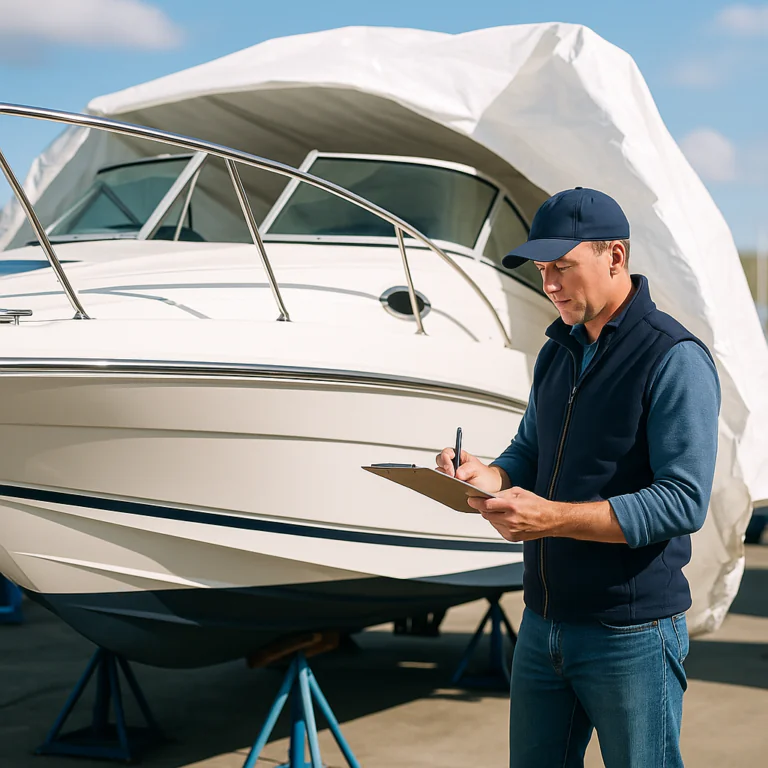
Accurate measurement is where most buyers fail; a poorly fitted boat covers 20-22ft will sag, pool water, and abrade gelcoat. Always measure your boat’s LOA, beam, and highest point with accessories installed as you would when covered. Use a tape measure and note measurements in inches. If you plan to order online, keep your notes and photos handy to match manufacturer sizing precisely—never rely on nominal length alone.
Which length to use (LOA vs cover size) and why it matters
LOA (length overall) is the physical measurement from bow tip to stern. Manufacturers’ cover sizes often use nominal ranges; choose a cover that allows a 6–12 inch overlap beyond the widest points. Using LOA ensures the cover reaches bow and stern properly. If your LOA is 21’2" choose a 20–22ft cover only if the beam and height fit—otherwise opt for a wider cut or custom. Remember that a cover labelled “20–22ft” is built to fit an LOA range but may vary by brand cut, so cross-check beam allowances.
How to measure beam, height, and accessories (motors, towers, rails)
Measure beam at the widest external point including rub rails and any attachments. Measure height from the keel or trailer bunks to the highest fixed point like a T-top or radar arch. Note accessories: motors, ski poles, pulpits, and swim platforms add length and height. Tally all projections and record them. When ordering, add the extra 6–12" overlap recommendation and specify whether the motor will be tilted up or down—tilt affects required cover drop.
Fit adjustments for specific boat types (V-hull, pontoon, center console)
Each hull type fits differently. V-hulls often need more depth at the centerline; center consoles require accommodation for consoles and leaning posts; pontoons need width allowances and separate skirt panels for side tubes. For pontoons, check for pontoon-specific designs or choose a custom cut that includes floor straps and pontoons tubing coverage. Use these examples when deciding: a wide-beamed 21′ pontoon will typically need a wider-cut 20–22ft cover or a custom fit for snug protection.
Quick-fit decision flow (size chart + troubleshooting)
- Measure LOA, beam, height, and accessories precisely.
- Compare to the manufacturer’s size chart and pick the closest match with 6–12" overlap.
- If beam or height exceeds chart, choose custom or the next size up.
Common troubleshooting: if the cover sags in the midsection, add support poles; if straps chafe the hull, reroute under the trailer frame or use chafe guards. For additional measurement guidance refer to our product page for common fit notes and cut diagrams.
Installation, securing & ventilation best practices
Proper installation keeps a cover functional and prevents damage. Whether you install a trailerable cover before a road trip or a mooring cover before storage, follow consistent steps and use recommended hardware. Vents, support poles, and correct strap routing are critical to prevent condensation and pooling. When a storm threatens, secure all points and monitor weather forecasts from the National Weather Service for local marine alerts so you can adjust straps and supports in time.
Step-by-step install for trailerable covers
- Center the cover fore-to-aft and side-to-side over the boat.
- Attach bow and stern straps first and snug them—do not over-tighten.
- Route straps under the trailer frame and use edge protectors to avoid chafe.
- Use ratchets or buckles to achieve even tension; stow excess strap inside a pouch.
Use support points to prevent cover movement at highway speeds and inspect straps after the first short trip. If you trailer frequently, prefer higher denier fabrics and reinforced seam construction to resist abrasion.
Securing for moored boats and dock safety
Mooring needs different hardware: secondary tie-offs, corrosion-resistant clips, and dock-friendly strap routing. Never run straps over delicate trim or through hatches. Use dock lines for cover anchors and consider quick-release points for rapid removal. A simple 5-item storm checklist helps: double straps, vents checked, supports installed, electronics removed, motor tilted and secured.
Venting, support poles, and preventing water pooling
Vents reduce internal humidity and condensation. Place vents at opposite ends and near high points; use two or more spaced vents for cross-flow. Support poles at low points create drainage slopes and avoid water pools. If water pools persist, add ridge supports and tighten the hem so water runs off instead of collecting mid-hull.
Winter and storm prep: straps, snow load mitigation, and anchors
For snow, use angled supports and remove heavy accumulation frequently. Avoid flat horizontal sections that collect wet snow. Reinforce straps and add chafe guards where straps contact gelcoat. Before a storm, check all connections and forecasted wind loads using official storm resources and plan removal if conditions exceed your cover’s rated capacity.
Tip from experienced installers: always route straps under the trailer frame when trailering; it reduces chafe and keeps the cover snugest where it counts.
Care, repair, and lifespan — make your cover last
Regular maintenance extends the life of boat covers 20-22ft. Clean, dry, and store covers correctly between seasons. Avoid household detergents or bleach that break down coatings—use mild soap and cold water. Inspect seams, grommets, and zippers frequently and fix small issues quickly to avoid larger failures.
Cleaning, drying, and storage routines by season
Seasonal routine: wash off salt and grime with fresh water, use mild marine soap for stains, rinse thoroughly, and air-dry completely before packing. Store in a breathable bag in a cool, dry place. For winter storage, ensure vents are clear and support poles are installed to prevent sagging under snow. Document serial numbers and photos for warranty records before storage.
Patch, seam and zipper repair: DIY vs professional fixes
Small tears can be patched with marine-grade repair kits: clean the area, apply adhesive patch from the inside, and reinforce with seam sealer. For seam failures, welded or taped seams may require professional repair to restore waterproofing. Replace damaged zippers with marine-grade replacements when possible; large hardware or multiple failures are a sign to consult a pro.
When to replace your cover (inspection checklist)
- Fabric thinning or holes that reappear after patching
- Frayed stitches at stress points
- Leaking despite tape or seam treatments
- Hardware corrosion that can’t be replaced
Typical lifespans: budget polyester 2–5 years in full sun, heavy-duty marine fabric 5–10+ years depending on exposure and care.
Environmental & warranty considerations (UV, mildew, returns)
UV damage and mildew are the usual culprits for premature failure. Use UV-protective coatings and ensure full drying before storage to avoid mold. When filing warranty claims, follow the seller’s process—document damage clearly and preserve receipts. For guidance on proper disposal of cleaners and chemicals used during maintenance consult the EPA guidance.
Pro tip: photograph any defect with a ruler and dated timestamp before contacting warranty support; it speeds claims and clarifies responsibility.
Quick comparisons, shopping checklist & FAQs
Quick decisions are easier with a compact comparison and a 10-point shopping checklist focused on your boat’s use and measurements. Below are side-by-side notes and a printable checklist you can use when buying online or in-store.
Universal vs custom — pros, cons and scenarios
Universal covers are cheaper and flexible across boats but often sacrifice fit. Custom fits cost more yet eliminate sagging, reduce water pooling, and protect unusual gear. Scenario: If you swap covers between boats, universal may win. If you have a tower, custom is usually worth the upcharge.
Material comparison table (durability, breathability, price)
- 210D: lightweight, breathable, low price.
- 600D: balanced durability and cost; good for many owners.
- 1200D+: high abrasion resistance, best for frequent trailering.
10-point buying checklist for 20–22ft boat covers
- Confirm exact LOA and beam.
- Check material and denier rating.
- Verify venting and support options.
- Inspect seam construction and coatings.
- Look for reinforced tie-down points.
- Confirm motor pocket and accessory allowances.
- Check warranty and returns.
- Review hardware corrosion resistance.
- Read user reviews for real-world fit notes.
- Keep photos and measurements on file.
Short FAQs (fit, vents, motor covers, returns)
Can a 20–22ft cover fit a 19.5ft boat? Often yes, if beam and height are within the cover’s allowances. Should vents be included? Yes—venting prevents mildew and condensation. Do you need a motor pocket? If you trailer frequently or motor extends behind the transom, a motor pocket keeps fabric from rubbing. What about returns? Always confirm the seller’s return window and whether return shipping is covered.
Before you buy, download a checklist, measure carefully, and decide on the material and type based on use-case scenarios outlined above. For additional diagrams and fit notes consult our waterproof details and product pages.
Conclusion
Choosing the right boat covers 20-22ft comes down to accurate measurements, matching cover type to primary use, and maintaining ventilation and support to prevent damage. Measure LOA, beam, and height, select material and denier suited to your trailering or mooring needs, and follow installation and care routines to extend service life. Save your measurements and photos before ordering, check warranty and return policies, and use the 10-point checklist above to make a confident purchase. For seasonal planning and storm awareness keep weather resources handy and rely on measurement guides when in doubt: measure carefully, choose the right type, secure properly, and maintain seasonally for the best long-term protection.
For further fit diagrams or to see tailored product notes, visit our winter advice and product pages before you buy.
Frequently Asked Questions
What color boat cover lasts the longest?
Light colors like white, tan, or beige generally last longest in sunny conditions because they reflect heat and UV rather than absorbing it. In practical terms, choose a cover with strong UV protection and a durable fabric coating, since color alone won’t prevent sun damage; the material and finish matter more. Darker covers can hide stains but may heat up, accelerating wear and fading. You should also consider local conditions—if you see lots of dirt or tree sap, a slightly darker shade can reduce visible staining while you maintain the cover regularly to extend its life.
How many people can fit on a 22ft boat?
A 22-foot boat typically carries between six and ten people, but the exact number depends on the boat’s design and weight capacity, so always check your capacity plate and weight limit before boarding. Layout matters: a bowrider with bench seating might fit more passengers than a fishing boat with heavy equipment. You should also distribute weight evenly and account for gear, fuel, and cooler weight; use the manufacturer’s specifications or a certified calculation to confirm safe numbers. When in doubt, prioritize safety and fewer people with proper life jackets.
What is the best boat cover to buy?
The best boat cover for you matches your boat’s size, how and where you store it, and local weather conditions. Look for a cover with a snug custom fit or a well-designed universal fit that secures properly, and pick materials suited to your climate—breathable fabrics for damp areas, heavier coated fabrics for sun and abrasion. Check for reinforced tie-down points, taped seams, and good ventilation to prevent mildew. You should balance durability, breathability, and ease of use; a well-fitting, purpose-built cover will protect your boat far better than a cheap, ill-fitting option.
What is a good thickness for a boat cover?
A good thickness depends on material and use, but a practical guideline is to choose moderate to heavy weights that match your environment; many people aim for mid-range denier or g/m² ratings to balance durability and flexibility. Look for around 600–1200 denier or roughly 200–300 g/m² equivalents for all-purpose protection, with heavier options for harsh sun or abrasion. Remember that construction, coatings, and breathability matter as much as thickness—reinforced stitching, taped seams, and a breathable design will keep moisture and wear under control while extending cover life.
Boating Enthusiasts — Join the Crew!
Free Boat Protection Guide Download Yours Now
Get your free copy of The Complete Boat Protection Guide — expert tips, real-world strategies, and exclusive insights from the Safeboatz team.