 SafeBOT

Boat Covers by Model: Fit, Measuring & Buying Guide
A practical boat covers by model guide explaining model-year fit, measurements, beam, layout differences, universal vs semi-custom covers, trailering, and buying checks.

Boat Covers by Model: Fit, Measuring & Buying Guide
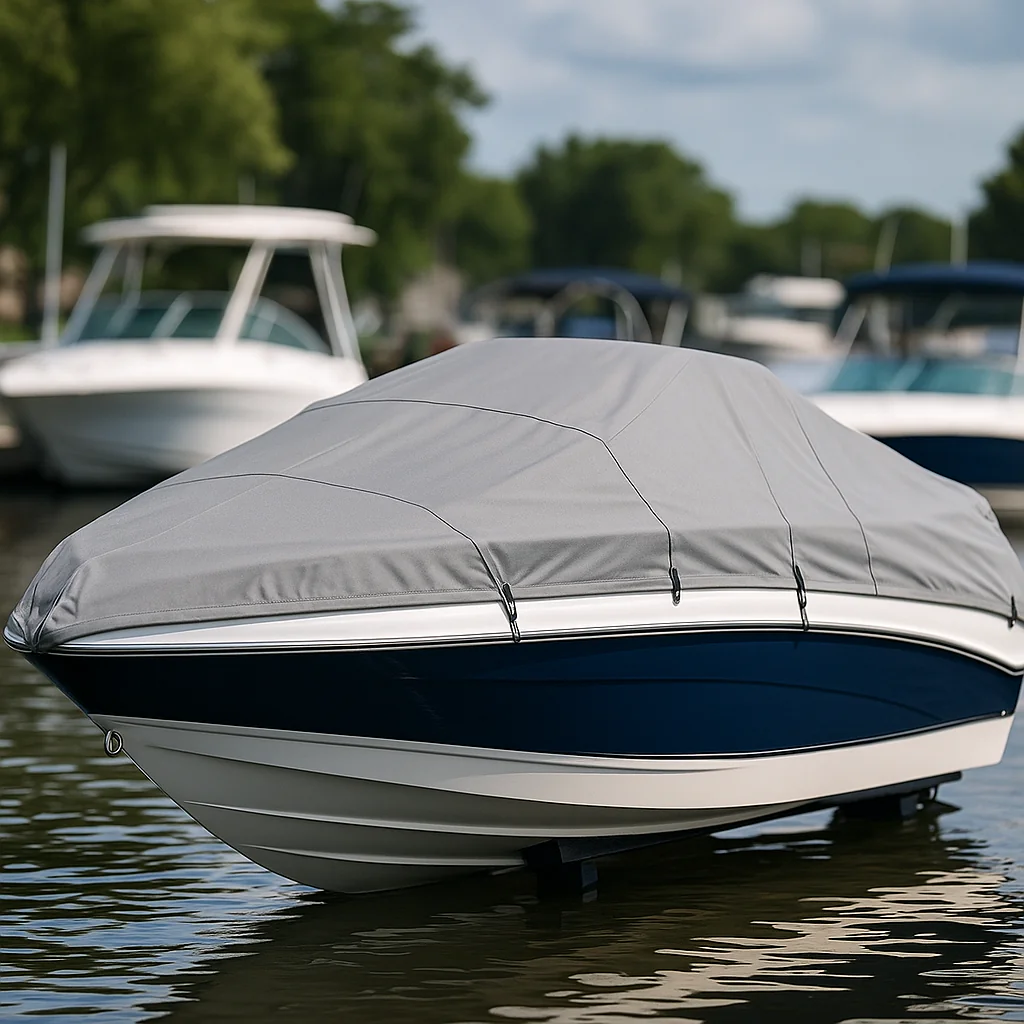
Searching for boat covers by model can be helpful, but model name alone is not always enough. Boats with the same model family can vary by year, layout, console style, motor position, beam, accessories, and aftermarket hardware. A good model-based cover search still needs measurement checks.
This guide explains how to use model information wisely while avoiding the common mistake of assuming every listing with your boat model will fit perfectly.
Why Model-Based Cover Searches Are Useful
Model-based searches help narrow the field. They can identify covers shaped for common hull styles, deck layouts, and length ranges. They are especially useful when the manufacturer or seller provides fit notes by brand, model, year, and configuration.
- They reduce the number of irrelevant universal listings.
- They can identify common fit ranges faster.
- They may account for hull style or console layout.
- They can surface model-specific accessories or motor-area notes.
But a model match is a starting point, not the final verification.
Why You Still Need Measurements
Even if a listing names your model, measure the boat before ordering. Accessories, seat positions, trolling motors, towers, rails, outboards, and windshields can change how a cover sits.
- Overall length from bow tip to transom.
- Beam at the widest point.
- Console and windshield height.
- Outboard or stern configuration.
- Bow-mounted trolling motor and electronics.
- Any added rails, towers, seats, or rod holders.
Use the Safeboatz measuring guide before relying on any model-based listing.
Model Year and Layout Differences
Boat builders often change layouts between years. A center-console version may not fit like a side-console version. A bass boat with a bow-mounted trolling motor may need different clearance than a runabout of similar length. A cover that fits one year may not fit another if the beam or deck hardware changed.
When reading a listing, look for year ranges, layout notes, motor-area details, and whether the seller asks for measurements before confirming fit.
Universal vs Semi-Custom vs Model-Specific
Each fit type has tradeoffs.
- Universal covers: flexible and often cheaper, but usually looser and less precise.
- Semi-custom covers: designed around common boat categories and size ranges.
- Model-specific covers: closer fit when the listing accurately matches year and configuration.
For outdoor storage or trailering, a tighter fit is usually more important. For light indoor dust protection, a universal cover may be enough.
What to Check in a Model-Based Listing
- Exact model name and year range.
- Length and beam compatibility.
- Motor coverage or transom cutoff.
- Console/windshield clearance.
- Fabric type and water-resistance details.
- Ventilation and support-pole compatibility.
- Strap system and trailering rating.
- Return policy if fit is wrong.
If a listing gives only a model name with no measurements, verify carefully before ordering.
Fit Problems to Watch For
- The cover is long enough but too narrow at the beam.
- The cover bridges over the console and creates a low pocket behind it.
- The stern area leaves gaps around the outboard or swim platform.
- Straps land in awkward trailer positions.
- The cover rubs against trolling motor brackets or windshield corners.
- The fabric fits in storage but flaps during trailering.
These issues usually come from relying on model name without checking the boat’s actual shape.
Buying by Boat Type
If model-specific information is limited, use boat type plus measurements. A bass boat, center console, bowrider, pontoon, and runabout all need different fit assumptions.
For bass boats, see the bass boat cover guide. For 17–19 ft boats, see boat covers 17–19 ft. For 20–22 ft boats, see boat covers 20–22 ft.
Storage and Trailering Considerations
Model fit is not the only decision. Think about where the boat will be stored and whether the cover will be used on the road.
- Outdoor storage needs drainage, UV resistance, ventilation, and support.
- Winter storage needs slope, moisture control, and inspections.
- Trailering needs secure tension, reinforced straps, and low flap.
- Indoor storage may only need dust and light debris protection.
The trailerable boat cover guide explains road-use considerations.
Model-Based Buying Framework
Searching for boat covers by model is a useful shortcut, but it should be treated as a starting point rather than final proof of fit. Boat manufacturers can use the same model name across several years while changing the beam, windshield shape, seating layout, transom details, or factory options. Dealer-installed accessories can change the fit even more.
Use model information to narrow your list, then verify measurements and layout. The safest workflow is: identify the exact make, model, and year; check the boat’s current layout; measure length and beam; compare the cover’s shape and intended boat type; then decide whether the cover is appropriate for storage, trailering, or both.
Information to collect before ordering
- Make, model, model year, and hull style.
- Overall length and beam measured on the actual boat.
- Console, windshield, seat, rail, and tower details.
- Whether the cover must include the outboard or platform area.
- Where the boat will be stored and whether it will be trailered covered.
How to Compare Listings Without Guessing
When two listings both mention your boat type, compare the measurements, not just the headline. A good listing should make the compatible length and beam clear. It should also explain whether the cover is meant for a broad boat category, a semi-custom fit, or a specific pattern. If a listing only says “fits 20 ft boats” without beam or layout context, keep looking for better data.
Also review the strap system and support expectations. A model-matched cover still needs correct tension and drainage. If your boat has a taller profile than the listing photos, the fabric may pull at the windshield or leave the stern short. That is a fit issue, not an installation issue.
Checklist for Common Boat Types
- Bass boats: check trolling motor, pedestal seats, consoles, and low-profile bow shape.
- Bowriders: check windshield height, swim platform, and stern seating shape.
- Center consoles: check console height, rails, leaning post, and antenna or electronics clearance.
- Pontoons: check deck length, rail height, and whether the cover is truly shaped for pontoons.
- Fishing boats: check raised seats, outboard coverage, and accessories mounted near the gunwale.
Owner FAQ: Boat Covers by Model
Is a model-specific cover always better?
It can be better when the pattern matches your exact boat and options. A well-sized semi-custom cover can be a better choice than a poor model match, especially if your boat has aftermarket accessories.
What if my model year is missing?
Measure the boat and compare layout details instead of forcing a match. If the hull and deck changed between years, the older listing may not fit correctly.
Can I use photos to judge fit?
Photos help, but they are not enough. Use them to compare shape and coverage, then confirm with length, beam, height, and strap layout.
Where Safeboatz Fits
Safeboatz focuses on practical size ranges and trailerable fit checks rather than relying only on model names. If your boat falls into a common size range, compare the 17–19 ft trailerable cover or 20–22 ft trailerable cover. Download the free boat protection guide if you want a checklist before choosing.
FAQ
Is buying a boat cover by model enough?
Not always. Model information helps, but you should still check length, beam, year, layout, and accessories.
Why does the same model sometimes need a different cover?
Different years, console layouts, motor setups, and aftermarket accessories can change the boat profile.
Are universal boat covers bad?
No. They can work for light use, but they usually require more fit checking and may not be ideal for trailering or harsh storage.
What if my model is not listed?
Use boat type, length, beam, and profile measurements. Compare those against the cover’s stated fit range.
Should I prioritize model match or measurement match?
Use both. A model match is helpful, but measurements confirm whether the cover is likely to fit your actual boat.
Final Take
Boat covers by model are useful, but they are not a shortcut around measurement. Use the model name to narrow choices, then verify length, beam, year, layout, accessories, storage use, and trailering needs before ordering.
Related fit and measuring resources
Model-based cover shopping still starts with a careful fit check. Compare this guide with Safeboatz resources on measuring a boat for a cover, trailering with a fitted cover, 17–19 ft cover fit, and 20–22 ft cover fit.
For neutral safety and ownership context, review U.S. Coast Guard boating safety resources and NHTSA trailering and towing guidance.
Boating Enthusiasts — Join the Crew!
Free Boat Protection Guide Download Yours Now
Get your free copy of The Complete Boat Protection Guide — expert tips, real-world strategies, and exclusive insights from the Safeboatz team.