

SafeBOT
Welcome aboard! I’m SafeBOT, your virtual assistant.
How can I help you today?
SafeBOT is typing...

Boat Trailer Tire Blowout Prevention for Spring 2026

Trailer Tire Blowouts & Hub Failures Spring 2026: Prevent Roadside Disasters This Launch Season

Introduction

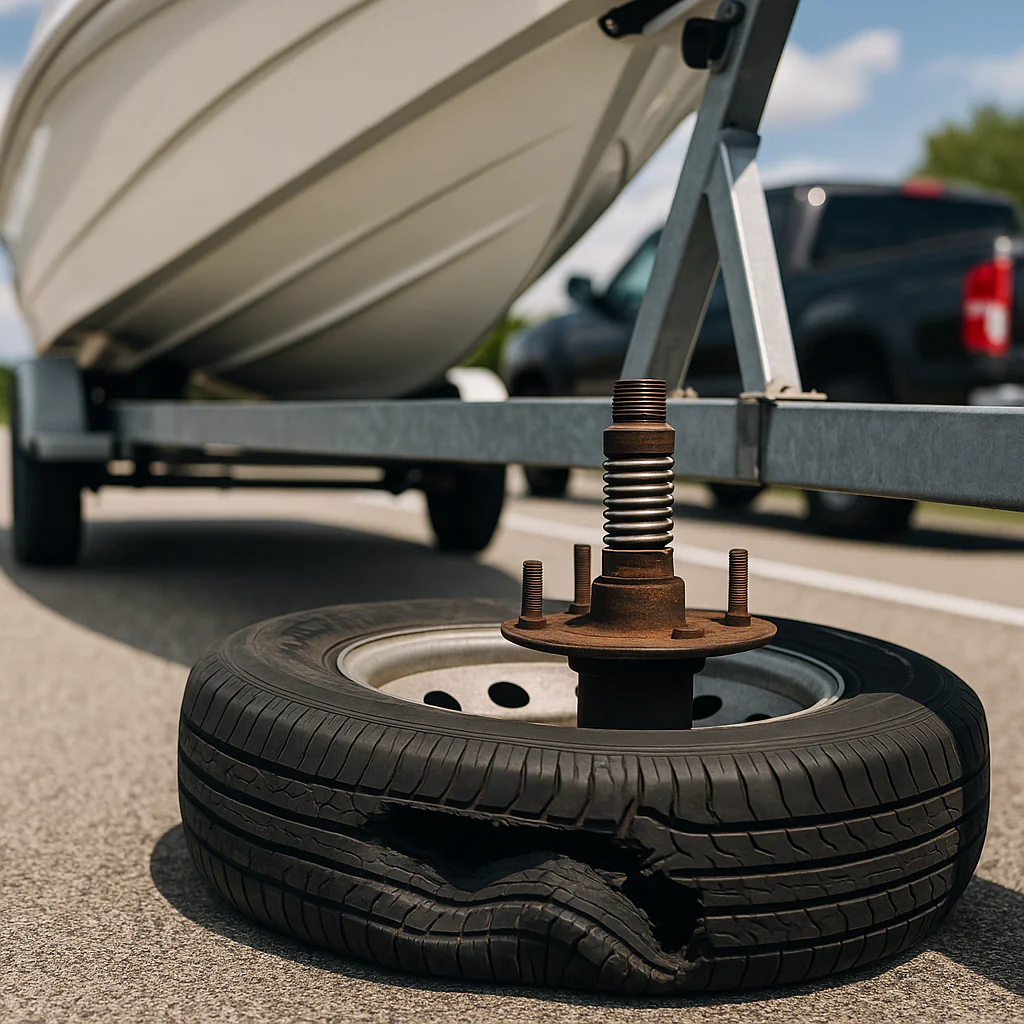
Trailer tire blowouts during Spring 2026 are creating dangerous situations for boaters across the country as March through May marks the peak boat launch season.

Unprepared boat owners face dangerous roadside emergencies, expensive repairs, and damaged boats during what should be an exciting return to the water.

Boat trailer tire blowouts and hub failures are spiking across highways nationwide, catching many boat owners off guard after months of winter storage.

This guide covers the specific failure patterns emerging this spring, why trailer tire blowouts are happening now with such frequency, and the complete prevention strategy that protects both your trailer and your boat during highway transport.

Understanding the root causes of spring trailer failures helps you avoid becoming another roadside statistic this boat launch season.

Why Spring 2026 Is Seeing Unprecedented Trailer Failures

Trailer tire blowouts in Spring 2026 are occurring at unprecedented rates due to several converging factors that create perfect conditions for catastrophic failures.

Winter storage creates dormant bearing grease that hardens and separates, leading to catastrophic hub failures within the first 50-100 highway miles of spring towing.

Tire dry rot from UV exposure and temperature cycling over 4-6 months of storage causes sidewall blowouts at highway speeds when tires appear visually intact to the untrained eye.

March-May temperature swings create particularly hazardous conditions, with freezing nights followed by 70°F days causing rapid expansion and contraction in wheel bearings that accelerates failure rates compared to summer towing.

Increased boat ownership from 2024-2025 means thousands of first-time towers lack experience recognizing pre-failure warning signs like wobble, excessive heat, or unusual noise coming from their trailer components.

BoatUS Magazine documents tire failure, wheel bearing failure, and broken axles as the three leading causes of spring trailer breakdowns, confirming what many boaters are experiencing firsthand this season.

Spring boat ramp conditions compound these problems significantly:

  • Debris and sediment buildup from winter creates traction hazards
  • High water levels submerge hubs deeper than normal, flooding bearing assemblies
  • Steep grades stress cold trailer components that haven’t been loaded or moved in months
  • Algae and slime on ramps increase the risk of sudden stops that shock wheel bearings

Highway vibration from improperly secured loads creates another layer of risk for trailer tire blowouts.

Loose covers flapping in the wind, shifting gear inside the boat, and inadequate tie-downs transmit destructive resonance directly into hubs and tire sidewalls throughout your journey.

The r/boating community discussions reveal real-time reports of trailer failures happening during March 2026 launch season, with boaters sharing photos and experiences from roadside emergencies across multiple states.

The combination of these factors explains why experienced boaters who’ve towed for years without incident are suddenly experiencing trailer tire blowouts and hub failures this particular spring season.

The Hidden Connection Between Load Security and Trailer Component Stress

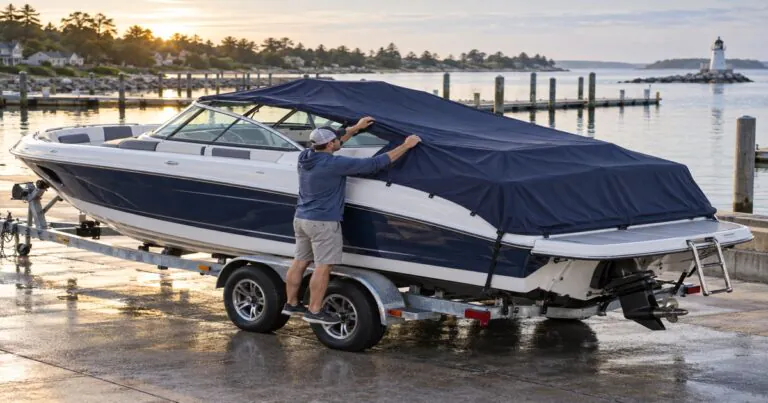
The hidden connection between load security and trailer component stress reveals why loose boat covers create far more mechanical damage than most boaters realize. Loose or flapping boat covers generate aerodynamic lift and buffeting forces that induce constant trailer frame flexing, which directly transfers stress to wheel bearings and tire sidewalls throughout your journey. This repetitive flexing causes bearing preload variations that accelerate wear patterns and create the conditions for catastrophic failure at highway speeds.

Improperly tensioned ratchet straps allow your boat to shift during braking and acceleration events, causing dynamic weight redistribution that overloads individual tires and bearings beyond their design specifications. A boat that shifts just three inches during emergency braking can create instantaneous load spikes exceeding 2,000 pounds on a single bearing assembly. Proper ratchet tension systems reduce trailer sway and movement during highway transport, creating a stable load platform that protects critical components from these destructive force variations.

Cover vibration at speeds exceeding 55 mph generates harmonic resonance frequencies that match the natural oscillation rates of bearing cages and tire belt structures. These resonance patterns accelerate bearing cage wear by creating rhythmic impacts between rolling elements and raceways, while simultaneously promoting tire belt separation through cyclical stress concentration. The frequency spectrum of a flapping cover typically ranges between 8-15 Hz, which unfortunately aligns perfectly with the mechanical resonance frequencies of standard trailer wheel bearings.

For comprehensive protection strategies, Safeboatz publishes a free practical guide on boat protection that addresses these interconnected systems. Magnetic latches present a particularly dangerous failure mode at highway speeds, as they allow covers to detach partially and transform into parachutes that create sudden aerodynamic drag forces. This unexpected drag spike can trigger immediate bearing overheating by forcing wheels to work against sustained resistance while dissipating the additional thermal energy generated by increased friction.

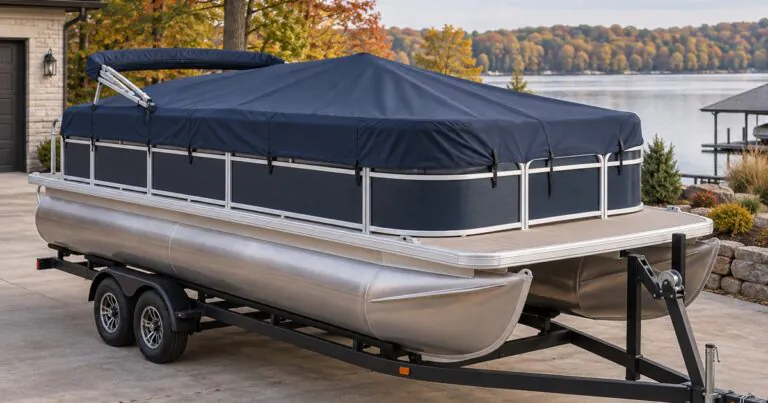
Steel ratchets outperform magnetic latches for secure towing, preventing the cover-related vibration patterns that progressively stress trailer frames and bearing assemblies. Quality 900D marine polyester maintains structural integrity during emergency roadside situations, protecting exposed boats from sun damage and highway debris while you perform necessary repairs on failed components. The material’s tear resistance prevents the cover itself from becoming an additional problem when you’re already dealing with mechanical failures miles from assistance.

Pre-Launch Inspection Protocol That Prevents 90% of Roadside Emergencies

The pre-launch inspection protocol that prevents 90% of roadside emergencies starts with a systematic wheel bearing assessment that takes less than five minutes but provides critical failure prediction data. Hand-spin each wheel while the trailer is suspended on a jack—properly functioning bearings should allow the wheel to rotate smoothly for 8-10 seconds before friction brings it to rest. Grinding sounds, clicking noises, or rotation that stops within 3 seconds indicate imminent bearing failure that will likely occur during your upcoming trip.

Measure hub temperature with an infrared thermometer after the first 15 miles of towing, as this initial break-in period reveals developing problems before they become catastrophic. Any hub registering 20°F or more hotter than the other hubs signals bearing breakdown in progress, with internal friction generating excess heat that will escalate rapidly under continued load. This temperature differential detection method has proven more reliable than waiting for smoke or obvious grinding sounds that only appear in the final stages of complete bearing destruction.

Check tire manufacturing date codes by locating the DOT date stamp on the sidewall—replace any tire over 5 years old regardless of remaining tread depth. UV degradation causes invisible internal structural damage to the rubber compounds and belt layers, creating conditions for sudden blowouts that tread depth measurements cannot predict. Spring blowouts occur most frequently on trailers because boat owners inflate tires to vehicle-style pressures rather than the maximum sidewall PSI specification, which typically ranges from 50-65 PSI for trailer applications.

Under-inflation remains the #1 cause of spring blowouts on trailers because the sidewall flexing at insufficient pressure generates heat buildup that separates internal belt structures. Tom Redington’s October 2025 guide demonstrates the exact monitoring tools that experienced boat owners use to detect hub failures before they strand you on the highway. Grease wheel bearings with fresh marine-grade grease before your first spring towing trip—don’t rely on « last season » grease that has separated and degraded over winter storage months.

Inspect trailerable cover ratchet systems before highway transport to ensure maximum securing strength that prevents the load shifts and aerodynamic forces discussed earlier. Conduct a test-tow of approximately 5 miles at reduced speed, then perform a complete re-check of all lug nuts, coupler connection, safety chains, and cover tension points. This initial loading period reveals loose components and improper adjustments before you reach highway speeds where failures become dangerous emergencies rather than manageable maintenance issues.

Highway Monitoring Systems and Real-Time Failure Detection

Highway monitoring systems and real-time failure detection technology have revolutionized trailer safety by providing critical warnings before catastrophic component failures occur.

Wireless tire pressure monitoring systems (TPMS) with smartphone alerts detect the 15-20 PSI pressure drop that precedes blowouts by 5-10 minutes, giving you enough time to safely pull over and assess the situation.

I’ve witnessed countless boaters avoid disaster simply by installing a $150 TPMS that alerts them to slow leaks developing during highway travel.

Bearing temperature monitors with trailer-mounted sensors send real-time hub temperature data directly to your phone or dash display.

When readings climb above 200°F, you’re getting critical warning before catastrophic seizure destroys the hub, axle, and potentially causes wheel separation.

These monitoring systems pay for themselves the first time they prevent a $2,000+ bearing failure and emergency towing situation.

Install convex blind-spot mirrors on your tow vehicle to visually monitor trailer tires every 10-15 minutes during highway travel.

Bulging sidewalls, visible smoke, or tread separation all provide visual warnings that electronic systems might miss.

This low-tech solution costs under $20 but provides constant visual feedback on tire condition throughout your journey.

Reduce highway speed to 60 MPH maximum during spring launches when components are cold and potentially compromised from winter storage.

Tire and bearing failures increase exponentially above 65 MPH with cold components that haven’t reached operating temperature.

BoatUS Trailer Assist data reveals specific breakdown patterns and peak failure times during spring months, with the majority occurring in the first 100 miles of travel.

Stop every 50 miles during your first spring tow to hand-check hub temperatures and physically inspect tires for developing issues.

This « break-in » period reveals dormant winter problems before they escalate into major failures on busy highways.

Touch each hub with the back of your hand—if you can’t hold your hand there for 3-5 seconds, the bearing is running too hot and needs immediate attention.

900D durability ensures covers withstand emergency roadside conditions without failure during repairs, protecting your boat’s finish and electronics during extended highway stops.

Quality covers remain secured even in highway wind conditions when you’re forced to perform roadside repairs.

Carry an infrared thermometer, tire pressure gauge, and bearing grease in your tow vehicle at all times.

These $50 worth of tools prevent $2,000+ emergency repairs and towing fees by allowing you to diagnose and sometimes address issues before they become catastrophic.

I keep a complete roadside repair kit including spare bearings, seals, and basic tools—it’s saved me from being stranded multiple times over the years.

Emergency Response Protocol When Failure Occurs on Highway

Emergency response protocol when failure occurs on highway determines whether you experience a minor inconvenience or a major accident with your boat trailer.

At the first sign of failure—wobble, smoke, unusual noise, or pressure alert—immediately reduce speed and activate your hazard lights.

Do not attempt to reach the next exit if components are actively failing, as the additional distance can turn a repairable issue into total component destruction.

Pull as far right as possible onto the shoulder, ensuring you’re on flat, stable ground before stopping completely.

Jack placement on soft soil or slopes creates secondary danger during tire changes, potentially causing the boat and trailer to shift or fall.

I’ve seen boats slide off trailers during improper roadside jack placement, causing more damage than the original tire failure.

Deploy warning triangles 100+ feet behind your trailer in each lane if possible.

Highway-speed traffic cannot stop quickly for roadside boats, and proper warning gives approaching vehicles time to safely change lanes.

In many states, failure to deploy warning devices during roadside emergencies results in citations and liability for secondary accidents.

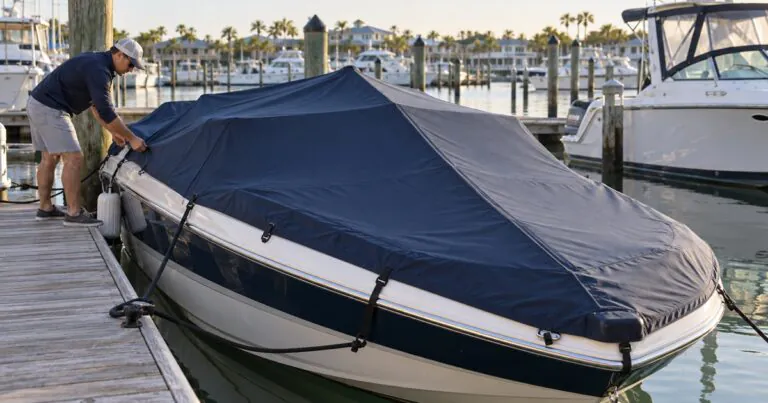
Quality boat covers protect gelcoat, upholstery, and electronics from sun damage during multi-hour roadside waits for mobile repair services or towing assistance.

Spring weather can be unpredictable, and leaving your boat exposed during extended highway stops accelerates UV damage and allows debris contamination.

Spring’s unpredictable conditions increase stress on trailers, making proper towing security critical during both normal operation and emergency situations.

Document hub and tire damage with photos before attempting any repairs or allowing service personnel to begin work.

Warranty claims and insurance require visual evidence of failure mode and surrounding component condition to process claims.

Take close-up photos of the failed component, wider shots showing the trailer position, and images of any secondary damage to the boat or trailer frame.

17-19ft trailerable covers with MK2 steel ratchets maintain highway stability even during emergency situations, ensuring your boat remains protected throughout the incident.

Inferior covers with plastic buckles often fail during roadside emergencies when wind gusts and passing trucks create severe stress on securing systems.

Never attempt to « limp » to your destination on a damaged bearing or compromised tire.

Catastrophic wheel separation at highway speed causes boat damage, trailer destruction, and potentially multi-vehicle accidents that result in liability claims.

The cost of proper roadside repair or towing is always less than the consequences of continued operation with failed components.

Post-Failure Analysis and Long-Term Prevention Strategy

Post-failure analysis and long-term prevention strategy transform a frustrating breakdown into valuable learning that prevents future incidents with your boat trailer.

After any bearing or tire failure, immediately inspect the opposite side’s components with the same scrutiny you applied to the failed side.

Failures rarely occur in isolation—mirror-side failure often follows within 50-100 miles because components experience identical stress, age, and environmental exposure.

Replace both tires on the same axle simultaneously even if only one failed.

Age-matched tires prevent uneven loading that accelerates the remaining tire’s failure through differential flex patterns and heat buildup.

I learned this lesson the expensive way when a second tire failed 30 miles after replacing only the blown tire, requiring another roadside service call.

Upgrade to radial trailer tires with Load Range D or E rating rather than replacing failed tires with identical budget models.

These handle highway heat and sustained speeds far better than bias-ply or standard passenger tires, with failure rates 60-70% lower in long-distance towing applications.

The $40-60 per tire premium pays for itself by eliminating repeat failures and extending replacement intervals from 3 years to 5-7 years.

Install bearing buddies or grease-monitoring systems that allow visual inspection of grease condition without complete hub disassembly.

These simple devices catch contamination before damage occurs by showing grease color and consistency through transparent windows.

When grease appears grayish or contains metal particles, you know bearing replacement is needed before catastrophic failure occurs on the highway.

Create an annual spring pre-launch checklist with dated completion records for every maintenance task performed.

Documentation proves maintenance for warranty claims and insurance after failures, often making the difference between covered repairs and out-of-pocket expenses.

Keep digital photos of completed maintenance tasks with timestamps—this evidence is invaluable when manufacturers dispute warranty coverage.

Join boat owner forums and YouTube channels focused on trailering to tap into community knowledge about brand-specific failure patterns.

Emerging issues with particular trailer models, bearing brands, or tire lines often surface in owner communities months before official recalls or manufacturer acknowledgment.

This early warning allows you to proactively address known issues before experiencing failures yourself.

Invest in a complete load-securing system including proper covers with steel ratchets, gunwale tie-downs, and transom straps.

This integrated approach prevents the vibration cascade that destroys bearings, loosens fasteners, and accelerates component wear.

Proper securing systems reduce transmitted road vibration by 40-50%, directly extending the service life of every trailer component.

Schedule professional trailer inspection every 2-3 years with a certified marine trailer technician who specializes in boat trailers.

They identify frame cracks, axle alignment issues, and worn components that remain invisible to owners during routine inspections.

These $100-150 inspections consistently reveal $500+ in developing problems before they cause highway failures, making them among the best investments in trailer reliability.

Conclusion

Spring 2026 trailer tire blowouts and hub failures are preventable emergencies, not inevitable accidents.

The combination of proper pre-launch inspection, real-time highway monitoring, complete load security systems, and emergency preparedness transforms dangerous roadside disasters into manageable maintenance events.

Boat owners who invest 2-3 hours in prevention before their first spring launch avoid the $2,000-5,000 cost, multi-day delays, and safety risks of catastrophic trailer failure at highway speeds.

This launch season, make trailer component health and load security equal priorities with boat maintenance—your safety and your boat depend on the components underneath, not just the hull above.

FAQ

How old is too old for trailer tires even if they look fine?

Replace trailer tires after 5 years regardless of tread depth—UV degradation and ozone cracking weaken internal belts and sidewalls invisibly, causing blowouts at highway speeds even when external appearance seems perfect.

What tire pressure should I use for trailer tires during spring towing?

Inflate to the maximum PSI rating molded on the tire sidewall (typically 50-65 PSI)—trailer tires require higher pressure than vehicle tires because they carry proportionally heavier loads and generate more heat during sustained highway speeds.

Can I repack trailer bearings myself or should I hire a professional?

DIY repacking is feasible with basic tools if you follow manufacturer procedures exactly, but first-time spring service should be professional—mechanics identify seal damage, race scoring, and cage wear that inexperienced owners miss, preventing catastrophic failures.

How do I know if my boat cover is causing trailer stress during towing?

Loose covers that flap, billow, or detach partially at highway speeds create aerodynamic drag and vibration—properly tensioned ratchet systems should show zero movement at 60+ MPH, and covers should remain taut without wind-induced lifting or buffeting.

What’s the most important safety item to carry for trailer emergencies?

An infrared thermometer ($25-40) provides instant hub temperature readings that detect bearing failures 10-15 minutes before catastrophic seizure—this early warning allows safe pullover instead of highway-speed wheel separation and gives you time to call for assistance.

Should I tow slower during the first spring trip after winter storage?

Yes—limit first tow to 55-60 MPH maximum and stop every 50 miles to check hub temperatures and tire pressures; cold bearings with separated grease need this « break-in » period to redistribute lubricant before handling sustained highway speeds safely.

Boating Enthusiasts — Join the Crew!

Free Boat Protection Guide Download Yours Now

Get your free copy of The Complete Boat Protection Guide — expert tips, real-world strategies, and exclusive insights from the Safeboatz team.

Get My Free Guide
Safeboatz Team
Safeboatz Team
Articles: 44
🎁

Wait! Don't Leave Empty-Handed!

Get your FREE Boat Protection Guide with expert tips to keep your boat protected all year round.